Dangote Refinery Turnaround to Boost Capacity and Stabilize Operations in Nigeria
Nigeria’s Dangote refinery has launched a major turnaround project aimed at improving efficiency, increasing output, and resolving ongoing operational challenges. This strategic maintenance program is expected to strengthen the refinery’s performance and reinforce its position as a key player in global energy markets.
Dangote Refinery Turnaround Begins
The Dangote refinery turnaround marks a critical step in optimizing the facility’s long-term operations. According to company executive Devakumar Edwin, maintenance activities have already started on the refinery’s main gasoline-producing unit, the residue fluid catalytic cracker (RFCC).
This unit will remain offline until late January. In addition, the refinery plans to briefly suspend its crude distillation unit (CDU) for a few days during early 2026. While this temporary shutdown may impact short-term output, it is essential for improving long-term reliability.
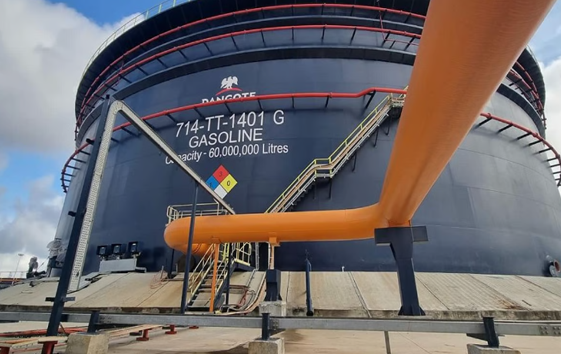
Capacity Expansion to 700,000 Barrels Per Day
One of the main goals of the Dangote refinery turnaround is to increase processing capacity. After completion, the CDU capacity will rise from 650,000 barrels per day to 700,000 barrels per day.
This upgrade will make the refinery one of the largest in the world. It will also allow the Dangote refinery to surpass major global facilities and strengthen Nigeria’s position in the international refining sector.
RFCC Challenges and Gasoline Production
The RFCC unit plays a vital role in gasoline production. However, since operations began in 2024, the unit has faced several technical and design-related issues. These challenges have limited output and created instability in production levels.
The Dangote refinery turnaround aims to resolve these problems. Once completed, the refinery is expected to achieve more consistent gasoline production and reduce disruptions.
Even while the RFCC is offline, the refinery can still produce gasoline through its reformer unit. However, output volumes will be lower. Other units, such as the hydrocracker, will continue operating normally, ensuring stable supplies of diesel and jet fuel.
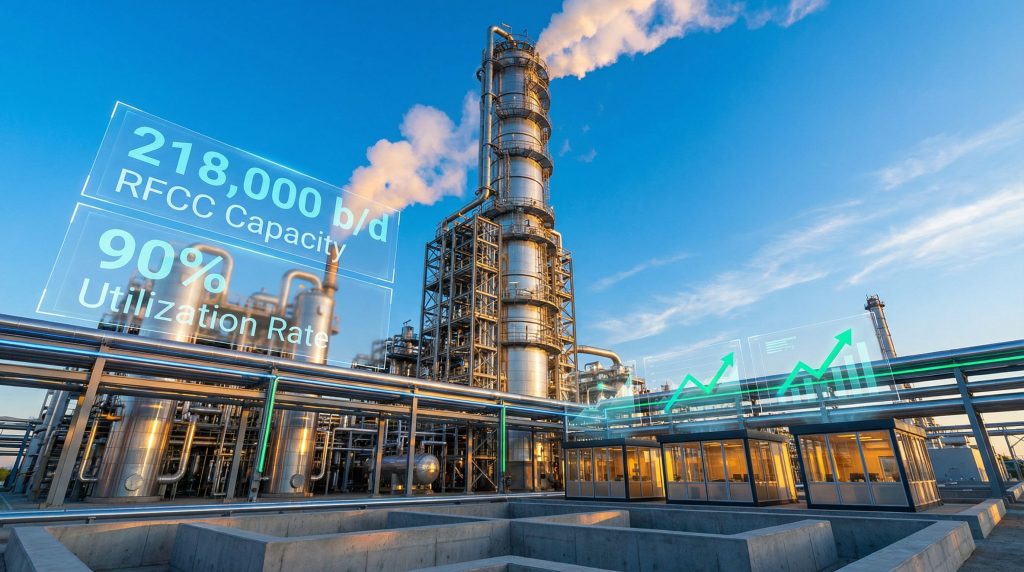
Nigeria’s Fuel Supply and Market Impact
The performance of the Dangote refinery is crucial for Nigeria’s fuel supply. In 2025, the refinery produced an average of 18 million liters of gasoline per day. This is significantly below the planned 35 million liters per day and covers only about 36% of domestic demand.
During periods when the RFCC was not operating, Nigeria’s total gasoline production dropped sharply. Smaller modular refineries contributed to supply, but their combined capacity remains limited.
As a result, the Dangote refinery turnaround is essential for reducing Nigeria’s reliance on fuel imports and stabilizing the domestic market.
Crude Supply Strategy and Imports
Over the past year, the refinery has used a mix of imported and domestic crude oil. A significant portion of its feedstock came from U.S. WTI Midland crude, known for its high gasoline yield.
Recently, however, the refinery has increased its intake of Nigerian crude. At the same time, imports of naphtha and gasoline blending components have also risen. This strategy helps maximize gasoline output, especially during periods of operational disruption.

Impact on Global Trade and Shipping
The Dangote refinery turnaround has already influenced global fuel trade flows. Anticipating reduced Nigerian output, traders have increased gasoline shipments from Europe to West Africa.
This surge in demand has pushed tanker freight rates to multi-month highs. Market activity has also been supported by earlier expectations of fuel policy changes in Nigeria, although some of these measures were later withdrawn.
Overall, the turnaround is not just a local event—it is affecting regional and global energy markets.
Future Expansion Plans
Beyond the current maintenance work, Dangote Group is planning further expansion. The company aims to more than double the refinery’s capacity in the coming years.
A key part of this plan is the construction of a second crude distillation unit. This addition will reduce the risk of full shutdowns and improve operational flexibility.
There are also discussions about adding a vacuum distillation unit (VDU). This would allow the refinery to produce higher-value products such as base oils, bitumen, and vacuum gas oil.
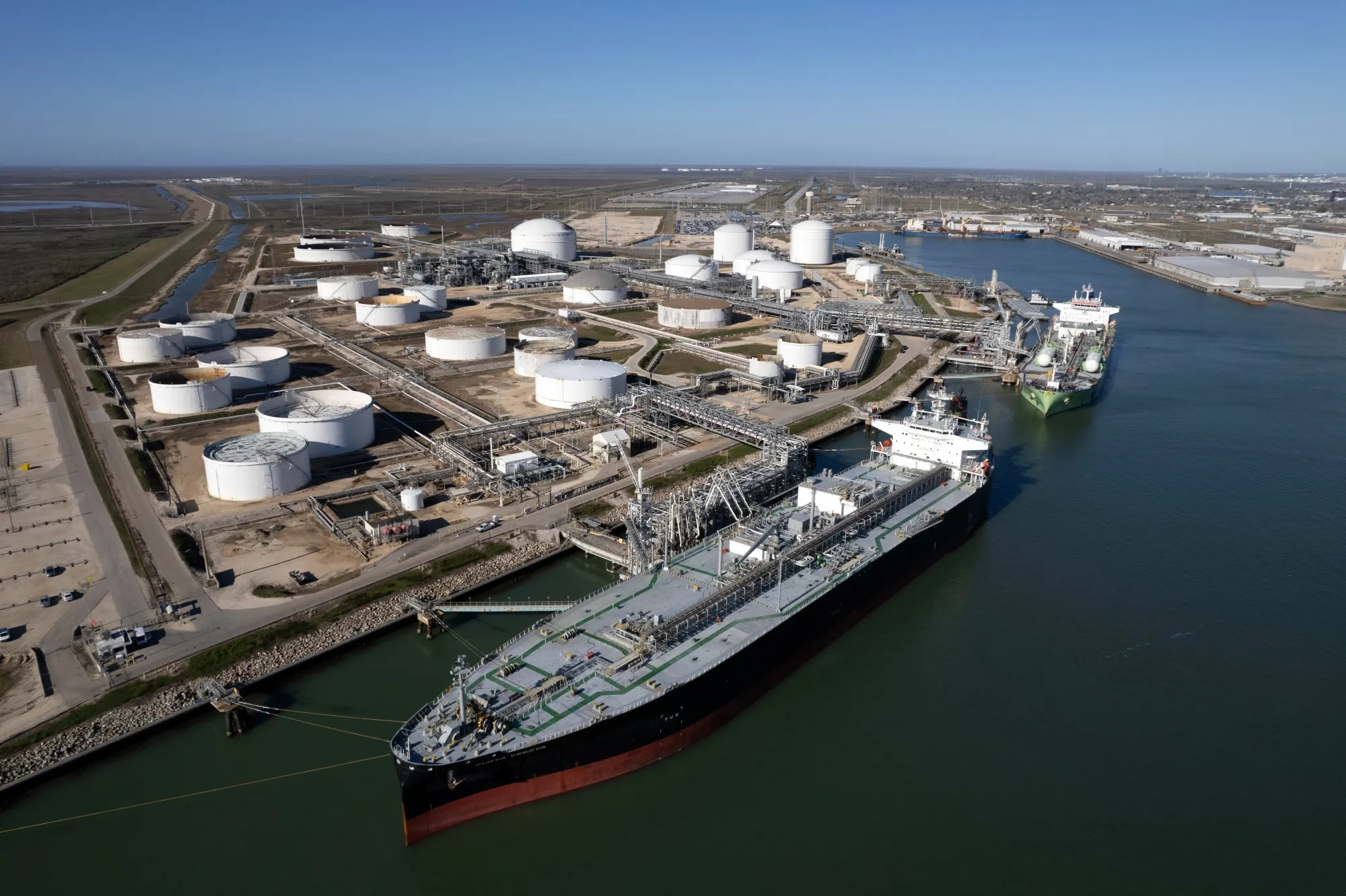
Long-Term Outlook for Dangote Refinery
The Dangote refinery turnaround represents a turning point for the facility. By addressing technical issues and expanding capacity, the refinery is positioning itself for long-term success.
Improved stability will help increase gasoline production, reduce imports, and support Nigeria’s energy security. At the same time, expansion plans will enhance the refinery’s global competitiveness.
As the project progresses, industry stakeholders will closely monitor its impact on supply, pricing, and trade flows.
Conclusion
The Dangote refinery turnaround is a crucial development for Nigeria and the global energy market. While short-term disruptions are expected, the long-term benefits include higher capacity, improved efficiency, and greater market stability.
With continued investment and expansion, the Dangote refinery is set to become a major force in the global refining industry.