Impact of Crude Oil Prices on Bitumen Markets in Africa
The African bitumen market is increasingly sensitive to fluctuations in global crude oil prices. From Nigeria and Kenya to South Africa and Tanzania, contractors, importers, traders, and procurement managers closely monitor Brent crude movements because they directly influence bitumen pricing, freight costs, refinery production, and infrastructure project budgets.
As oil markets remain volatile due to geopolitical tensions, OPEC production policies, shipping disruptions, and global economic uncertainty, African bitumen buyers are facing a more complex sourcing environment. Understanding how crude oil prices affect bitumen markets is now essential for protecting profit margins and ensuring stable supply chains.
For bitumen importers and infrastructure companies across Africa, crude oil is no longer just an energy indicator—it has become a critical factor in procurement strategy, contract planning, and logistics management.

Why Crude Oil Prices Affect Bitumen Markets
Bitumen is a petroleum-based product derived from the refining of crude oil. During the refining process, heavier residual materials are processed into asphalt and paving-grade bitumen. As a result, fluctuations in crude oil prices directly influence refinery economics and bitumen production costs.
When crude oil prices increase:
- Refinery feedstock costs rise
- Bitumen production becomes more expensive
- Freight and bunker fuel costs increase
- CFR prices climb higher
- Infrastructure project costs expand
When crude oil prices decline:
- Refinery costs may ease
- Bitumen offers can become more competitive
- Freight pressure may soften
- Buyers may delay purchases expecting lower prices
However, bitumen pricing does not always move exactly in line with crude oil. Regional supply-demand dynamics, refinery shutdowns, freight disruptions, and seasonal construction demand can also heavily impact prices.

Brent Crude Remains the Main Market Benchmark
Most international bitumen markets follow Brent crude oil as the primary pricing benchmark. African importers closely monitor Brent because many suppliers in the Middle East and Asia use it as a reference for export pricing.
In recent years, Brent crude has experienced significant volatility due to:
- OPEC production cuts
- Middle East geopolitical tensions
- Strait of Hormuz shipping risks
- Red Sea security disruptions
- Global inflation
- Chinese industrial demand
- Sanctions and trade restrictions
When Brent prices move sharply upward, bitumen exporters usually adjust FOB offers quickly. This often creates immediate pressure on African buyers importing cargoes on CFR terms.
For procurement managers, even a $5–10 increase in crude oil prices can significantly affect landed bitumen costs.

Rising Crude Prices Increasing African Bitumen Market
Many African countries depend heavily on imported bitumen because domestic production capacity remains limited. Countries such as Kenya, Uganda, Rwanda, Tanzania, Senegal, Ghana, and South Sudan rely on shipments from major refining hubs in the Middle East and Asia.
As crude oil prices increase, African buyers often face:
- Higher FOB bitumen prices
- Rising ocean freight rates
- Increased insurance costs
- Vessel shortages
- Currency pressure against the US dollar
This situation becomes more challenging when freight disruptions occur simultaneously. For example, geopolitical instability around the Strait of Hormuz or the Red Sea can increase shipping costs substantially, even if crude prices remain stable.
As a result, bitumen importers increasingly seek suppliers capable of offering:
- Stable supply contracts
- Flexible shipment schedules
- Competitive freight solutions
- Prompt communication
- Reliable logistics coordination

Impact on East African Infrastructure Projects
East Africa has become one of the fastest-growing infrastructure markets in Africa. Major road projects in Kenya, Tanzania, Uganda, Ethiopia, and Rwanda are significantly increasing asphalt consumption.
However, rising crude oil prices are also increasing project costs across the region.
Contractors involved in:
- Highway construction
- Airport expansion
- Urban road rehabilitation
- Industrial corridors
- Port access roads
must now allocate larger budgets for asphalt procurement and transportation.
For many projects, bitumen represents a major portion of paving material costs. Therefore, sudden increases in crude oil prices can reduce contractor margins and delay procurement decisions.
This is particularly important for government-funded projects where budgets are fixed long before execution begins.

West African Bitumen Market Facing Additional Pressure
West African countries such as Nigeria, Ghana, Senegal, Ivory Coast, and Sierra Leone are also experiencing stronger pricing pressure linked to crude oil volatility.
In many cases, inland transportation costs amplify the impact of higher crude prices. Trucking expenses increase alongside diesel prices, making delivered asphalt more expensive for contractors located far from ports.
At the same time, seasonal rainfall in parts of West Africa can temporarily reduce construction activity, creating short-term fluctuations in demand.
As a result, many buyers prefer:
- Smaller cargo volumes
- Flexible payment terms
- Staggered shipment schedules
- Regional storage solutions
These strategies help reduce financial exposure during periods of market volatility.
Freight Costs Becoming a Key Pricing Factor
Freight rates now play a larger role in bitumen pricing than ever before. Even when refinery prices remain relatively stable, shipping costs can significantly alter final CFR prices into African ports.
Several factors influence freight markets:
- Bunker fuel costs
- Vessel availability
- Port congestion
- Insurance premiums
- Geopolitical risks
- Seasonal demand cycles
For African buyers, the freight component can represent a substantial percentage of total landed cost.
Countries farther from major refining hubs, such as South Africa, Mozambique, Madagascar, and East African inland markets, often experience stronger freight sensitivity.
This is why many procurement managers increasingly prioritize suppliers with strong logistics expertise and regional shipping experience.

Why Reliable Bitumen Suppliers Matter More During Volatile Oil Markets
In volatile crude oil environments, supplier reliability becomes even more important.
African buyers increasingly look for bitumen suppliers capable of offering:
- Consistent product quality
- Stable pricing mechanisms
- SGS inspection support
- Flexible logistics
- On-time vessel loading
- Fast response times
- Technical documentation
Delays in shipment or quality disputes can create serious operational and financial problems for infrastructure projects.
For this reason, contractors and importers often prefer experienced suppliers with proven export capabilities to African destinations.
Gulf Petro Vision Supporting African Infrastructure Markets
As crude oil volatility continues affecting global bitumen trade, reliable sourcing partnerships are becoming essential for infrastructure companies across Africa.
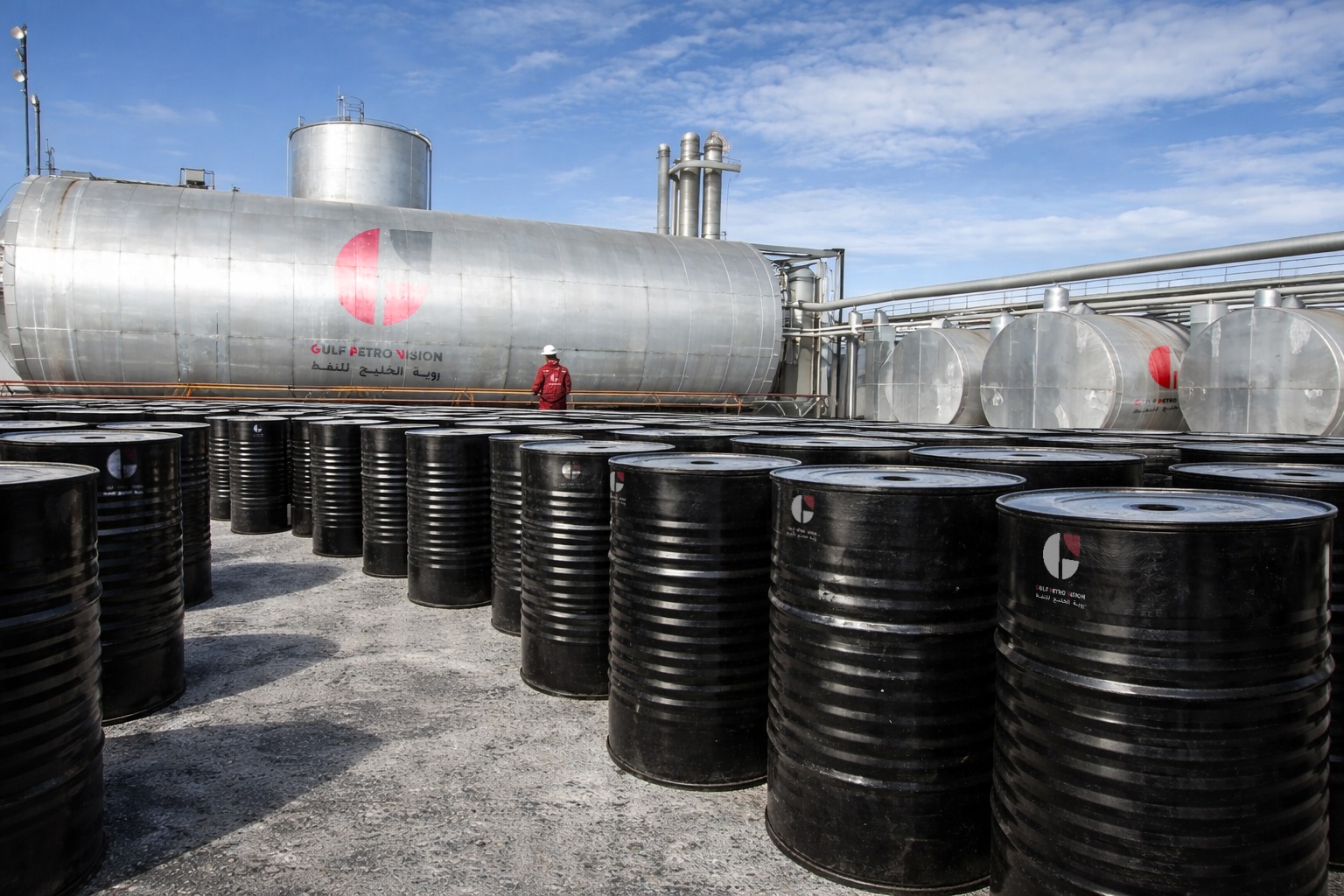
Gulf Petro Vision has positioned itself as an experienced bitumen supplier serving African and East Asian markets with a strong focus on quality assurance, logistics coordination, and dependable delivery performance.
The company supplies various bitumen grades including:
- Penetration Grade Bitumen
- VG Bitumen
- Polymer Modified Bitumen (PMB)
- Bitumen Emulsion
- Cutback Bitumen
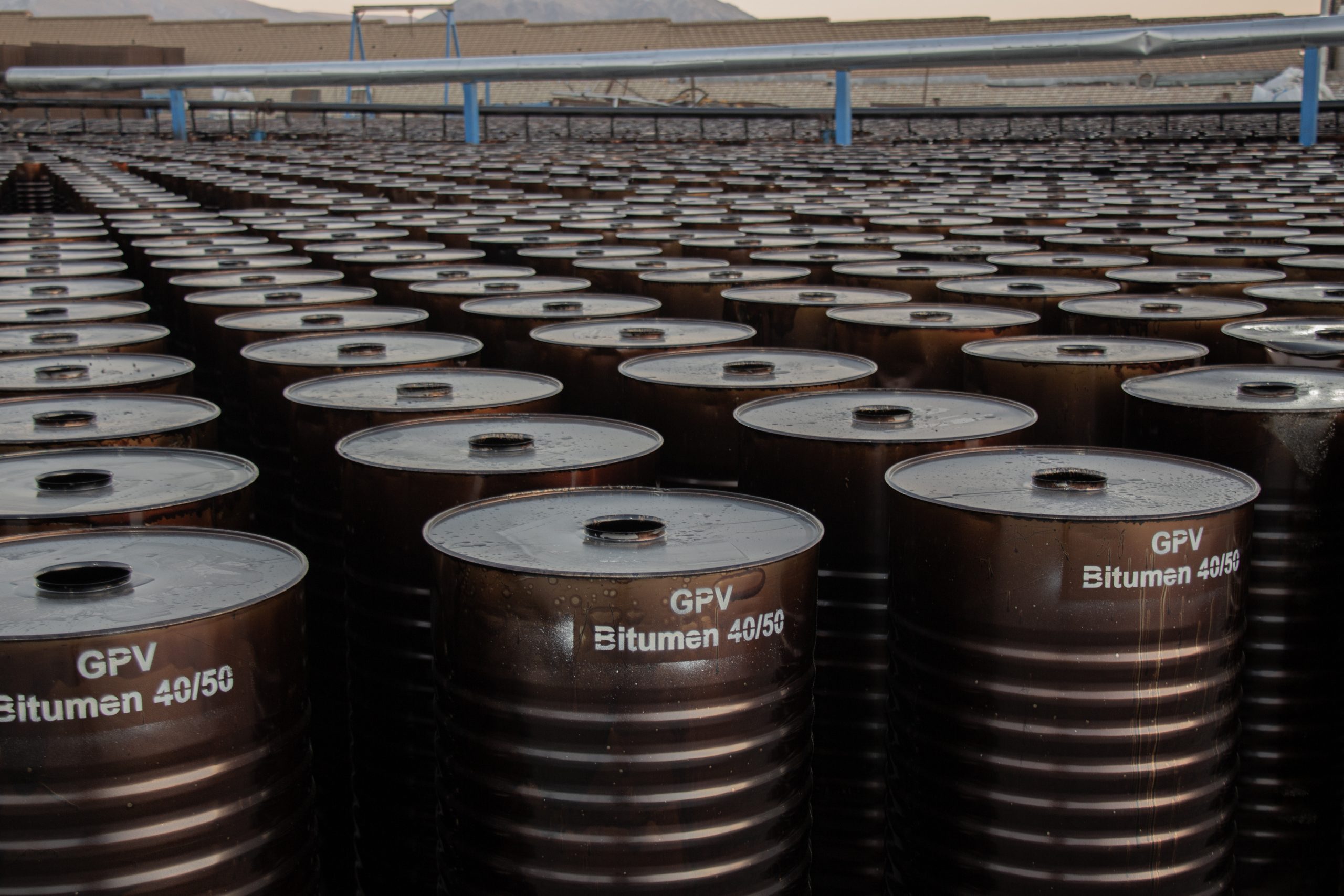
through steel drums, jumbo bags, and bitutainer solutions.
With experience in CFR exports to East Africa, West Africa, and Southern Africa, Gulf Petro Vision supports importers, traders, contractors, and procurement teams seeking reliable supply chains during periods of market volatility.
Future Outlook for African Bitumen Markets
The long-term outlook for African bitumen demand remains positive despite ongoing crude oil volatility.
Infrastructure development across:
- East Africa
- West Africa
- Central Africa
- Southern Africa
continues to support long-term asphalt consumption growth.
Population expansion, urbanization, industrial development, and regional trade integration are expected to sustain demand for roads, highways, airports, and logistics infrastructure.
However, crude oil price fluctuations will likely continue influencing:
- FOB bitumen pricing
- CFR landed costs
- Freight availability
- Project budgeting
- Procurement strategies
For buyers, success in this market increasingly depends on working with reliable suppliers, maintaining flexible procurement strategies, and monitoring global energy markets closely.

Conclusion
Crude oil prices now play a critical role in shaping bitumen markets across Africa. Rising Brent prices, freight volatility, and geopolitical risks are increasing procurement complexity for importers, contractors, and infrastructure developers.
As African infrastructure investment continues growing, buyers must navigate a market influenced not only by local demand but also by global energy dynamics and international shipping conditions.
For bitumen importers and procurement managers, understanding the relationship between crude oil and bitumen pricing is essential for managing costs, protecting project margins, and securing reliable long-term supply.