Citgo Resumes Venezuelan crude imports After Sanctions Lift
Citgo Petroleum has quietly begun purchasing oil from Venezuela, marking a significant turning point after years of sanctions. This move represents the first time the U.S.-based refiner has acquired Venezuelan crude since 2019. The resumption of trade highlights the evolving dynamics between the two nations and the broader energy landscape.
A Historic Shift
For years, Citgo was a primary buyer of Venezuelan oil. However, sanctions imposed during the Trump administration severed those ties, impacting both countries’ economies. The sanctions were a direct response to the political situation in Venezuela and aimed to pressure the Maduro regime. Now, with a change in approach, Citgo is once again accessing a crucial supply source.

The Auction and Control
Citgo’s situation is unique, currently undergoing a court-ordered auction. This process stems from Venezuela’s debt to creditors, with an affiliate of Elliott Investment Management poised to take ownership. The U.S. gaining more control over Venezuelan crude sales has been a key factor in enabling this renewed trade. This control allows for a more regulated and monitored flow of oil.
Refining Capabilities
Citgo’s refineries are particularly well-suited to process Venezuela’s heavy, sour crude. The company possesses the infrastructure and expertise to efficiently refine this type of oil. This makes the resumption of Venezuelan imports a logical step for Citgo, optimizing its refining processes. Readers seeking deeper insights can contact Gulf Petro Vision for industry guidance.
Trafigura’s Role
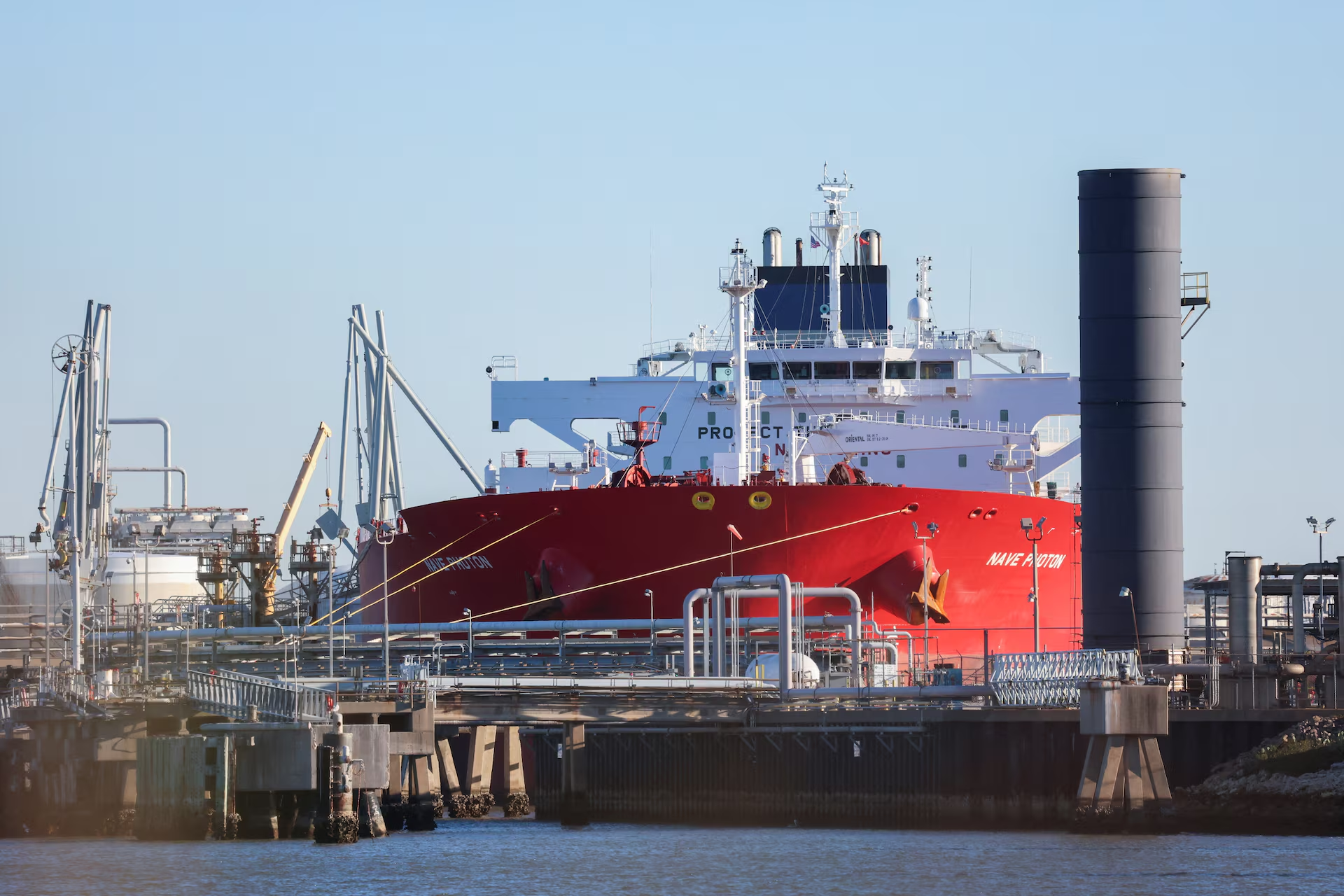
The initial cargo, consisting of 500,000 barrels, was purchased from commodity trader Trafigura. Trafigura is one of two global trading houses authorized by the U.S. Administration to market Venezuelan oil. This arrangement is designed to facilitate a controlled and transparent re-entry of Venezuelan crude into the global market.
Naval Blockade and Accumulated Stockpiles
Prior to the authorization of trading houses like Trafigura and Vitol, a significant amount of Venezuelan crude accumulated in storage. A U.S. naval blockade, initiated in December, prevented vessels from exporting illicit cargoes. This buildup created a substantial supply ready to be released once sanctions eased.
Wider Market Impact
Citgo isn’t the only refiner benefiting from the renewed access to Venezuelan oil. Valero, Phillips 66, Repsol, and Saras refinery have also received shipments. This broader distribution indicates a deliberate effort to stabilize global oil supplies and diversify sources. The move also provides Venezuela with a much-needed revenue stream.

The Future of Supply
The authorization of Vitol and Trafigura has unlocked a significant potential for Venezuelan oil exports. Millions of barrels are now moving to refineries across the Americas and Europe. This increased supply could influence global oil prices and reshape trade patterns. The situation remains fluid, dependent on ongoing political and economic factors.
Looking Ahead with Venezuelan crude imports
The resumption of Citgo’s purchases signals a potential long-term shift in U.S.-Venezuela energy relations. While challenges remain, this development offers a glimpse of a more collaborative future. The ability to access reliable supplies of Venezuelan crude imports is a strategic advantage for Citgo and the U.S. energy sector.