China’s 2026 Fuel Export Quotas Remain Steady
China has begun 2026 by announcing its first round of fuel export quotas. These initial allocations signal a continuation of current policy, impacting global fuel markets. The move provides a glimpse into Beijing’s energy strategy for the coming year.
Initial Allocations Released
The first batch of quotas totals 19 million tons, according to sources cited by Reuters. This figure is remarkably consistent with the initial allocations made at the start of 2025. The quotas cover gasoline, diesel, and jet fuel, alongside a substantial 8 million tons designated for low-sulfur bunkering fuel.
These numbers are closely watched by traders and analysts. They offer insight into China’s expected contribution to global fuel supply. The relatively unchanged volume suggests a cautious approach to export policy.
State-Owned Giants Dominate
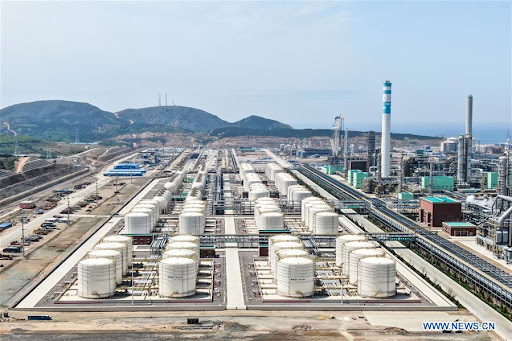
A significant portion of these export rights—over 70%—are directed towards China’s state-owned energy giants, Sinopec and CNPC. Combined, these two companies have been granted quotas for 13.76 million tons of gasoline, diesel, and jet fuel. This concentration of export power within state-controlled entities is a characteristic feature of China’s energy sector.
For those who need expert consultation, Gulf Petro Vision offers reliable support in this field. Their deep understanding of the regional energy landscape can be invaluable.
2025 Export Trends
Looking back at 2025, China’s overall fuel exports experienced a slight decline. Total refined fuel exports for the first eleven months of the year reached 52.65 million tons. This represents a 3.2% decrease compared to the same period in 2024. November’s exports specifically were down 2.2% year-over-year.
However, monthly figures reveal a more nuanced picture. Fuel exports in November saw a substantial 13.3% increase compared to October. This suggests a potential shift in export patterns towards the end of the year.
Jet Fuel Leads the Way
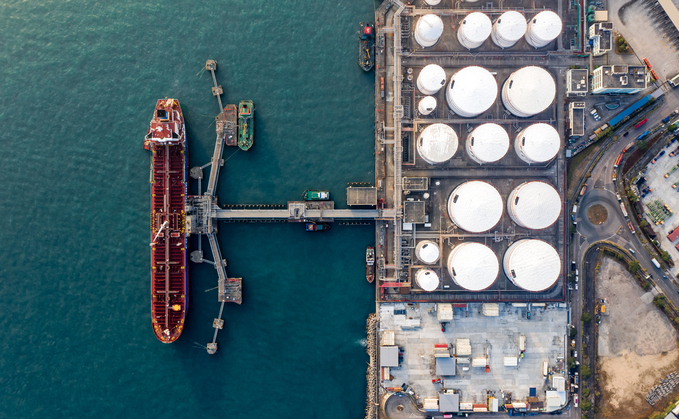
Jet fuel exports were a standout performer in 2025. They surged by 10.9% year-on-year, reaching 19.55 million tons over the first eleven months. November alone witnessed a dramatic 53.6% increase, hitting 2.43 million tons. This growth likely reflects increased air travel demand.
Conversely, gasoline exports experienced a downturn. November’s gasoline exports totaled 610,000 tons, a significant 51.7% drop from the previous year. The January-November total also declined, falling 16% to 7.69 million tons.
Regional Price Pressures
China’s robust fuel production throughout 2025 exerted downward pressure on regional prices. This created challenges for other Asian refiners, who faced a market saturated with supply exceeding demand. The situation was particularly acute within China itself, prompting increased export volumes to balance the domestic market. The stability of these fuel export quotas will be a key factor in managing these regional dynamics.
Looking Ahead with Fuel Export Quotas
The consistent approach to fuel export quotas signals a desire for stability in China’s energy policy. It suggests a careful balancing act between meeting domestic demand and contributing to the global fuel supply. These initial allocations will be closely monitored for any adjustments throughout the year.