Chevron Delivers Venezuelan Crude Amidst US Enforcement
The flow of oil is always a story of permissions and pressures. Chevron is currently delivering Venezuelan crude to U.S. ports, operating under a specific license from the Treasury Department. This is happening while the U.S. government simultaneously increases its efforts to halt unauthorized oil exports from Venezuela.
A Licensed Pathway
Chevron’s continued operations highlight a deliberate strategy by Washington. They are clearly distinguishing between oil moving through approved channels and those attempting to bypass sanctions. Bloomberg recently reported on these deliveries, though specific details regarding volume and timing remain undisclosed.
This isn’t a new situation. Chevron is the sole U.S. oil company currently authorized to produce and export crude from Venezuela. The terms of their license are unique, directing proceeds towards debt repayment rather than providing direct revenue to the Venezuelan government.

Enforcement Intensifies
Outside of Chevron’s licensed activity, the landscape is shifting dramatically. U.S. enforcement actions are disrupting other Venezuelan export routes. Traders are facing mounting legal and logistical hurdles, making it increasingly difficult to move oil.
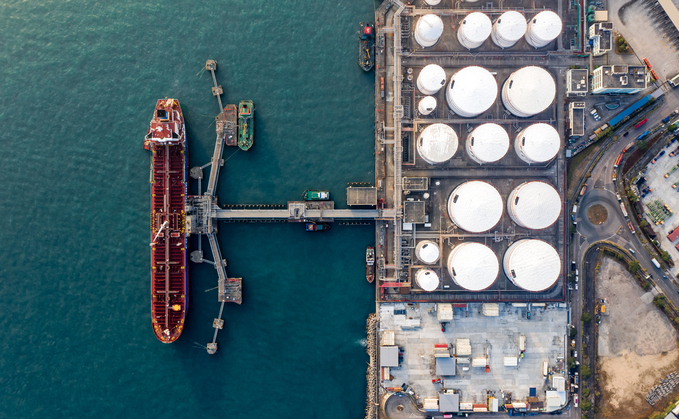
Some $900 million worth of Venezuelan crude is reportedly stranded at sea. Tankers are struggling to find ports, buyers, financing, and insurance. This situation underscores the risks associated with navigating the complex web of sanctions.
Refinery Needs Drive Demand
The U.S. Gulf Coast refineries are a key destination for Chevron’s Venezuelan crude. These refineries are specifically equipped to process heavy, sour crude oil. Finding alternative sources for this type of crude is challenging.
Access to these grades remains vital for complex refiners. Sanctions on other producers with similar crude qualities further limit options. This creates a consistent demand for the oil Chevron is permitted to deliver.
A Delicate Balance
The Trump administration opted for stricter enforcement rather than introducing new sanctions. This approach preserves Chevron’s license while simultaneously clamping down on unauthorized exports. Any alteration to the license terms could have significant consequences.
Venezuelan production levels and refinery sourcing along the Gulf Coast would be directly impacted. The current situation has created a bifurcated market, with licensed barrels flowing freely while unauthorized shipments encounter increasing obstacles. Readers seeking deeper insights can contact Gulf Petro Vision for industry guidance.
The Stranded Fleet
The impact of increased enforcement is visible in the growing number of tankers waiting offshore. Cargoes are experiencing weeks-long delays. Traders are reassessing their legal exposure, and some counterparties are withdrawing from deals.
This uncertainty is creating a ripple effect throughout the oil market. It highlights the challenges of operating in a sanctioned environment. The situation is a stark reminder of the power of U.S. regulatory action.

Looking Ahead
The future of Venezuelan crude shipments remains uncertain. The U.S. government’s approach appears to be one of targeted enforcement. This strategy aims to limit Venezuela’s oil revenue while allowing Chevron to continue its licensed operations. The continued flow of Venezuelan crude shipments through Chevron is a key element of this strategy.
The ongoing tension between enforcement and licensed activity will likely shape the market for the foreseeable future. The ability of Chevron to maintain its operations will be crucial for both U.S. refineries and Venezuela’s oil industry. The complexities surrounding Venezuelan crude shipments demonstrate the intricate interplay of geopolitics and energy markets.