Bitumen Market Overview 20 October 2025
Global Geopolitical Update
Brent crude fell to $\$82-83/\mathrm{bbl}$ after the Gaza ceasefire eased geopolitical tensions and reduced risk premiums. Rising U.S. inventories and OPEC+ production recovery added supply pressure. Weak demand from China’s refining sector accelerated declines in Asian bitumen benchmarks. Overall, markets stayed cautious amid U.S. political and economic uncertainties.
Global Bitumen Market Update
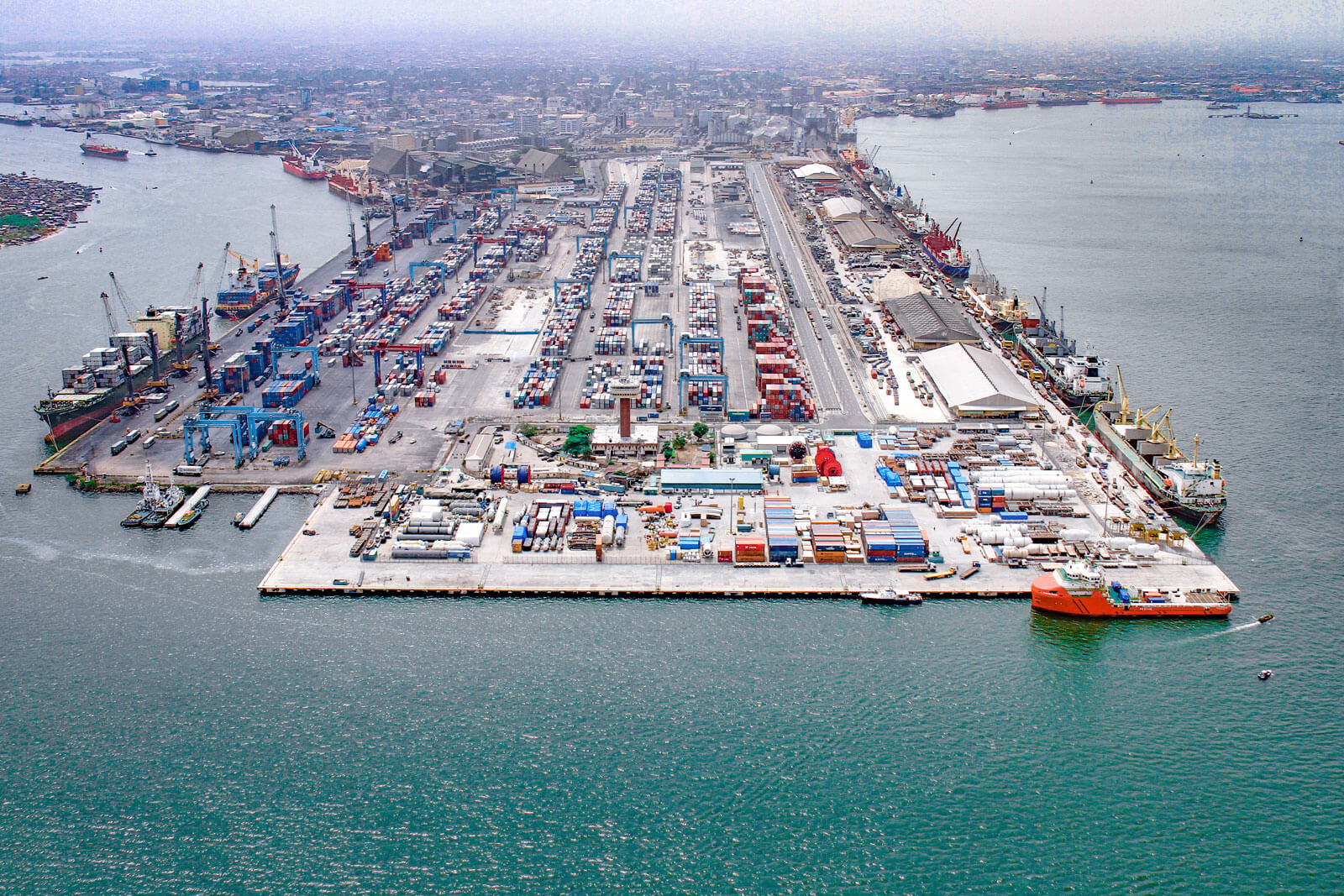
Bitumen prices fell in South Korea and Europe due to lower crude and fuel oil, while Singapore and Iran remained steady. In South Africa, domestic prices surged after the sole refinery stopped production. Bitumen cargo prices to West and East Africa dropped. Singapore exports stayed firm with active Indonesia trades, and Iranian bulk prices remained stable amid weak South Asian demand and ample supply.
East Asia Market Overview
Singapore bitumen export prices remained largely stable. On FTOC, Chemoil offered a $\$400/\mathrm{t}$ cargo for 18-20 Nov loading at $\$406/\mathrm{t}$ FOB Singapore, later reduced to $\$403/\mathrm{t}$, but no deal was made. The gap with South Korean seaborne bitumen widened sharply, with Korean cargoes over $\$30/\mathrm{t}$ cheaper, potentially boosting Southeast Asian exports. Nov offers stayed around $\$400 – 405/\mathrm{t}$ FOB Singapore.
In Malaysia, demand increased after the year-end budget announcement and dry weather. A temporary dip is expected during Diwali. In Indonesia, limited restocking took place this week, but overall demand remains weak, with minimal recovery expected for the remainder of the year due to delayed major year-end small-scale projects.
In Thailand, Domestic consumption rose due to drier weather, with strong demand expected to continue through year-end. Demand in Vietnam remained weak due to persistent rain and limited storage capacity. Typhoon caused severe flooding in northern areas, particularly Hanoi, delaying road construction and repair projects. Domestic bitumen price in China fell due to weak demand and oversupply, with Oct consumption reduced. Imports also dropped, while weak Southeast Asian demand limits exports.

Africa Market Overview
In West Africa, intermittent heavy rains continued to affect several regions, but dry season conditions are expected by month-end, likely boosting road projects and bitumen demand. Bitumen exports from SMB’s Abidjan refinery in Ivory Coast were halted, pressuring regional supply and prices. As rainfall subsides, construction activity is set to strengthen through mid-2023, particularly in Nigeria and Cameroon.
In East Africa, import prices continued to decline, extending the recent significant downward trend, while regional demand remained muted. Lack of government payments to road contractors in Kenya has reduced construction activity and bitumen demand, whereas Uganda remains active. Heavy rainfall across Sudan, Somalia, and Congo (DRC) likely dampened activity levels. Iranian drummed bitumen price for export fell by $\$7-8/\mathrm{ton}$.
In South Africa, truck-delivered bitumen price rose sharply after Natref sold out its remaining stocks, leaving limited bitumen production in late Sep and the country’s entire refinery-based bitumen production effectively came to an end. Meanwhile, additional cargoes are currently en route to the port of Durban.
Middle East Market Overview-Bitumen Price
Bahrain: Price remained at $\$400$ fob Sitra.
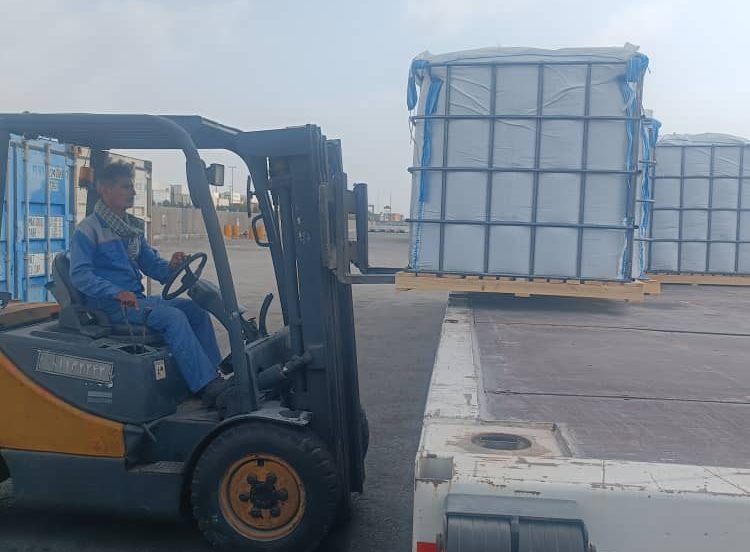
Iran: Bulk bitumen price remained stable, with limited loading bids and offers within a narrow range. Weak demand from South Asia and oversupply continued to pressure spot discussions, while some suppliers were reluctant to lower prices further. Vessel calls to Iranian ports were limited due to sanction concerns, sidelining some Korean and Southeast Asian buyers.
Iraq: Bitumen exports remained sluggish, with supply declining due to limited feedstock availability in Kurdistan and the resumption of crude exports to Turkey, which pushed feedstock prices higher.