Bitumen Transportation
Bitumen, often referred to as asphalt, is a critical material in construction and roofing industries. Its journey from production to end-use involves intricate production techniques, specialized storage and transportation considerations, environmental impacts, and stringent regulatory compliance. This comprehensive guide explores these facets, emphasizing modern packaging and transportation solutions that enhance efficiency and deliver optimal outcomes.
Origin and Production of Bitumen: A Refined Process
Origin: Bitumen is primarily a by-product of crude oil refining. During refining, crude oil is separated into various components. The residual, dense material remaining after the distillation of lighter hydrocarbons is further processed to yield bitumen. Although refining is the primary source, natural bitumen deposits also exist but are less common.
Production Techniques:
- Distillation: The most common method involves heating crude oil to separate components based on their boiling points, with bitumen remaining as the residual product.
- Solvent Extraction: Used with natural bituminous sands, this method employs solvents to extract bitumen from non-bituminous materials.
- Grading: After production, bitumen is graded based on its physical properties such as viscosity and penetration value, ensuring suitability for specific applications.
Storage:
To preserve its quality and facilitate transportation, bitumen is stored in heated tanks that maintain its liquid state.
Transportation of Bitumen:
The viscous nature of bitumen requires specialized transportation methods to maintain its liquid state through controlled heating.
Packaging and Transport Solutions:
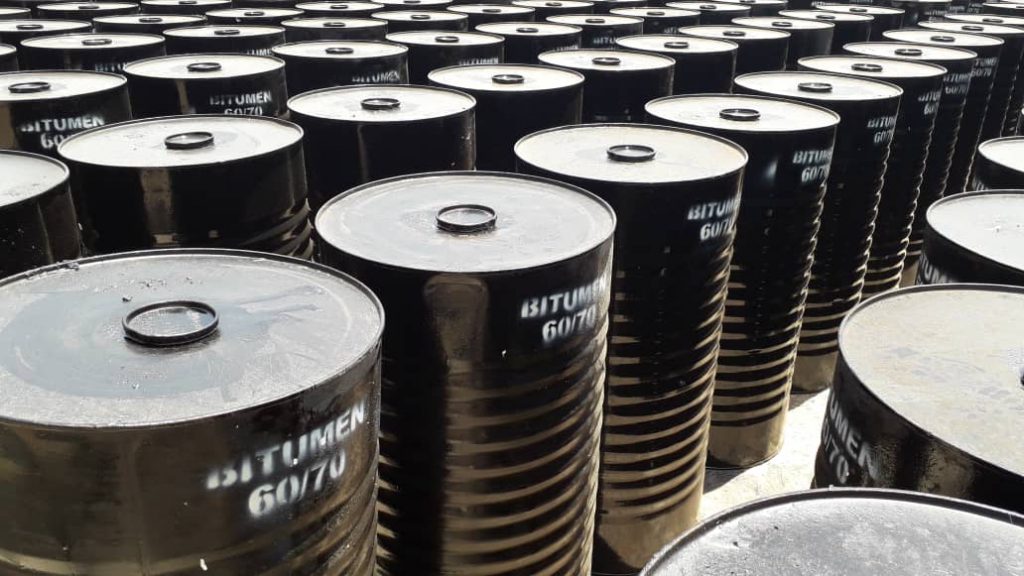
- Steel Drums (180kg): These drums offer precise volume control. A 20-foot container can hold 110 drums without pallets or 80 with pallets. A 40-foot container can hold up to 150 drums without pallets, and 137 with pallets. Proper securement is essential for safe transit.
- Bulk Bitumen Transport: For large-volume needs, bulk transport delivers bitumen directly to storage facilities. Costs vary based on service charges, seasonal demands, and vessel capacity.
- Jumbo Bag Packaging: Jumbo bags are versatile and can accommodate bitumen weights from 300kg to 2 tons. This adaptability optimizes space usage and ensures safe handling.
Conventional Transport Modes:
- Tanker Trucks: Ideal for short-distance transport, these trucks feature insulated compartments and heating systems.
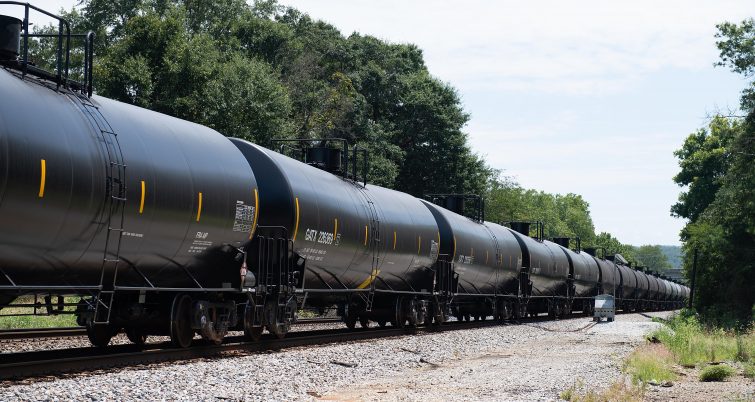
- Rail Tankers: Suitable for long-distance transport, rail tankers are equipped with heating mechanisms.
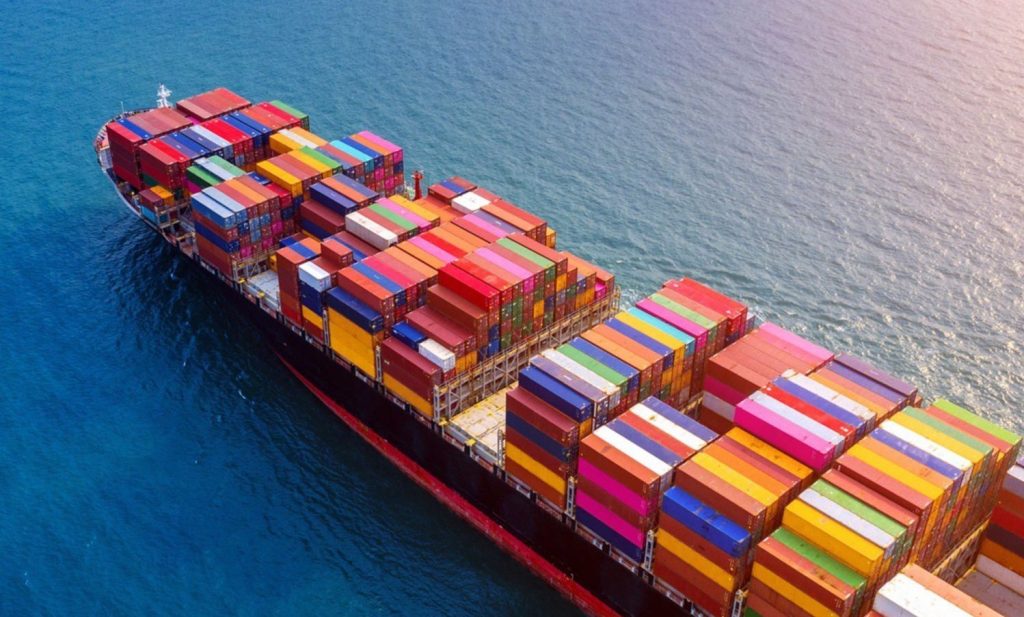
- Marine Vessels: For international shipments, these vessels are fitted with specialized heating systems to minimize heat loss.
Safety, Environmental Impact, and Regulations: Ensuring Responsible Transport
While bitumen is not highly flammable, proper handling is crucial to minimize accidents such as spills. Although its environmental impact is relatively low, transportation methods contribute to the overall carbon footprint. Regulatory compliance is vital, with varying safety and environmental standards across jurisdictions.
Key Challenges in Bitumen Shipping:
Safety Concerns:
- Temperature Control: Bitumen must be transported in a heated state (typically between 150°C and 230°C) to maintain fluidity, requiring precise temperature control.
- Spill Risks: Accidental spills pose environmental risks and can cause severe burn injuries due to the high temperature of bitumen.
- Handling and Equipment: Specialized equipment and trained personnel are essential for safe loading and unloading.
Environmental Concerns:
- Carbon Footprint: Continuous heating during transport results in high energy consumption and contributes to carbon emissions.
- Spill Implications: While less toxic than other hydrocarbons, bitumen spills can harm ecosystems, particularly aquatic environments.
- Resource Consumption: The production and packaging of bitumen contribute to resource consumption.
Regulatory Hurdles:
- International Standards: Various international regulations on safety and environmental protection require careful compliance.
- Transportation Regulations: Strict rules govern vehicles, routes, and operational times for transporting hot bitumen, especially in urban areas.
- Environmental Regulations: Increasingly stringent environmental regulations focus on emissions control and spill response.
Most Effective Methods of Bitumen Transportation: A Comparative Analysis
Tanker Trucks:
- Advantages: Flexible for short distances, quick loading/unloading, and direct delivery.
- Disadvantages: Limited capacity and potential road degradation.

Rail Tankers:
- Advantages: High-volume transport, cost-effective for long distances, and not susceptible to traffic delays.
- Disadvantages: Dependent on rail infrastructure and potential handling during final delivery.
Marine Vessels:
- Advantages: Ideal for large-scale international transport and long distances, offering reduced spill risk with proper infrastructure.
- Disadvantages: Dependence on port infrastructure and longer transit times.
Jumbo Bag Packaging:
- Advantages: Versatile across transport modes, adaptable for container capacity, and reduced spillage risk.
- Disadvantages: Requires specialized handling equipment and may generate waste.
Steel Drum Packaging:
- Advantages: Standardized for logistics and versatile across transport modes.
- Disadvantages: Limited individual capacity and potential handling issues.
Technology Revolutionizing Bitumen Logistics
Technological advancements are enhancing safety, reducing costs, and improving sustainability in bitumen logistics.
Key Technological Innovations:
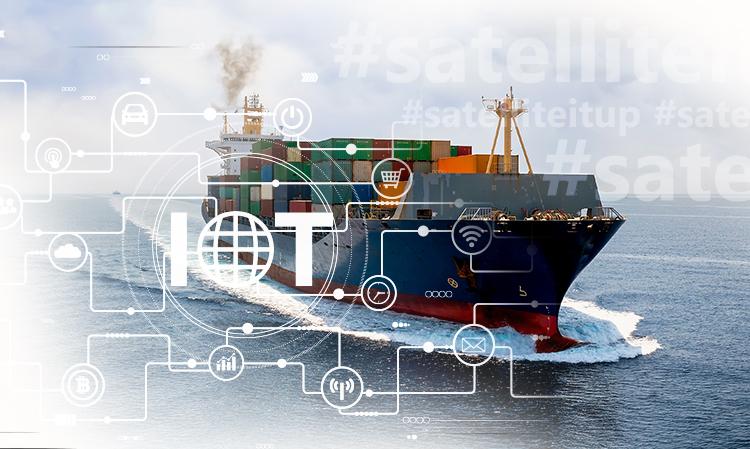
- Advanced Temperature Monitoring: IoT-enabled sensors track bitumen temperature in transit to ensure optimal conditions.
- GPS and Real-Time Tracking: Real-time shipment tracking and route optimization enhance logistics efficiency.
- Automation and Robotics: Automated loading and unloading minimize human intervention and increase safety.
- Blockchain in Supply Chain: Blockchain ensures transparency and accountability through tamper-proof records.
- Predictive Maintenance and Data Analytics: Data-driven insights optimize operations and predict maintenance needs.
Bitumen Storage Solutions: Best Practices for Bulk Buyers
Effective storage is essential to maintain bitumen quality and prevent waste.
Best Storage Practices:
- Storage Tanks: Choose between vertical tanks for better heating and insulation or horizontal tanks for space-limited environments.
- Temperature Control: Use hot oil or electric heating systems to maintain liquid state and prevent heat loss through insulation.
- Safety Measures: Overflow protection and fire safety equipment are critical.
- Regular Cleaning: Prevent sediment buildup and maintain storage tank hygiene.
- Monitoring Systems: Temperature sensors and level gauges help ensure optimal storage conditions.
International Bitumen Shipping: Compliance with Global Standards
International bitumen transport is governed by rigorous regulations to ensure safety, quality, and environmental protection.
Key Compliance Factors:
- IMO Regulations: Adhere to guidelines for transporting heated bitumen, including temperature management and packaging standards.
- Environmental Compliance: Meet emission standards and manage ballast water to prevent aquatic contamination.
- Documentation: Ensure proper documentation, including bills of lading, safety data sheets, and compliance certificates.
The Economics of Bitumen Shipping: A Cost-Benefit Analysis for Bulk Buyers
Shipping bitumen in large volumes presents significant cost considerations. An understanding of these costs is essential for bulk buyers.
Cost Factors in Bitumen Shipping:
- Quantity: Larger shipments reduce per-ton costs.
- Packaging: Steel drums, jumbo bags, and bulk shipping each have distinct costs.
- Route and Distance: Longer routes and high-traffic areas increase costs.
- Insurance and Port Fees: Premiums and port-related fees impact overall shipping costs.
Benefits of Bulk Buying:
- Price Negotiation: Bulk purchases allow for better price negotiations.
- Consistent Supply: Secure a reliable bitumen supply for continuous projects.
- Reduced Handling and Damage: Bulk shipping minimizes handling and product loss.
Conclusion and Future Trends: Navigating the Evolving Landscape of Bitumen Logistics
Bitumen logistics is evolving rapidly, driven by technological innovation, sustainability concerns, and shifting market dynamics. Future trends shaping this sector include:
- Digital Transformation: The integration of IoT, AI, and blockchain will optimize logistics operations, ensuring real-time tracking and enhancing quality assurance.
- Sustainability Initiatives: Energy-efficient solutions and alternative fuel usage will drive greener practices across the industry.
- Customized Packaging: Smart drums and adaptable packaging solutions will cater to diverse market demands.
- Regulatory Harmonization: Standardized global regulations will simplify compliance and improve operational efficiency.
- Infrastructure Development: Emerging markets will develop advanced logistics infrastructure to accommodate growing demand.
In the coming years, bitumen logistics will continue to be shaped by advancements in technology, environmental responsibility, and global market evolution. Adopting innovative solutions will be crucial for industry leaders to stay competitive and meet infrastructure needs sustainably. At Gulf Petro Vision, we are committed to providing the safest and highest-quality bitumen transportation solutions to meet your specific needs. With a focus on efficiency, reliability, and compliance with international standards, we ensure that your bitumen shipments arrive in optimal condition, whether in bulk, steel drums, or jumbo bags. Our logistics network, tracking systems, and temperature-controlled transport methods guarantee secure and timely deliveries, minimizing risks and maximizing operational efficiency for your projects.