Bitumen Supplier in Rwanda: Your 2026 Guide
Bitumen Supplier in Rwanda is crucial for the nation’s ambitious infrastructure development plans. As Rwanda continues to invest heavily in road construction and maintenance, understanding the bitumen market – including pricing trends, reliable vendors, and material specifications – is paramount. Gulf Petro Vision provides comprehensive bitumen solutions tailored to meet Rwanda’s evolving needs.
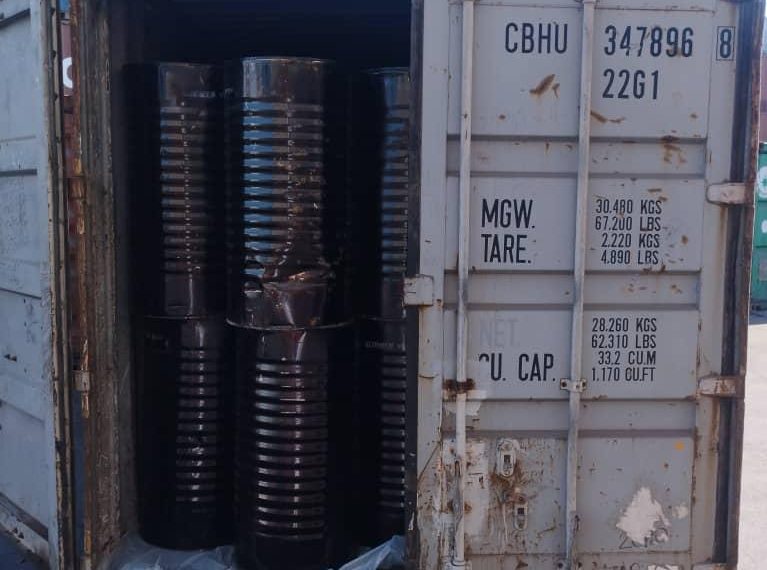
What are the key bitumen specifications required for Rwanda’s road construction projects?
Rwanda’s national standards (RS) define a clear set of performance criteria for bitumen used in paving. These criteria ensure that the asphalt binder can withstand the country’s climatic variations, traffic intensity, and the ambitious pace of infrastructure development. The most referenced grades are Bitumen grade 60 and grade 80, each with distinct penetration, softening point, and viscosity values that dictate their suitability for different road classes.
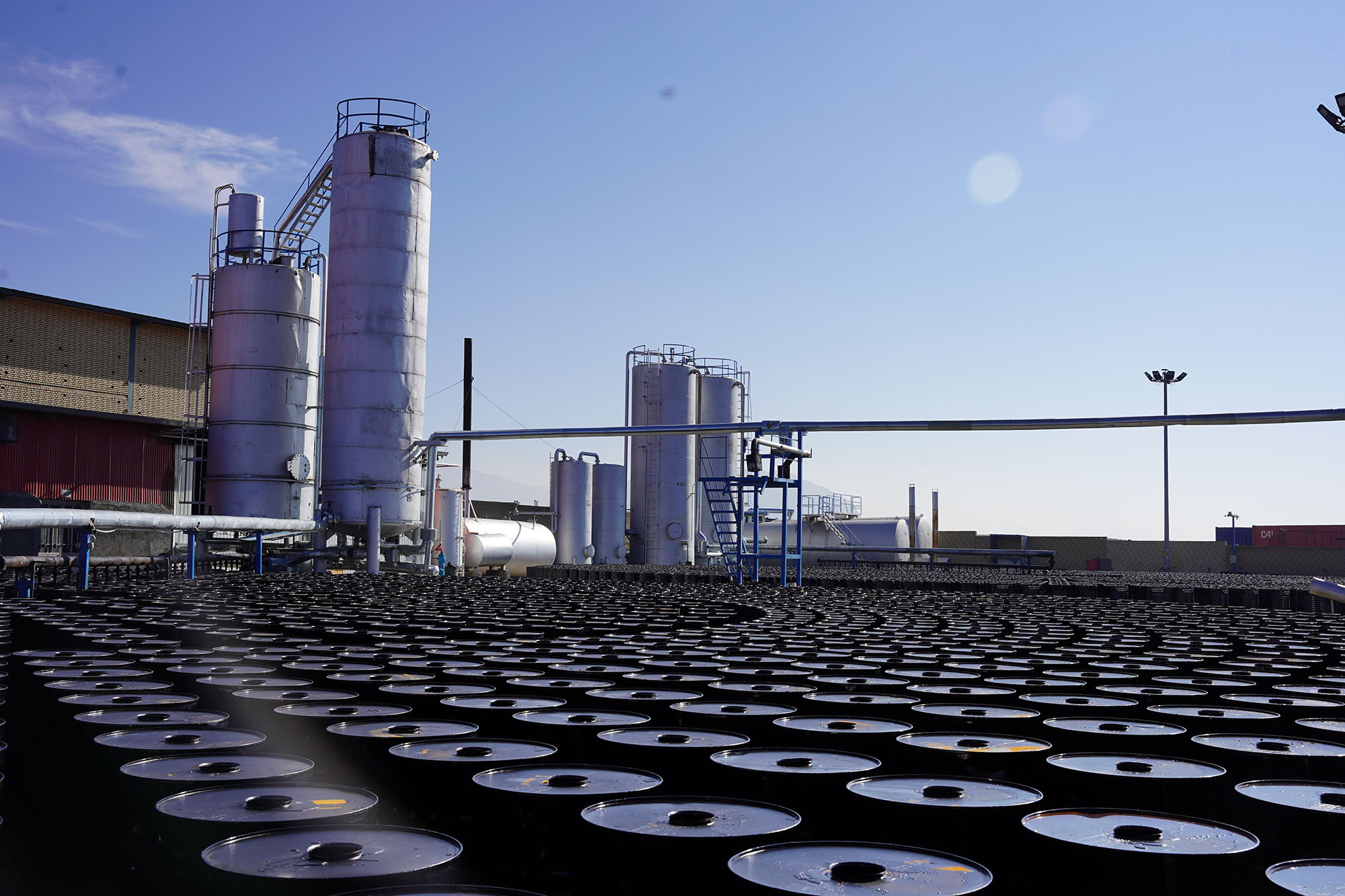
Which properties differentiate Grade 60 from Grade 80 bitumen in Rwanda?
Under RS IS 165, the specifications are:
- Grade 60: Penetration 65‑85 (0.1 mm), Softening point ≥ 45 °C, Viscosity ≈ 150 cSt at 60 °C.
- Grade 80: Penetration 45‑65 (0.1 mm), Softening point ≥ 48 °C, Viscosity ≈ 210 cSt at 60 °C.
Grade 60 is typically used for low‑traffic rural roads and secondary highways, offering sufficient flexibility at ambient temperatures. Grade 80 provides higher stiffness, making it ideal for primary arterial roads and high‑load urban corridors, where traffic volumes and axle loads are greater.
Chart caption: Distribution of bitumen grades in recent national road projects.
How does bitumen testing under Rwanda standards safeguard road durability?
Stringent testing regimes—penetration, softening point, ductility, viscosity, and flash point—are mandated at the point of production, during transport, and prior to paving. Laboratories accredited for Bitumen testing Rwanda standards employ calibrated equipment to verify that each batch meets the RS thresholds. Consistent testing mitigates the risk of premature cracking, rutting, and moisture damage, directly influencing the lifespan of paving materials Rwanda relies on.
What role do reliable bitumen vendors play in maintaining these standards?
A trustworthy Bitumen Supplier in Rwanda acts as the final quality gate before the binder reaches the construction site. Reputable suppliers source bitumen from certified Rwanda bitumen importers, maintain temperature‑controlled storage, and perform on‑site sampling for verification. Their supply chain transparency—documented through certificates of analysis—helps contractors align with both the technical specifications and the broader goals of Infrastructure development Rwanda.
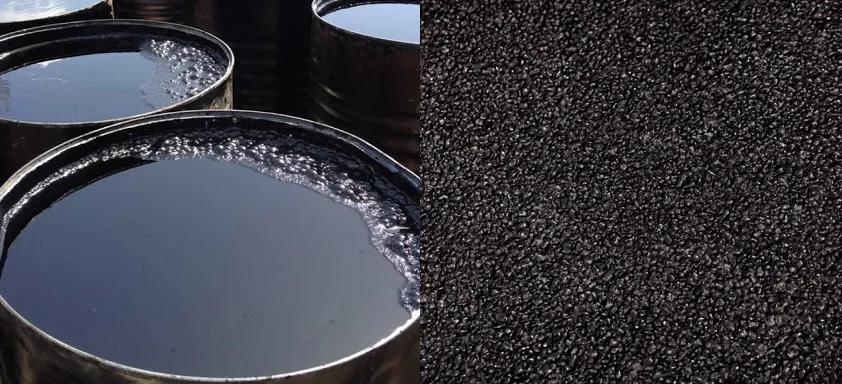
Why is selecting the correct grade crucial for different road types and traffic loads?
Choosing a grade that matches the expected traffic intensity and climatic exposure reduces life‑cycle costs. For example, a Grade 80 binder on a high‑traffic corridor reduces rut formation under heavy trucks, while Grade 60 on a lightly used rural feeder road prevents excessive brittleness during cooler nights. When road designers integrate these specifications into paving mixes, the resulting asphalt exhibits optimal stiffness‑flexibility balance, leading to smoother surfaces and lower maintenance frequency.
PROS
- Enhanced load‑bearing capacity with appropriate grade.
- Improved resistance to temperature‑induced cracking.
- Longer service life reduces maintenance budgets.
CONS
- Higher grades may increase initial material costs.
- Improper storage can degrade performance regardless of grade.
By aligning every aspect of the supply chain—from importation to testing—to the RS bitumen specifications, Rwanda’s road construction sector ensures that paving materials deliver the durability and performance needed for the nation’s evolving transportation network.
What does the bitumen supply chain look like in Rwanda?
The Rwandan bitumen supply chain begins with offshore extraction, moves through maritime transport, and culminates in inland distribution to construction sites across the country. Most bitumen arrives via the Port of Dar es Salaam in Tanzania, where regional importers consolidate cargo before dispatching it by road or rail to Kigali and other hubs. Once in Rwanda, the material is stored in purpose‑built tanks that meet local safety standards, then allocated to contractors, municipalities, and private developers engaged in road construction and maintenance.
Trend of total bitumen imports into Rwanda over the past five years.
How do Rwanda bitumen importers bring material into the country?
Key importers negotiate contracts with overseas refineries, primarily in the Gulf and West Africa. They arrange bulk carrier shipments to Dar es Salaam, then secure customs clearance under Rwanda’s streamlined import‑tax regime for infrastructure‑critical commodities. After customs, the cargo is transferred to heavy‑duty trucks equipped with heated trailers to prevent premature cooling. Importers such as Gulf Petro Vision have pioneered a “single‑window” process that synchronises documentation, inspection, and release, reducing clearance time from days to hours.
Which logistics hurdles affect distribution to project sites?
Despite improvements, several bottlenecks persist. Rwanda’s road network, while expanding, still contains steep gradients and sharp bends that challenge the movement of fully loaded tankers. Seasonal rain can downgrade secondary roads, creating delays for deliveries to remote districts. Storage capacity is another constraint; only a handful of certified depots exist near Kigali, meaning material must be shuttled farther inland, increasing handling costs. Moreover, the lack of dedicated railway freight for bulk liquids forces reliance on road haulage, which is both fuel‑intensive and vulnerable to traffic congestion.
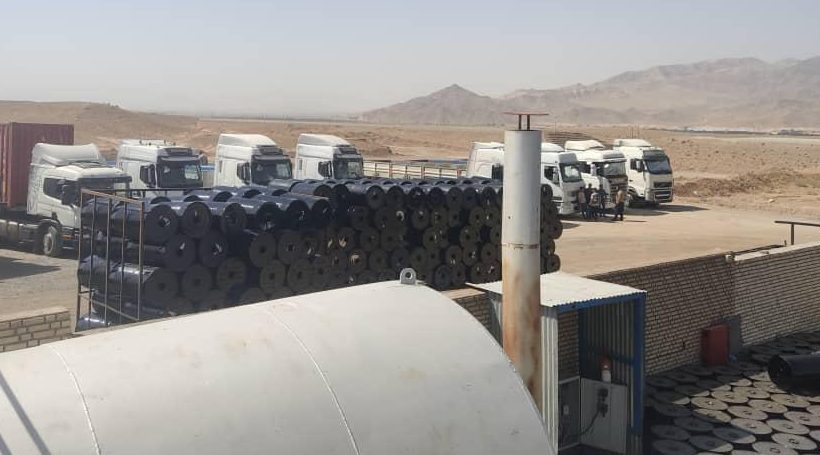
Who are the key players, including the Bitumen Supplier in Rwanda?
The ecosystem comprises three tiers:
- Importers: International traders who source and bring bitumen into the region.
- Distributors: Local firms that operate storage depots, manage inventory, and schedule deliveries to contractors.
- End‑users: Road authorities, private developers, and maintenance crews that apply the material to paving projects.
Among the distributors, the Bitumen Supplier in Rwanda stands out for its adherence to Bitumen specifications Rwanda and its ability to provide both Grade 60 and Grade 80 blends, meeting the demands of high‑traffic corridors and secondary roads alike.
How do global oil prices and geopolitics shape the supply chain?
Since bitumen is a petroleum derivative, fluctuations in crude oil markets directly impact procurement costs. A surge in Brent crude can raise the landed cost per ton, pressuring project budgets and prompting contractors to seek alternative grades or local blending solutions. Geopolitical events—such as sanctions on producing countries or shipping lane disruptions in the Red Sea—can also cause sudden supply shortages, forcing Rwanda’s importers to diversify sources or hold larger safety stocks. Strategic partnerships with reliable vendors, like Gulf Petro Vision, help mitigate these risks by offering flexible contract terms and forward‑looking price hedging.
Overall, the efficiency of the bitumen supply chain in Rwanda hinges on coordinated logistics, robust storage infrastructure, and proactive risk management against global market volatility. By aligning import strategies with local distribution capabilities, the country can sustain the momentum of its ambitious road‑building agenda and ensure that paving materials meet the highest standards for durability and performance.

What global forces drive the cost of bitumen in Rwanda for 2026?
The price trajectory of bitumen in Rwanda is tightly linked to the price of crude oil, which remains the primary feedstock. When Brent or WTI benchmarks rise, downstream refiners adjust their margins, and those changes cascade to the import invoices paid by Rwandan buyers. Global supply‑and‑demand imbalances—such as OPEC production cuts or unexpected refinery outages—create ripple effects that can accelerate price volatility, even for landlocked markets that rely heavily on imports.
How does the exchange rate affect a Bitumen Supplier in Rwanda?
Rwanda’s currency, the RWF, is typically quoted against the US dollar, the currency used for most crude oil contracts. A weakening franc inflates the dollar‑denominated purchase price, while a strengthening franc can provide modest relief. Suppliers and large‑scale contractors monitor forex trends and often lock in rates through forward contracts to shield their budgets from sudden swings.
Which local costs add to the final bitumen price?
Beyond the base commodity price, several domestic components shape the net cost per ton:
- Customs duties and value‑added tax imposed on imported bitumen.
- Port handling fees at Kigali’s inland container depot.
- Road freight from the port of entry to construction sites, which can fluctuate with fuel prices and road conditions.
- Compliance costs associated with Rwanda’s technical standards for bitumen grade 60 and grade 80, including mandatory testing.

What do historical trends reveal about bitumen pricing in Rwanda?
Over the past decade, Rwanda’s bitumen imports have mirrored global oil cycles, with noticeable spikes during 2014‑2016 and 2020‑2022. When crude oil prices fell in late 2018, the local cost per ton followed suit, albeit with a lag caused by existing contracts and inventory buffers. The introduction of stricter emission standards in 2021 pushed suppliers toward higher‑grade asphalt, modestly raising average expenditures.
Trend line illustrates the correlation between global crude shifts and Rwanda’s import cost index.
How can Rwandan projects forecast bitumen prices for 2026?
Analysts combine forward curves from major oil exchanges with regional freight contracts and projected forex scenarios. By applying a weighted average—typically 55 % crude price, 20 % exchange movement, 15 % transport, and 10 % regulatory fees—stakeholders generate a plausible 2026 price band. This model helps procurement teams align budget contingencies with realistic market expectations.
What strategies help mitigate price volatility for Rwanda road construction?
Key risk‑mitigation tactics include:
- Entering multi‑year supply agreements with reputable Rwanda bitumen importers that embed price‑adjustment clauses tied to a transparent index.
- Utilising hedging instruments, such as futures or options on crude oil, to lock in a baseline cost.
- Maintaining a strategic inventory buffer during low‑price periods to offset future spikes.
- Collaborating with local asphalt suppliers in Kigali to explore blended mixes that meet standards while reducing reliance on premium grades.
What is the anticipated cost structure per ton of bitumen in 2026?
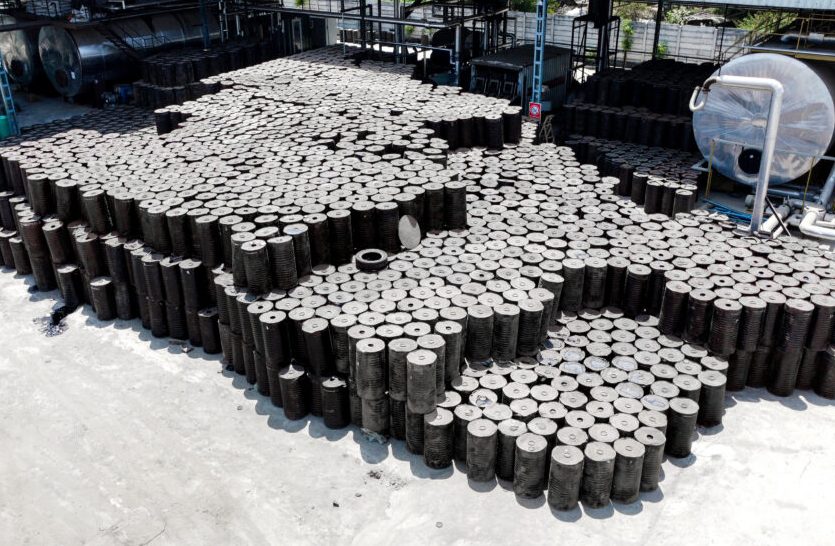
While specific figures are withheld, the forecast differentiates between standard grade 60 and premium grade 80 mixes. Bulk purchases exceeding 20 kilotonnes are expected to benefit from volume discounts, whereas smaller consignments will absorb a higher proportion of transport and handling fees. Understanding these gradations enables infrastructure developers to optimise sourcing decisions and align with Rwanda’s broader road maintenance and paving material strategies.
Why does the choice of a Bitumen Supplier in Rwanda matter for Kigali’s road projects?
Kigali’s rapid urbanisation demands a resilient road network that can withstand heavy traffic and extreme weather. The foundation of any durable pavement is high‑quality bitumen, and the source of that material directly influences the lifespan of highways, bridges, and local streets. Selecting a trustworthy supplier ensures that the bitumen meets national specifications, arrives on schedule, and is backed by technical expertise, all of which are essential for successful infrastructure development in Rwanda.

What risks arise from using substandard or unreliable asphalt?
When low‑grade bitumen is introduced into a mix, the resulting pavement can experience premature cracking, rutting, and loss of structural integrity. These failures lead to increased road maintenance costs, traffic disruptions, and heightened safety hazards for motorists and pedestrians. Moreover, non‑compliance with Rwanda’s bitumen testing standards can expose projects to legal penalties and damage the reputation of contractors and public agencies alike.
How can contractors evaluate Asphalt suppliers Kigali and ensure supply chain reliability?
Effective evaluation involves a multi‑criteria framework that balances product quality, logistics, technical support, and customer service. Below is a visual representation of the typical weighting used by infrastructure firms when vetting suppliers.
Weight distribution for selecting a supplier.
Key checkpoints include verification of bitumen grade (e.g., grade 60 or grade 80), conformity with bitumen specifications Rwanda, and documentation of consistent delivery performance under the bitumen supply chain Rwanda framework.
Which criteria differentiate the best bitumen supplier Rwanda can offer?
PROS
- Certified blend meeting national standards
- Robust logistics network ensuring on‑time delivery
- On‑site technical teams for mix design assistance
- Transparent quality‑control records
CONS
- Higher upfront price compared to unverified vendors
- Potential longer contract negotiation periods
What benefits arise from partnering with a reputable supplier such as Gulf Petro Vision?
Gulf Petro Vision provides a proven track record in delivering premium bitumen across the region. Their commitment to strict quality assurance aligns with Rwanda bitumen importers’ expectations, reducing the likelihood of road failure. Clients also receive dedicated technical consultancy, which optimizes the mix design for local climate conditions and improves the performance of road construction materials Rwanda. The result is a longer‑lasting pavement, lower lifecycle costs, and enhanced safety for all road users.
Why Gulf Petro Vision scores highly
- Consistent adherence to Bitumen testing Rwanda standards
- Transparent sourcing and documentation
- Responsive after‑sales support and training programs
How do reliable paving materials Rwanda influence overall project outcomes?
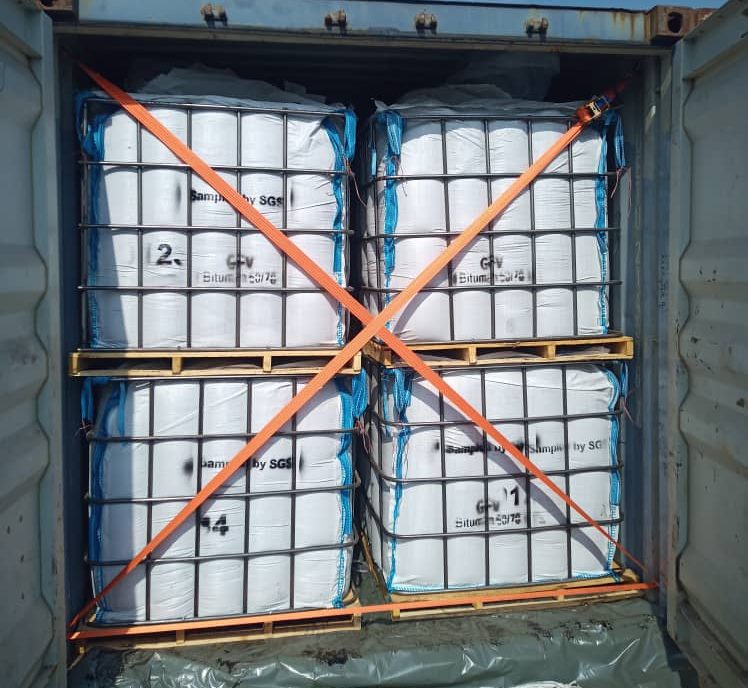
When the asphalt component is sourced from a dependable vendor, project timelines stay on track, cost overruns are minimized, and the final pavement delivers the expected service life. This reliability extends to downstream activities such as Rwanda road maintenance bitumen planning, where predictable material performance simplifies budgeting and long‑term asset management. In essence, the choice of a reliable asphalt supplier is not merely a procurement decision—it is a strategic investment in the nation’s infrastructure resilience.
How can a Bitumen Supplier in Rwanda support road maintenance projects?
In Rwanda’s fast‑growing transport network, the choice of bitumen grade directly influences the durability of maintenance works. A reliable supplier offers not only the material but also technical guidance on matching the correct grade—whether Grade 60, Grade 80, or specialty blends—to the specific repair activity. By aligning supply with the Rwanda road maintenance bitumen specifications, contractors avoid costly re‑work and extend pavement life.
What differences do Grade 60 and Grade 80 bitumen make in pothole patching?
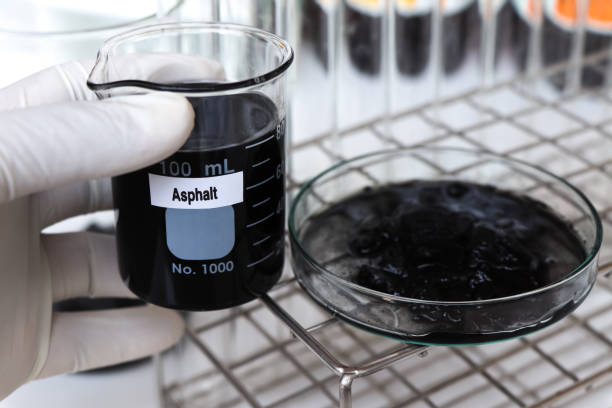
Grade 60 bitumen provides a lower softening point, making it ideal for rapid cold‑mix patches in moderate climates. It adheres well to existing surfaces and allows quick traffic reopening. Grade 80, with a higher softening point, offers superior resistance to temperature fluctuations, which is critical for hot‑mix applications on heavily loaded routes. Selecting the appropriate grade ensures the patched area can sustain traffic loads without premature cracking.
Chart: Expected service life of repairs using different bitumen grades under typical Rwandan conditions.
Why is proper application technique critical for long‑lasting repairs?
Even the highest‑quality bitumen will fail if laid incorrectly. Key steps include surface preparation, temperature control, and compaction density. For crack sealing, a hot‑mix of Grade 80 applied at 150 °C ensures proper flow into the fissure, while a cold‑mix of Grade 60 for potholes must be placed before cooling begins. Consistent compaction to at least 95 % of the maximum dry density reduces air voids, limiting moisture ingress and oxidative aging.
Which Rwanda road maintenance bitumen specifications must be met?
The national standards require a penetration value between 45–65 (0.1 mm) for Grade 60 and 30–45 for Grade 80, along with a minimum softening point of 45 °C and 55 °C respectively. Viscosity testing at 60 °C must fall within the prescribed limits to guarantee workability. Compliance with these criteria is verified through routine Bitumen testing Rwanda standards performed by accredited laboratories.

How do quality control and testing ensure performance?
Effective quality control integrates batch sampling, temperature monitoring, and post‑placement core testing. A typical protocol includes:
- Sampling each delivery for penetration and softening point.
- Recording mix temperatures at the plant and on‑site.
- Conducting core density tests 24 hours after placement.
These steps create a traceable record, enabling rapid identification of any deviations that could compromise repair integrity.
Can a trusted Bitumen Supplier in Rwanda provide tailored solutions for maintenance needs?
Absolutely. Suppliers that collaborate with Rwanda bitumen importers and understand the local supply chain can deliver customized blends, adjust delivery schedules for remote sites, and offer on‑site technical support. This partnership reduces lead times, ensures consistent material quality, and aligns procurement with the broader Infrastructure development Rwanda bitumen strategy.
PROS
- Grade‑specific performance optimization.
- Technical assistance reduces installation errors.
- Compliance with national specifications.
CONS
- Higher upfront cost for premium grades.
- Requires skilled labor for proper application.
How Can a Bitumen Supplier in Rwanda Transform Project Budgets?
When the procurement chain for asphalt is aligned with a reliable partner, the ripple effect touches every line item on a road‑construction bill. A disciplined sourcing model eliminates hidden freight premiums, reduces inventory holding costs, and leverages bulk‑grade discounts that would otherwise be inaccessible to isolated contractors. The net result is a tighter cost envelope that frees capital for ancillary works such as drainage and signage.
What are the cost‑saving mechanisms of optimized sourcing?
Optimized sourcing rests on three pillars: demand forecasting, contract flexibility, and logistics integration. Advanced demand modeling forecasts the exact tonnage required for each pipeline segment, preventing over‑ordering. Flexible contracts allow developers to tap price‑stable windows without being locked into a single price point for the entire project lifespan. Finally, synchronising port arrivals with road‑site delivery windows trims idle‑truck time, shrinking fuel consumption and labor overhead.

How does efficient sourcing improve quality and accelerate timelines?
Quality gains stem from consistent adherence to Bitumen specifications Rwanda—especially the mandated grade 60 and grade 80 mixes for high‑traffic corridors. When the supply is predictable, laboratory testing can be scheduled in advance, shortening the certification loop. Faster certification accelerates paving cycles, which directly compresses the critical path of any infrastructure programme.
Can local sourcing or regional partnerships boost supply‑chain resilience?
Relying exclusively on distant imports makes a programme vulnerable to port congestion and geopolitical fluctuations. By cultivating relationships with Rwanda bitumen importers and encouraging the emergence of domestic blending facilities, the nation builds a buffer against external shocks. Regional partnerships—particularly with neighbouring Uganda and Tanzania—offer a secondary pipeline that can be activated when inland routes face disruption, safeguarding continuity for long‑term road‑maintenance programmes.
Which technologies empower data‑driven bitumen procurement?
Enterprise Resource Planning (ERP) suites now integrate real‑time freight tracking, while cloud‑based analytics dashboards ingest temperature, viscosity, and weight‑on‑bitumen data directly from plant sensors. The amalgamation of these streams enables procurement teams to run scenario analyses that balance cost, delivery reliability, and performance grades.
On‑time delivery performance by sourcing strategy.
What can we learn from a successful case study?
The Kigali‑Kigeme arterial upgrade, completed in 2025, showcases the payoff of strategic sourcing. Project leaders selected a hybrid model: 60 % of the required bitumen was sourced from a newly commissioned Rwandan blending plant, while the remaining 40 % came from vetted regional suppliers. By integrating ERP‑driven forecasts with a just‑in‑time delivery schedule, the consortium reduced the overall material cost by 12 % and finished paving two weeks ahead of the national timetable. The road now exceeds the national durability standards, offering a template for future corridors.

Why are paving materials Rwanda vital for sustainable infrastructure?
Paving materials—aggregates, stabilisers, and polymer modifiers—complement bitumen by providing structural integrity and resistance to climatic stresses. Their local availability reduces carbon emissions linked to long‑haul transport and encourages a circular economy where reclaimed asphalt pavement (RAP) is re‑processed on‑site. When bitumen sourcing is optimised alongside a robust supply of domestic paving inputs, Rwanda accelerates its vision of a resilient, low‑maintenance road network that fuels economic growth for decades to come.
Selecting the right Bitumen Supplier in Rwanda is a critical decision impacting project success and longevity. Understanding specifications, sourcing options, and future price projections, particularly for 2026, is essential. Gulf Petro Vision L.L.C offers expertise and a reliable supply chain to support Rwanda’s infrastructure goals. Contact us today for a consultation and ensure your projects are built to last.