Bitumen price Sudan: 2026 Market Analysis
Bitumen price Sudan is a critical factor for infrastructure development and road construction projects within the country. Understanding current market rates, supply dynamics, and import regulations is essential for effective procurement. Gulf Petro Vision provides detailed insights into Sudan’s bitumen market, offering actionable intelligence for businesses and government entities. This article delivers a data-driven overview of costs, suppliers, and future trends.
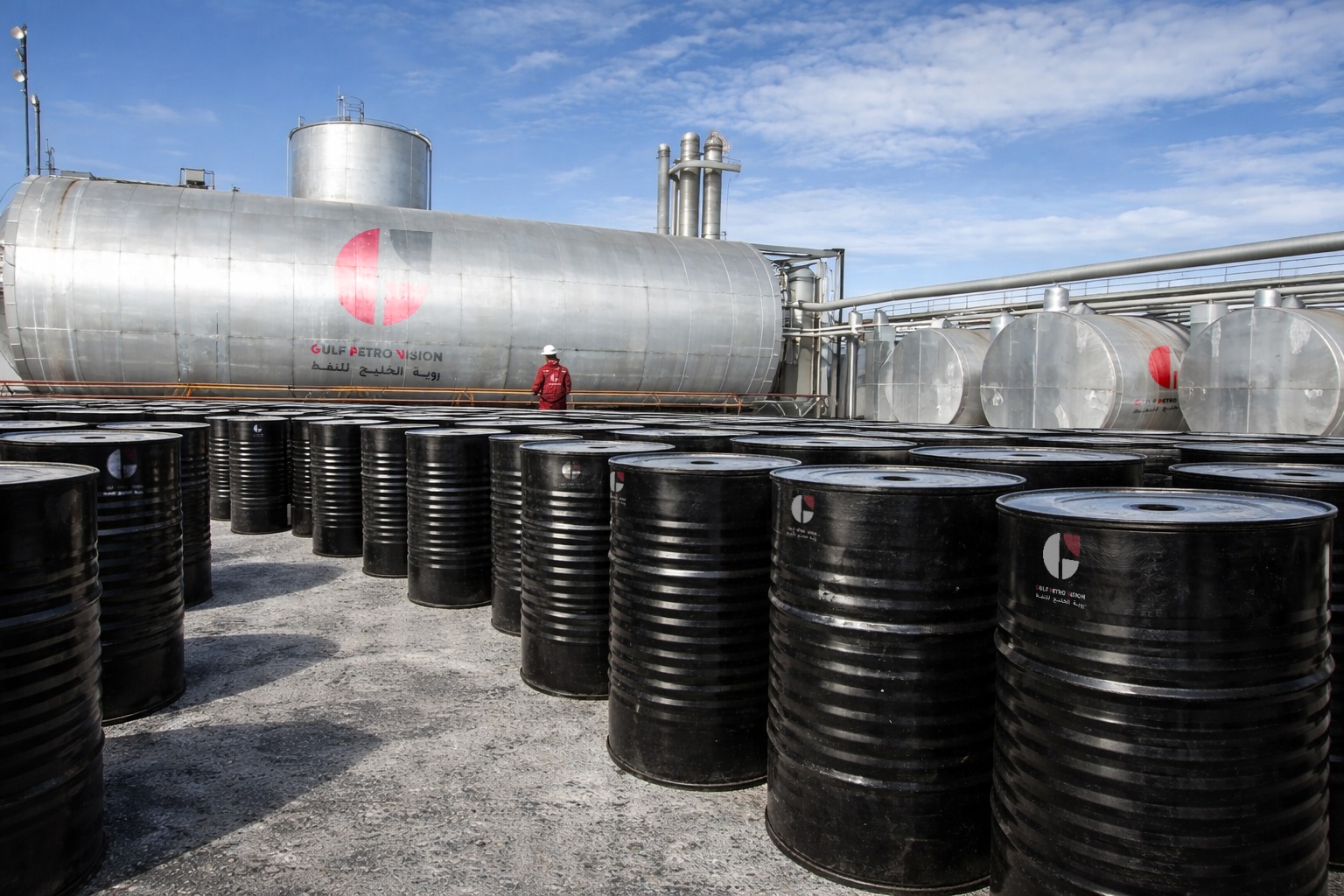
What is driving the Bitumen price Sudan in Khartoum today?
Procurement teams face a complex mix of global and local forces that shape the cost of asphalt in the capital. The latest market dynamics reflect the ripple effect of crude oil benchmarks, the volatility of the USD‑to‑SDG exchange, expanding road‑building programs, and logistical hurdles that together set the tone for current bitumen pricing.
Relative influence of key price drivers in Khartoum.
How do global crude oil trends shape local rates?
Since Sudan imports most of its bitumen feedstock, any swing in Brent or WTI levels directly impacts the base price. When oil futures climb, importers face higher freight‑in costs, prompting a proportional rise in the bitumen prices in Khartoum. Conversely, a dip in global benchmarks can soften the local market, provided that currency pressures do not offset the benefit.
Why does the USD‑SDG exchange matter for procurement?
The Sudanese pound’s depreciation against the U.S. dollar inflates the landed cost of imported bitumen. Even modest exchange‑rate shifts can add several percent to the final invoice, prompting buyers to hedge or negotiate payment terms that mitigate exposure to rapid fluctuations.
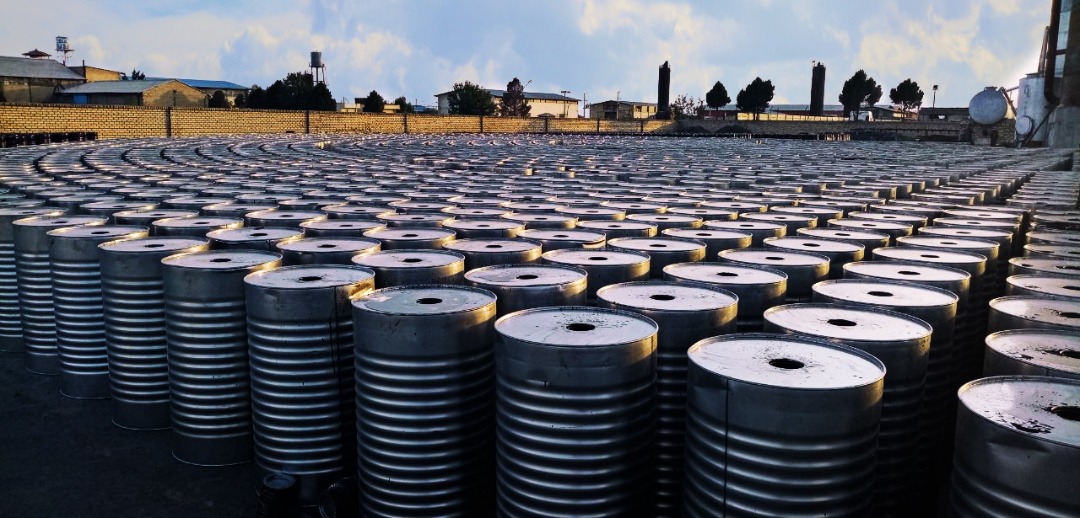
What role do Sudan’s infrastructure projects play?
Large‑scale road construction initiatives, especially those funded by the government or foreign lenders, drive a surge in demand for both 60/70 and 80/100 grades. Higher consumption tightens market balance, nudging suppliers to adjust tariffs and prioritize contracts that guarantee volume.
How do grade differences affect pricing strategies?
Suppliers typically price the higher‑performance 80/100 grade above the 60/70 mix due to stricter specifications and lower yield per batch. The margin reflects processing complexity and the premium placed on durability for heavy‑traffic routes.
Local distributors also tailor their offers based on shipment size, storage capacity, and the prevailing comprehensive bitumen sourcing guide, balancing profitability with competitive positioning.
How does political and economic instability influence rates?
Uncertainty around policy, customs duties, and security can cause abrupt price adjustments. Import duties may be revised with little notice, and supply chain interruptions raise transport costs, both of which add volatility to the bitumen market in Sudan.
Sudan’s road network expansion plans are set to reshape the bitumen market, but the trajectory of supply and pricing hinges on several interconnected variables. This chapter dissects the projected supply landscape through 2026, highlighting import reliance, potential domestic capacity gains, fiscal impacts, and the infrastructural pull.

What will the Bitumen price Sudan landscape look like by 2026?
Demand is forecast to rise by roughly 7 % annually as the government targets 12 000 km of new highways and upgrades to major ports. Supply, however, remains heavily import‑driven, creating a price sensitivity to global market swings and local duty structures. Anticipated net‑import volumes are plotted below.
Projected annual import volumes based on current road‑building schedules.
How dependent is Sudan on imported bitumen and where does it come from?
Over 85 % of the national requirement is sourced from the Middle East, chiefly Saudi Arabia and the United Arab Emirates, with smaller shipments from Russia. The limited refining footprint forces the country to rely on these pipelines and maritime routes, exposing procurement to shipping delays and geopolitical sanctions.
Can local refining expand to meet demand?
The Khartoum refinery’s 60/70 and 80/100 grades operate below capacity due to aging equipment. Recent private‑sector proposals aim to add 40 000 tonnes of batch capacity by 2025, which could shave 10‑15 % off import volumes if financing materializes.

Which duties and taxes shape the final cost?
Import duties sit at 10 % of CIF value, complemented by a 5 % value‑added tax. These levies inflate the landed cost and, consequently, the comprehensive bitumen sourcing guide frequently cites a 15–20 % price uplift relative to global benchmarks.
What infrastructure projects are driving future demand?
Key initiatives include the Eastern Province highway, a 400 km link to Port Sudan, and the Juba‑Khartoum corridor. Each project consumes an estimated 30 000‑40 000 tons of bitumen annually, locking in substantial demand through 2026.
How might price fluctuations evolve with supply‑demand changes?
With imports remaining dominant, any disruption—whether due to regional conflict or shipping bottlenecks—could trigger a 5‑10 % spike in the Bitumen price Sudan metric. Conversely, successful local capacity upgrades and duty reforms could temper volatility, delivering more stable procurement conditions for Sudan bitumen suppliers.

Why are bitumen specifications critical for Sudan road projects?
Roads in Sudan are subjected to extreme temperature swings, heavy freight loads, and occasional sandstorms. Selecting a binder that meets the exact performance criteria is not optional—it is a prerequisite for longevity, safety, and cost‑effectiveness. When specifications are ignored, premature cracking, rutting, and surface‑distress become inevitable, inflating maintenance budgets and jeopardising user safety.
How do common grades like 60/70 and 80/100 match Sudan’s climate?
Sudan’s hot‑dry regions typically employ bitumen 60/70 for surface courses because its lower penetration grade offers sufficient stiffness to resist flow under high temperatures. In contrast, the cooler highlands and heavy‑load arterial highways benefit from bitumen 80/100, which provides a softer, more flexible binder that reduces thermal cracking. The selection matrix can be visualised in the chart below.
Chart: Approximate distribution of bitumen grades across Sudan’s climatic zones.
What Sudanese standards govern asphalt quality?
The Sudan Standardisation Organisation (SSO) references EN 12591 and locally adapted SSO 165‑4 for polymer‑modified and unmodified binders. Key checkpoints include penetration at 25 °C, softening point, ductility, and viscosity at 60 °C. Suppliers must provide a compliance certificate and a batch‑wise test report for every delivery.
How does using the wrong grade impact durability and cost?
Choosing a softer grade for a hot‑dry pavement accelerates polymer oxidation, leading to early rutting and surface raveling. Conversely, an overly stiff binder in cooler zones cracks under thermal contraction, demanding frequent resurfacing. Both scenarios increase the bitumen price Sudan impact linearly—higher maintenance outweighs any initial savings.
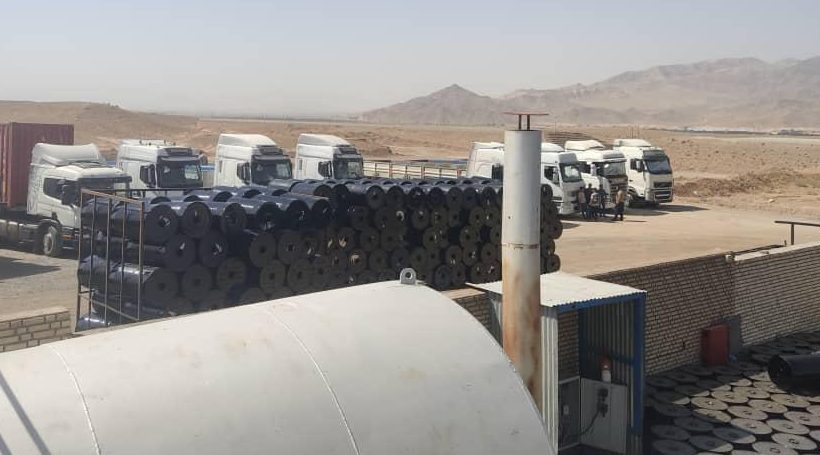
Which factors should buyers assess when selecting a supplier?
Beyond price, evaluate:
- Certification against SSO‑165‑4 or equivalent international standards.
- Track record of consistent batch quality (penetration variance < 5 %).
- Availability of technical support for mix design optimisation.
- Transparent import documentation, especially regarding Sudan bitumen import duties.
For a deeper procurement framework, see the comprehensive guide to Sudan bitumen sourcing, which outlines best‑practice evaluation templates and certification checklists.
How do climate conditions influence long‑term performance?
Sudan’s average summer temperature exceeds 40 °C, pushing binder softening points above 55 °C to avoid flow. Night‑time lows can drop below 10 °C in the north‑west, demanding adequate low‑temperature ductility. Proper specification selection balances these extremes, ensuring that the pavement remains flexible enough to accommodate thermal stresses while retaining sufficient stiffness to resist deformation under traffic loads.
Analyzing the current landscape of Bitumen price Sudan reveals a complex interplay of factors influencing costs and availability. From import duties to projected supply in 2026, informed decision-making is paramount. Gulf Petro Vision L.L.C remains committed to providing transparent market analysis and reliable supply solutions. Contact us today for a tailored quote and expert guidance on your bitumen procurement needs.