Bitumen Penetration Testing: A Complete Guide
Bitumen penetration testing is a fundamental method for characterizing the consistency of bitumen materials, crucial for road construction and various industrial applications. This test determines the depth to which a standard needle penetrates a bitumen sample under specific conditions, providing a vital indicator of its hardness and suitability. At Gulf Petro Vision, we understand the importance of quality control in bitumen supply.
Understanding the variables that influence the bitumen penetration testing process is essential for producing repeatable, trustworthy results. The test, governed by ASTM D5 and EN 1426, is sensitive to a handful of controllable factors that, if mis‑managed, can distort the penetration value and mislead pavement design.
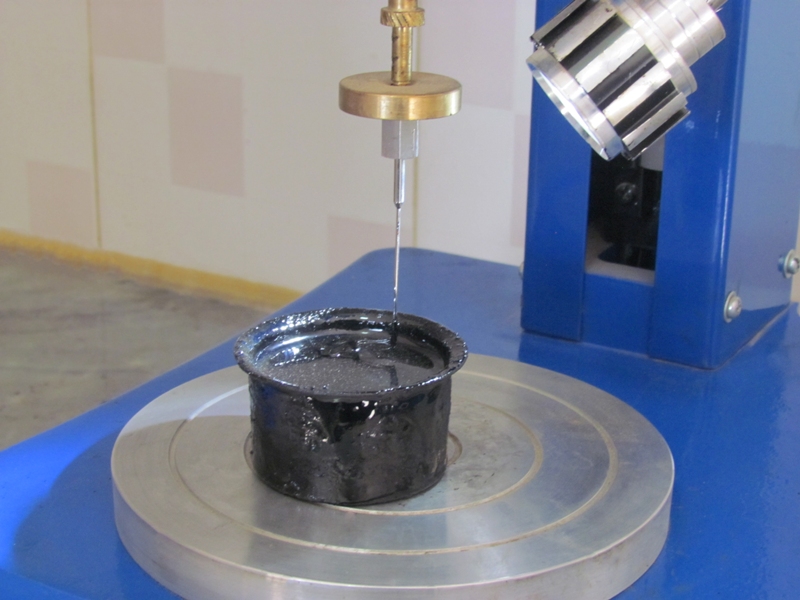
What temperature and loading time conditions affect bitumen penetration testing?
The standard calls for a specimen temperature of 25 °C ± 0.5 °C. Even a 2 °C deviation can shift the penetration result by 5–10 dmm, because bitumen viscosity changes exponentially with temperature. Likewise, the 5‑second loading interval must be strictly timed; a longer load allows additional flow, inflating the measured penetration.
How does sample preparation and bitumen grade impact the penetration test for bitumen?
Uniformity is key. Scraped surfaces, entrapped air, or heterogeneous blends produce erratic readings. Modified bitumen, containing polymer or crumb‑rubber, exhibits shear‑thinning behavior, so the needle may encounter variable resistance. Using the correct grade (e.g., PG 64‑22 versus PG 76‑22) ensures the reference tables match the observed values.
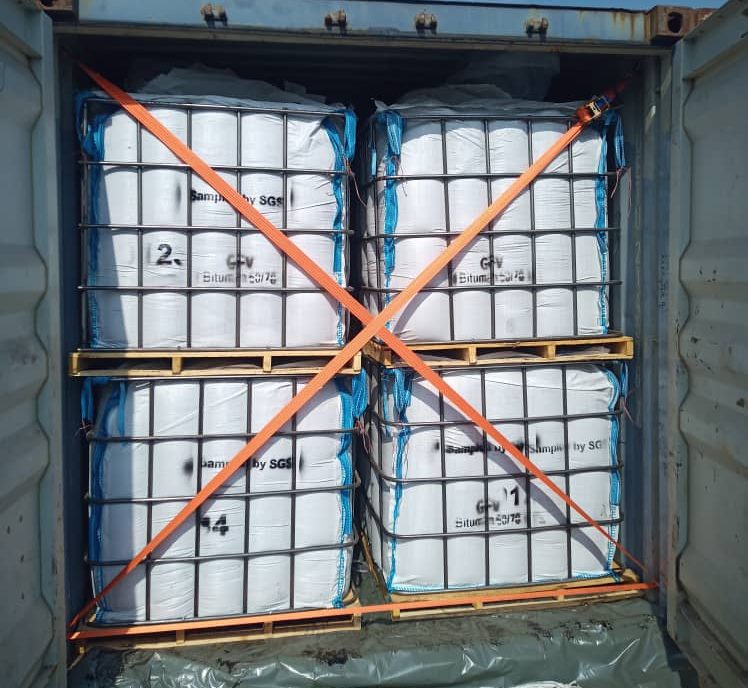
Which common sources of error can compromise the bitumen penetration test accuracy?
Needle geometry tolerances, sample homogeneity, and operator technique are the primary culprits. A worn needle tip effectively reduces the cross‑section, giving a higher penetration value. Inconsistent sample compacting creates density gradients that the needle reads differently across replicates.
Why is equipment calibration critical for reliable bitumen penetration testing?
Regular calibration of the penetration needle, load cell, and temperature bath aligns the apparatus with the official standards. Calibration certificates should be reviewed before each test batch to prevent systematic bias.
Chart illustrates how a ±5 °C temperature shift can alter penetration values.
Real‑world performance correlates clearly: a 20 dmm increase in penetration often translates to a softer binder, which may lead to rutting under heavy traffic, while a lower value improves resistance to deformation but can increase cracking risk. Maintaining strict adherence to the insights on why proper bitumen quality matters for lasting road performance ensures that the penetration test serves as a reliable predictor for pavement durability.
The bitumen penetration test is a cornerstone of bitumen penetration testing for asphalt mixtures, providing a quick index of hardness that guides material selection for durable pavements. Below is a concise, step‑by‑step guide aligned with the most widely accepted standards.
What are the step‑by‑step actions in the bitumen penetration test procedure?
1. Sample preparation: Condition a representative bitumen specimen at 25 °C for at least 1 hour. Trim to a smooth surface to avoid air pockets.
2. Equipment setup: Use a calibrated penetration needle (10 mm length, 0.2 mm diameter) and a thermostatically controlled water bath set to 100 ± 0.5 °C (or 25 °C for softer grades).
3. Loading: Place the specimen in the bath, position the needle vertically, and apply a constant load of 100 g for 5 seconds.
4. Measure penetration depth: Record the distance the needle travels into the bitumen in 0.1 mm units – this is the penetration value.
5. Data recording: Document temperature, load, time, and measured depth on the test log sheet.

Which international standards govern the test?
The primary references are ASTM D5 (USA), EN 1426 (Europe), and regional adaptations such as BS EN 12697‑26 (UK) and IS 383 (India). All prescribe identical loading conditions but may differ in sample size tolerances and reporting formats.
How are different bitumen grades defined by penetration ranges?
Typical penetration values for common grade designations.
Hard grades (e.g., 240–300) are suited to hot climates, while soft grades (≤ 50) are preferred for cold regions. Selecting the appropriate grade directly influences pavement performance, as detailed in understand the impact of bitumen quality on road durability.
Can automated equipment replace manual methods?
Modern penetration testers integrate temperature control, load application, and digital read‑outs, reducing operator bias and improving repeatability. However, manual rigs remain acceptable for field checks where portability is essential.

What quality‑control checks ensure reliable test results?
• Verify calibration of the load cell and temperature sensor before each test batch.
• Run a reference standard (e.g., a 70/100 penetration bitumen) to confirm system accuracy.
• Inspect the needle for wear; replace if the tip shows deformation.
• Ensure specimens are free of moisture and air bubbles.
By adhering to these procedures and standards, engineers can confidently interpret the penetration test for bitumen, ensuring optimal binder selection for road construction projects.
How does bitumen penetration testing influence asphalt performance predictions?
Interpreting bitumen penetration testing results is the first step toward forecasting how a binder will behave under traffic loads and temperature cycles. The penetration value—measured in 0.1 mm units at 25 °C—directly reflects the material’s softness: lower numbers indicate a harder, more viscous bitumen, while higher numbers denote a softer binder. By matching the observed penetration to standard grade limits, engineers can quickly assign a grade (e.g., 40/60, 80/100) and anticipate stiffness, rutting resistance, and low‑temperature cracking potential.
What does the penetration value reveal about bitumen consistency and grade?
The penetration test for bitumen follows a strict bitumen penetration test procedure outlined in ASTM D5 or EN 12591. Results are plotted against the insights on why bitumen quality matters for durable roads, showing the intended grade range. For instance, a 45 0.1 mm reading places the binder in the 40/60 grade, implying moderate stiffness suitable for moderate climates. Deviations outside the permitted band signal either a need for blending or a potential performance issue.
Typical penetration ranges for common grades.
How are modified bitumen and temperature susceptibility evaluated through penetration index?
When polymers are added, the penetration testing of modified bitumen still follows the same equipment, but values shift upward because the polymer imparts flexibility. Engineers calculate the Penetration Index (PI) to gauge temperature susceptibility: a higher PI (close to 0) means the binder’s hardness changes little with temperature, a key attribute for hot‑mix stability. By comparing the PI of a polymer‑modified sample to an unmodified counterpart, one can predict reduced rutting and improved cracking resistance.

Accurate bitumen penetration test results interpretation also aids troubleshooting—identifying premature cracking or excessive rutting—and informs the selection of asphalt penetration testing strategies in pavement design. As data‑driven tools evolve, bitumen penetration testing 2026 will likely incorporate machine‑learning models that predict long‑term performance from a single laboratory result, further tightening quality control for durable roads.
In conclusion, accurate bitumen penetration testing is paramount for ensuring the performance and longevity of asphalt pavements and other bitumen-based products. As we look towards 2026 and beyond, advancements in testing equipment and standardization will continue to refine this critical process. Gulf Petro Vision remains committed to providing high-quality bitumen and supporting informed decision-making through reliable testing data. Contact us today to discuss your bitumen needs.