Bitumen Market Overview 31 August 2025
Global Geopolitical Update
Last week, global focus was on Iran’s talks with Europe regarding the Snapback Mechanism and possible UN sanctions. Meanwhile, President Trump increased import tariffs on Indian goods to 50%, impacting trade. In the Middle East, the Israel-Hamas conflict continues, with Israel considering a Gaza invasion. The Russia-Ukraine war remains unresolved, with ongoing drone strikes affecting energy supplies, while Brent crude prices stayed stable at around $66–68 per barrel.

Global Bitumen Market
Global bitumen prices from Singapore, Iran, and Europe fell as demand stayed weak in key regions, while crude and fuel oil showed little movement. North African demand, especially from Algeria and Morocco, provided some support to Mediterranean exporters. Singaporean bitumen exports dropped further due to poor weather across Southeast Asia. Iranian bulk prices also fell amid low demand and a weaker rial against the USD.
Global Bitumen Market-East Asia Market Overview
Singaporean bitumen export prices fell as demand weakened due to adverse weather in Southeast Asia. Spot cargo negotiations were limited. Suppliers with unsold September cargoes lowered prices, with offers around $420–425 FOB Singapore, and some accepted below $420 to secure sales.
Demand Malaysia is low to moderate due to few new projects and ongoing rainfall. High Singaporean supply has limited imports, but demand may rise with upcoming North–South highway projects. In Indonesia Aug consumption was lower than expected and stable week-on-week. Reduced demand resulted from delayed road tenders and budget-related construction slowdowns.
In Thailand Domestic consumption remained stable, with supply balanced against demand.
In Vietnam Sep cargo negotiations were limited with no deals. Typhoon Kajiki caused floods and infrastructure damage, lowering road bitumen demand and in China
Aug consumption was below normal as buyers avoided stocking amid low growth prospects and delayed project financing.
Global Bitumen Market-Africa Market Overview
West Africa
Rainy season continues to limit roadworks and projects in key regional markets, while cargo prices remain stable. Some areas of Nigeria were drier in late August, but construction activity stayed low during the rainy season, which usually lasts until October or November.
East Africa
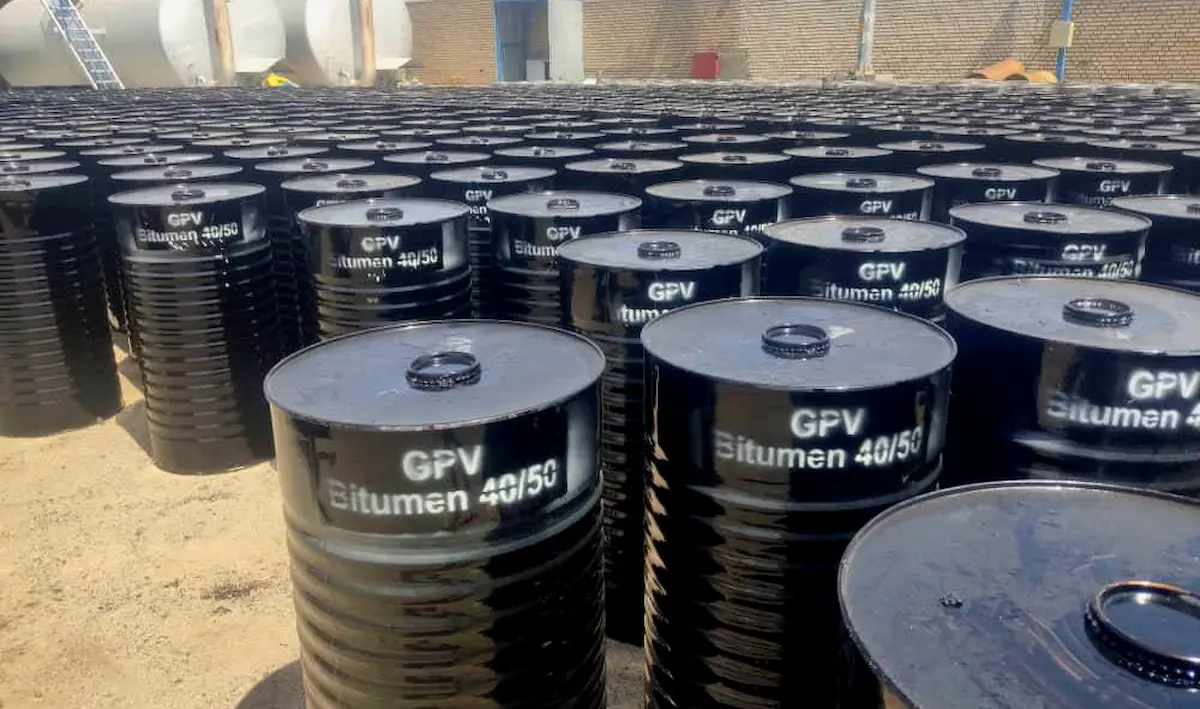
Bitumen import prices at East African ports fell as Iranian export prices for bulk and packaged cargo dropped. Iranian bulk shipments declined by $7 per ton. Regional suppliers are selling remaining stocks, especially in Mombasa, Kenya, to meet strong demand in Kenya, Uganda, and Congo.
South Africa
Fresh bitumen shipments are arriving in South Africa to supply domestic and regional markets. Truck prices have risen slightly. The Sasol-Prax refinery will run a dual production cycle in September, after which domestic production will pause. Imports from Singapore, Turkey, and the Gulf are reaching Durban and Cape Town, ensuring adequate regional supply.

Middle East Market Overview
Bahrain
Listed seaborne bitumen prices remained unchanged at $400/t FOB Sitra.
Iran
Bulk bitumen prices fell under the “snapback” mechanism due to weak demand and the depreciation of the rial against the USD.
Iraq
Suppliers are concerned about shrinking profit margins, as domestic feedstock costs are paid in dinars while sales are priced in US dollars. To offset the dinar’s devaluation, they are forced to set higher FOB export prices.