Bitumen Market Overview 6 October 2025
Global Geopolitical Update
In late September and early October, global energy and geopolitical events affected markets. Trump and Netanyahu announced a Gaza peace plan; U.N. sanctions on Iran were reinstated, pressuring the rial; Ukraine struck Russian oil sites; U.S. government shutdown delayed economic data; and OPEC+ signaled increased supply, causing traders to remain cautious. And the price of Brent crude oil reached $64.

Bitumen market update October 2025
Global bitumen market update October 2025 prices fell across major export hubs—Singapore, South Korea, Iran, and the Mediterranean—due to weak demand and ample supply. In Africa, truck and bulk import prices dropped, though South African demand remained stronger than in West Africa, still affected by the rainy season. Singapore exports softened amid slow demand and high inventories, while Iranian seaborne prices fell due to lower South Asian buying and rial depreciation. Higher VB feedstock prices and limited supply slightly supported the Iranian market.

East Asia Market Overview
Singapore bitumen export prices fell due to weak demand, high regional stocks, and declining FEOS prices. October-loading cargoes were offered at $406-$410/t FOB, but importers in Indonesia and Vietnam largely held back, with most Vietnamese cargoes now shifted to November. Malaysian demand softened in early October due to scattered storms, though stronger consumption is expected later with highway projects and year-end budgets. Overall, oversupply continues to weigh on prices. Bitumen market update October 2025
In Thailand, northern demand remained slow due to rain, while southern regions saw stronger consumption, with domestic refiners limiting production to prioritize local supply. Vietnam’s demand stayed weak amid persistent rainfall, limited storage, and typhoon impacts, with Oct cargo discussions subdued and only a possible recovery in Nov. In China, market activity slowed during the National Day holiday, with weak southern demand and balanced to high supply in the east and south from increased production and inventories, and no rapid post-holiday rebound expected due to funding limits and ongoing reworks.
Middle East Market Overview
Bahrain:
Seaborne activity remained quiet as the local refinery focused on domestic supply and regional tank truck exports, keeping prices steady at $400/t FOB SITRA.
Iran:
Iranian seaborne bitumen prices mostly declined due to weak demand from South Asia and the depreciation of the Iranian rial against the US dollar, although higher Vacuum Bottom (VB) feedstock prices and limited supply provided some market support. Buyers remained price-cautious and largely on the sidelines while assessing new logistical and financial challenges following the reinstatement of UN sanctions. Buyers purchased drummed cargoes across a wider price range.
Iraq:
Iraqi bitumen export prices rose after Kurdish crude oil exports to Turkey resumed on 27 September, with 180,000–190,000 b/d allocated for export on SOMO and 50,000 b/d reserved for domestic use in Kurdistan.
Africa Market Overview
West Africa:
A sharp decline in crude and HSFO prices during the week ending 3 Oct revised the previous week’s gains, pushing bitumen cargo prices lower. Persistent wet weather, particularly in Nigeria, continued to limit road construction activity and reduce terminal truck offtake from local terminals and depots.
East Africa:
East African bitumen import prices edged lower following a drop in Iranian drummed and bulk exports, driven by weaker South Asian demand and the depreciation of the Iranian rial. Partial support came from higher VB prices and limited domestic supply in Iran. Iranian drummed and bulk bitumen prices fell by $60 and $10/t ($10/t) BND, meanwhile, construction activity in Kenya contracted sharply in September.
South Africa:
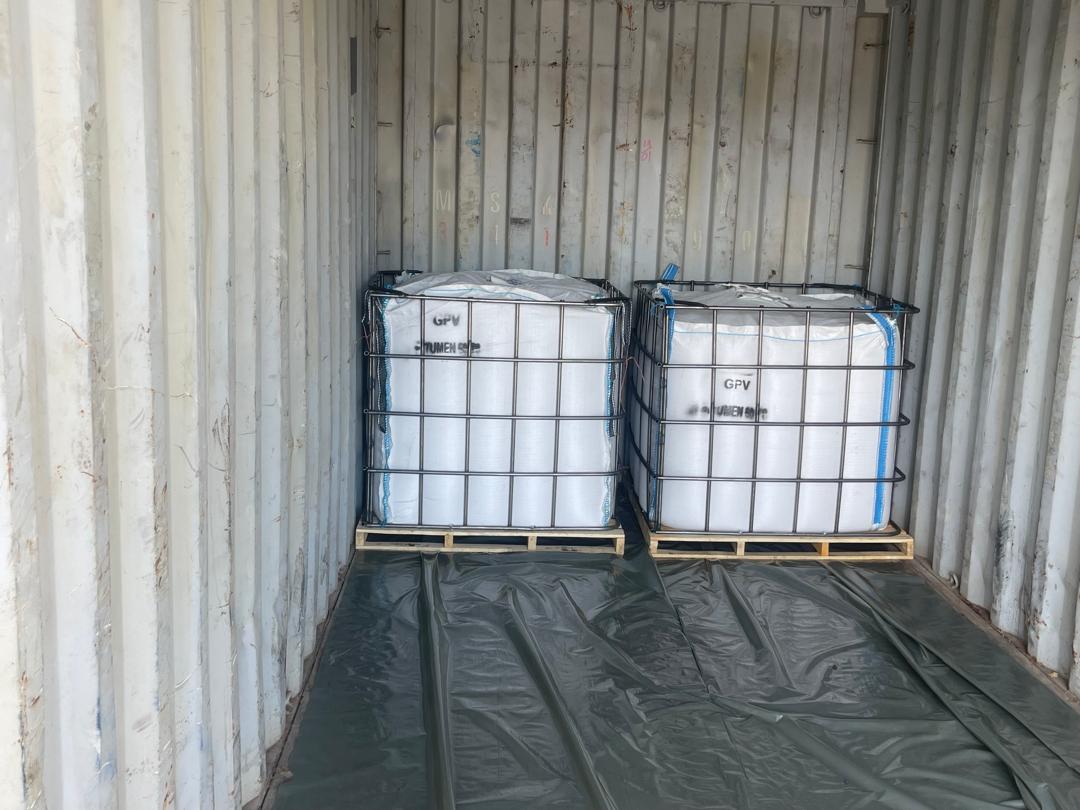
In early October, Natref refinery delivered its final bitumen ahead of a production halt. From mid-October, Southern Africa will rely entirely on imported bitumen via bulk shipments to Durban and Cape Town, and drummed or bitutainer supplies from the Gulf. Construction activity remained strong, picking up with spring in September.