Bitumen Import Sudan: A 2026 Guide
Bitumen import Sudan is crucial for the nation’s expanding infrastructure, particularly its road construction projects. As Sudan embarks on significant development initiatives, understanding the import regulations, costs, and sourcing options is paramount. Gulf Petro Vision L.L.C provides expert guidance and reliable bitumen supply to support these endeavors, ensuring smooth project execution.
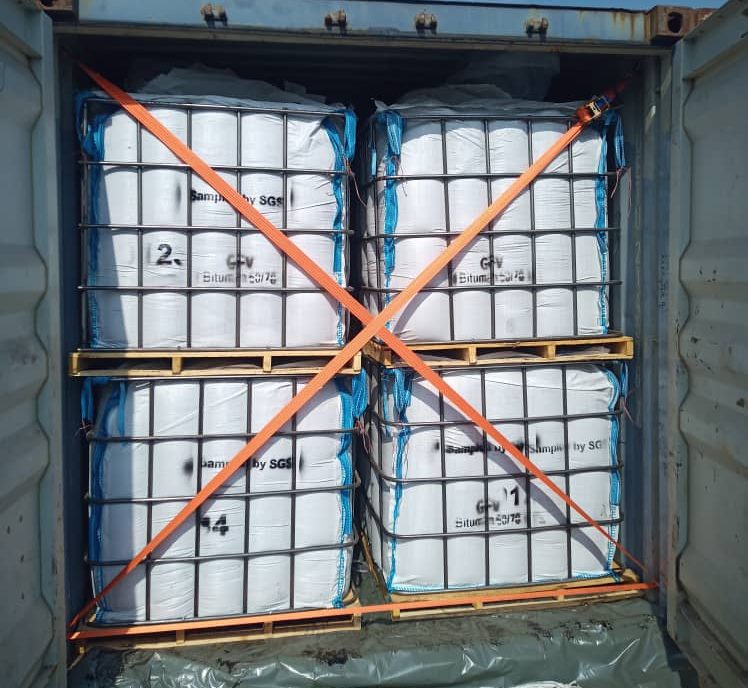
What are the latest regulations governing Bitumen import Sudan in 2026?
Since the 2024 trade reform, Sudan’s Ministry of Finance and the Sudanese Standards and Metrology Organization (SSMO) have aligned import requirements with the African Continental Free Trade Area (AfCFTA). By 2026, the Bitumen import Sudan framework mandates a valid import licence, a Certificate of Origin issued by the exporting country’s chamber of commerce, and a quality control report (ISO 9001‑compliant) verified by an accredited laboratory. The Ministry of Transport also requires a pre‑shipment inspection certificate confirming the grade (e.g., 80/100 penetration for road construction or 60/70 for waterproofing).
Which Sudanese agencies must I engage during the import process?
The key bodies are:
- Customs Authority – handles clearance, duty assessment, and release.
- SSMO – verifies specifications and issues the Bitumen Quality Certificate.
- Ministry of Finance – approves the import licence and sets the duty rate (currently 12% for bulk, with a possible 2% reduction for projects linked to national road development).
- National Oil and Gas Corporation (NOGC) – oversees strategic stockpiles and may request additional reporting for volumes exceeding 5,000 tons.
How do I complete the step‑by‑step Bitumen import Sudan procedures?
- Submit an Import Licence application to the Ministry of Finance (online portal, 5‑day processing).
- Obtain a Certificate of Origin and a Laboratory Quality Report from the exporter.
- Arrange a pre‑shipment inspection by an SSMO‑approved agency; receive the Inspection Certificate.
- File the Customs Declaration with attached documents; pay the import duty.
- Customs review and clearance (typically 48 hours if documents are complete).
- Transfer the cargo to the designated depot; submit a delivery receipt to NOGC for final acceptance.

What recent policy updates could affect the cost of bitumen import Sudan?
In March 2026 the government introduced a “Infrastructure Incentive Scheme” that lowers the import duty by 3% for projects classified under Sudan’s National Road Development Plan. Simultaneously, the Ministry of Finance announced tighter controls on non‑compliant grades, imposing a 5% penalty surcharge.
Are there specific requirements for different bitumen grades?
Yes. Road construction bitumen must meet SSMO BS‑01 specifications (penetration 80/100, softening point ≥ 45 °C). Waterproofing grades require a lower softening point and higher viscosity. Each grade demands a separate Quality Certificate, and the pre‑shipment inspection checklist differs accordingly.
Chart showing the proportion of bitumen grades imported in 2025, useful for planning 2026 procurement.
What delays are common and how can they be mitigated?
Delays often stem from incomplete documentation, especially missing Inspection Certificates or mismatched specifications. To mitigate:
- Use a trusted local agent familiar with the Customs portal.
- Confirm the exporter’s laboratory is SSMO‑accredited before shipment.
- Schedule pre‑shipment inspection at least two weeks ahead of vessel departure.
For further guidance on sourcing and reliable partners, see our comprehensive guide to bitumen suppliers in Sudan.
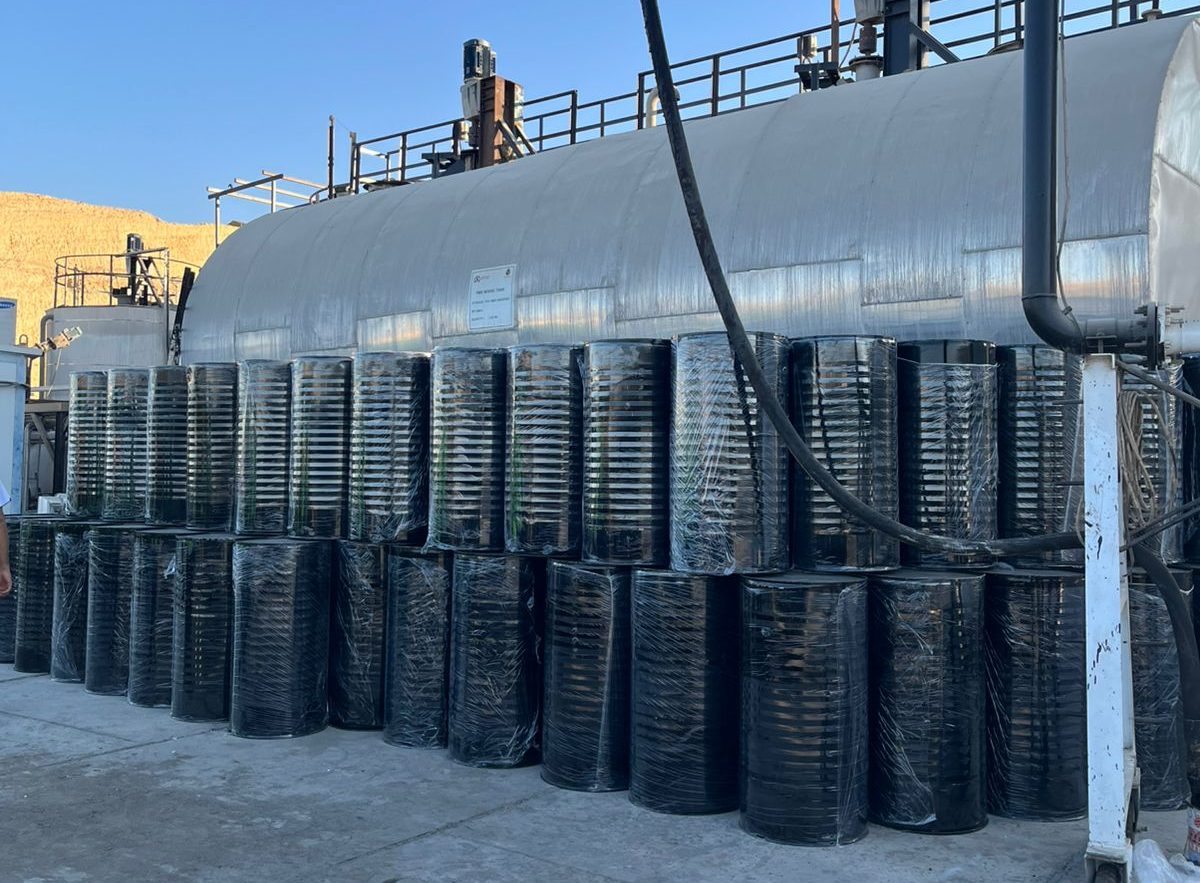
Which bitumen suppliers are reliable for Sudan projects?
When planning Sudan road construction materials, the first decision is the source of your bitumen. Among the most trusted names is Gulf Petro Vision L.L.C, a regional player with over 15 years of experience delivering both 60/70 and polymer‑modified grades that meet the bitumen specifications Sudan requires. Other reputable firms include:
- Al‑Rashid Energy – strong presence in Port Sudan and a fleet of dedicated tankers.
- Petro‑Mena – known for continuous‑grade production and ISO‑9001 quality systems.
- Red Sea Bitumen Co. – offers on‑site blending services for custom blends.
All these suppliers provide end‑to‑end logistics, from loading at refinery hubs to discharge at Sudan’s main terminals, ensuring compliance with practical sourcing guidelines for the region.
What are the main cost factors in a Bitumen import Sudan operation?
Cost components for a standard 20‑tonne shipment.
The cost of bitumen import Sudan is driven by freight rates (sea‑line tariffs), marine insurance, the bitumen import duty Sudan (currently 5 % CIF), and currency fluctuations that affect the USD‑SDG conversion. Additional items such as port handling, storage, and customs brokerage can add 3‑5 % to the landed price.
How can bulk shipments improve cost efficiency?
PROS
- Lower per‑tonne freight and handling fees.
- Reduced customs paperwork per unit.
- Better negotiating power with suppliers.
CONS
- Higher upfront capital requirement.
- Need for adequate on‑site storage.
What due‑diligence steps ensure quality and compliance?
Key actions include verifying ISO certifications, requesting recent assay reports, confirming the supplier’s ability to provide a Certificate of Origin, and reviewing their track record with the Sudanese customs authority. Payment terms typically range from 30 % advance T/T to a confirmed Letter of Credit issued at shipment, with penalties for late delivery clearly outlined in the contract.
Geopolitical developments—such as regional trade embargoes or adjustments in the latest bitumen import policies Sudan—can affect vessel routing and insurance premiums, so maintain flexible clauses that allow for reassessment of costs and delivery schedules.

How will Sudan’s infrastructure development impact Bitumen import Sudan needs through 2026?
Sudan’s National Development Plan earmarks US$12 billion for transport, airport upgrades and dam rehabilitation between 2024‑2026. The bulk of that investment targets over 8 000 km of new and resurfaced highways, which translates into an estimated 1.8 million tonnes of bitumen annually by the end of 2026. This surge directly drives the volume of Bitumen import Sudan must secure, especially given the limited domestic refining capacity.
Which road projects dictate the bitumen grade requirements?
High‑speed corridors linking Khartoum to Port Sudan and El‑Obeid require a polymer‑modified grade (PMB 40/60) to withstand temperature extremes. Rural feeder roads, however, are built to a conventional 30/50 grade, easing the technical specifications. Airport runways at Khartoum International and the new Nyala airfield call for a high‑viscosity, low‑temperature‑crack‑resistant mix, while the rehabilitation of the Roseires Dam’s access roads specifies a waterproofing‑enhanced binder.
Annual demand forecast for Bitumen import Sudan from 2024 to 2026.
What challenges could disrupt the supply chain?
Logistical bottlenecks at Port Sudan, fluctuating freight rates and occasional customs delays (importing bitumen to Sudan regulations) pose real risks. Regional instability may also affect overland tanker routes from neighboring Egypt and Saudi Arabia.
Can local production offset import volumes?
Recent feasibility studies suggest a modest domestic blending facility could produce 400 000 tonnes per year, lowering the bulk bitumen import Sudan requirement. Yet, sustainable sourcing and adherence to bitumen specifications Sudan remain critical for quality assurance.
Stakeholders should consult a comprehensive bitumen sourcing guide to navigate Sudan road construction materials demands, import duties and reliable suppliers for upcoming projects.
Successfully navigating bitumen import Sudan requires diligent planning and a strong understanding of local regulations and market dynamics. With projected infrastructure growth continuing through 2026, securing a reliable supply chain is vital. Gulf Petro Vision L.L.C stands ready to assist businesses in optimizing their bitumen sourcing strategies. Contact us today for a tailored solution.