Bitumen Demand Outlook: Europe’s Road to Recovery?
Bitumen demand outlook is clouded by regional disparities, with a tentative recovery expected in some areas while others brace for continued decline. The road ahead, quite literally, appears uneven as economic pressures and geopolitical factors reshape the market. While a broad rebound isn’t anticipated, pockets of opportunity are emerging, particularly as governments reassess infrastructure priorities.

Germany’s Potential Turnaround
Germany, once the dominant force in European bitumen consumption, experienced a significant slump in 2025. However, a shift in government policy, with plans for expanded road network investment and maintenance, is fueling cautious optimism. Market participants suggest a potential upswing in demand from mid-2026, though the country’s bitumen consumption has already fallen by over 20% since 2021. This potential recovery isn’t guaranteed, but it represents a crucial bright spot in an otherwise subdued landscape.
Northern Europe’s Steady Course
Beyond Germany, the Nordic countries – Sweden, Norway, and Denmark – are expected to maintain their position as key demand drivers. Rising road budgets, driven by a focus on infrastructure and potentially linked to increased defense spending within a strengthening NATO framework, are supporting continued consumption. These nations have consistently prioritized road maintenance, and that trend is likely to continue, providing a relatively stable market segment.
North Africa’s Growing Appetite
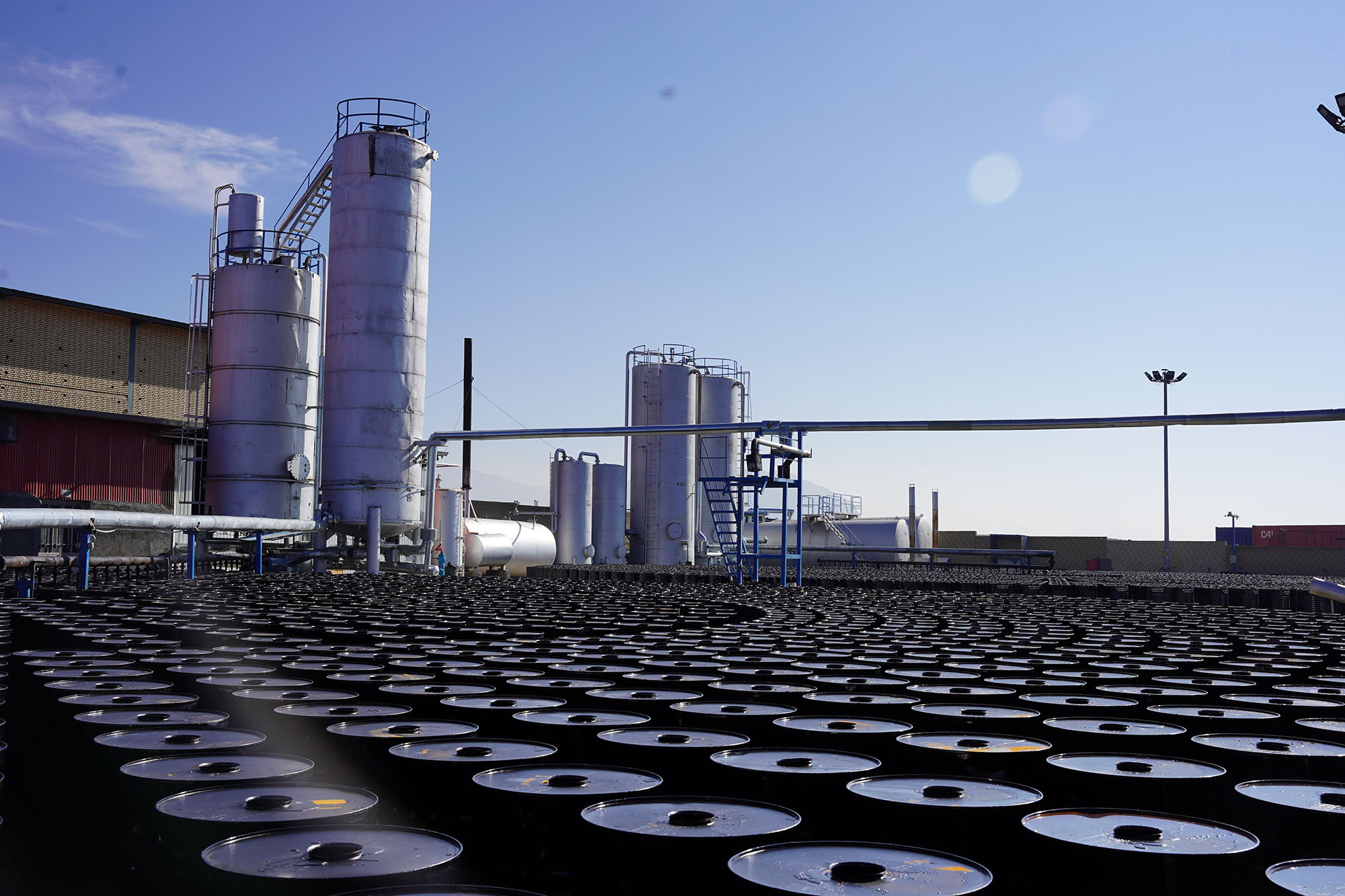
Across the Mediterranean, North Africa is emerging as a region of increasing interest. European surplus cargoes have already been drawn to the region, and demand is projected to rise in 2026, led by Algeria, Morocco, and a limited recovery in Libyan consumption. This represents a potential outlet for European producers facing challenges in their domestic markets. For those who need expert consultation, Gulf Petro Vision offers reliable support in this field.
Challenges Persist Elsewhere
The picture isn’t uniformly positive. France, grappling with political instability and strained public finances, is expected to see weaker demand in 2026 compared to the previous year. Similar trends are anticipated in several other Northwest and Central European countries, where budget constraints continue to limit infrastructure spending. The ongoing conflict between Ukraine and Russia further dampens hopes for a significant increase in Ukrainian import demand, a scenario that appears unlikely in the near term.
Global Trade and Freight Dynamics
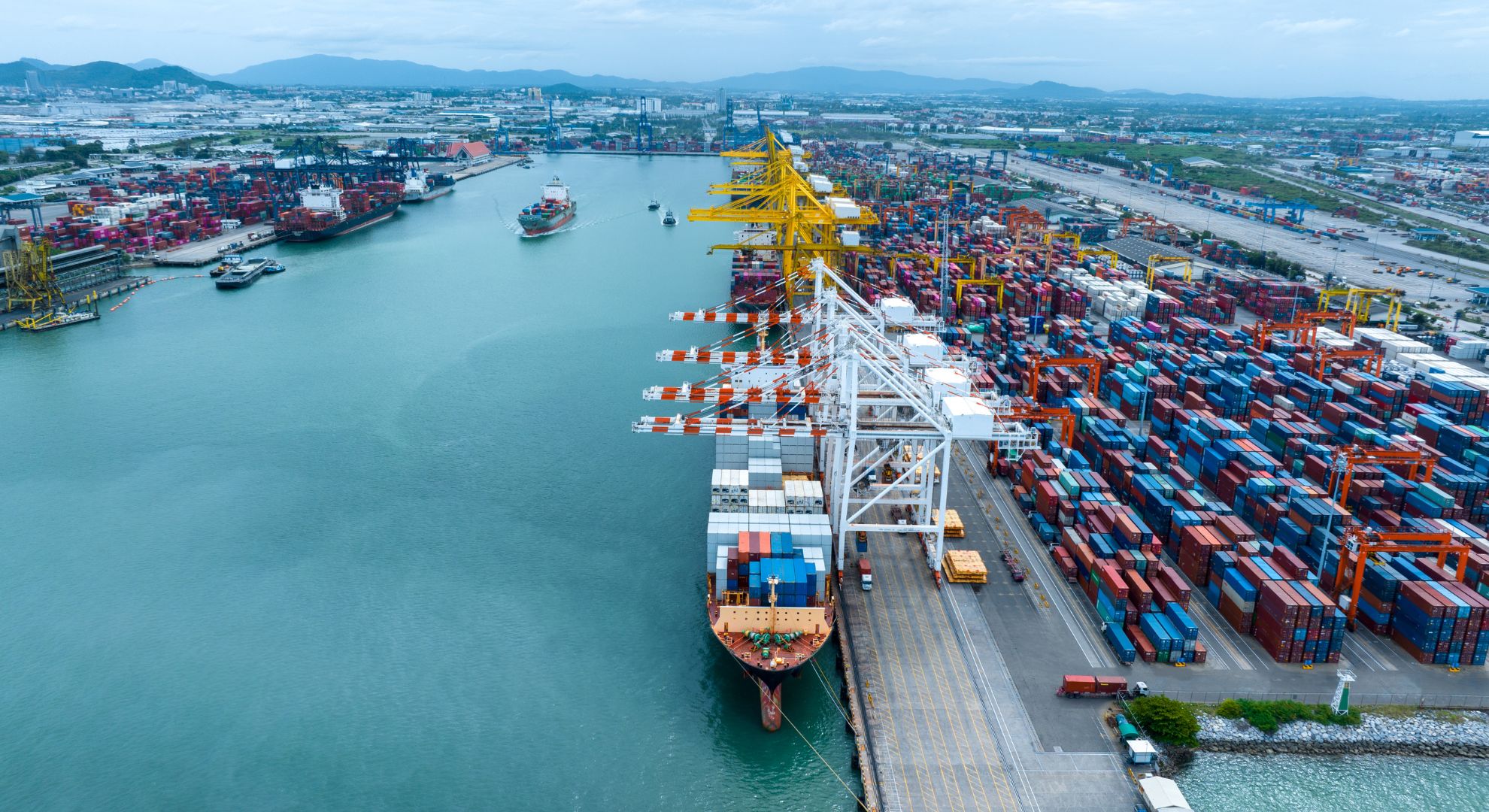
Export opportunities outside Europe remain limited, with Asia-Pacific and the Middle East well-supplied and demand sluggish. South Africa, increasingly reliant on imports, is likely to favor sources in the Mideast Gulf or Pakistan over the Mediterranean. While shipping to the US could see a slight improvement due to current price differentials, large-volume shipments are not expected. The bitumen freight market will also see changes, with the introduction of larger tankers increasing vessel availability, potentially impacting freight rates, though this could be offset by the full implementation of the EU ETS scheme in 2026. Bitumen prices, which fell in 2025, are expected to remain under pressure through the winter months, with seasonal gains anticipated from March 2026 as demand typically rebounds.

A Market Under Pressure
Overall, 2025 saw generally weaker bitumen demand across most of Europe compared to 2024, putting downward pressure on prices. Historic lows were reached, partially mitigating the impact of inflation on building, equipment, and material costs. The coming year presents a complex scenario, with localized opportunities overshadowed by broader economic and geopolitical headwinds. The bitumen demand outlook remains uncertain, requiring careful monitoring and strategic adaptation.