Bitumen Consumption in Ivory Coast: Trade, Ports, Packaging, Emerging Grades, and Gulf Petro as a Trusted Supplier
Bitumen is a critical material for road construction, infrastructure development, and industrial applications worldwide. In West Africa, Ivory Coast (Côte d’Ivoire) has emerged as a growing market for bitumen, not only in terms of domestic consumption but also as a hub for regional exports. The country’s rapid urbanization, large-scale road projects, and cross-border trade have made understanding bitumen consumption trends, import/export flows, logistics, packaging, and emerging grades essential for suppliers, contractors, and investors looking to engage with the Ivorian market.
This article provides a comprehensive analysis of bitumen trade and usage in Ivory Coast, comparing 2023 and 2024 data, highlighting main ports for trade, exploring commonly used packaging formats, and examining the adoption of new bitumen grades. Additionally, we introduce Gulf Petro, a reliable supplier and exporter, offering insight into sourcing quality bitumen efficiently for projects in Ivory Coast. The insights provided aim to help stakeholders strategically plan for long-term growth and market engagement.

1. Bitumen Imports and Exports: 2023 vs 2024
1.1. 2023 Bitumen Trade
In 2023, Ivory Coast’s bitumen trade reflected strong growth due to expanding infrastructure development and a surge in road and highway projects. Imports of bitumen-related products totaled approximately 49,000 US dollars, representing a 130% increase over 2022. Major suppliers included the United States, Tunisia, and France, showcasing a balanced reliance on both North American and European sources for quality bitumen.
Exports also increased substantially in 2023, reaching around 37,000 US dollars, a remarkable 618% growth compared to the previous year. Despite the high growth rate, overall export values remained modest due to official trade classifications and the niche market of bitumen exports. Primary export destinations included neighboring countries such as Togo, Guinea, and Burkina Faso, underscoring Ivory Coast’s growing role as a regional hub for infrastructure materials.
1.2. 2024 Trends and Emerging Patterns
Early 2024 data indicates that regional demand continues to drive bitumen trade. Ghana remains a significant importer, sourcing large volumes of Ivorian bitumen for its expanding road and highway projects. Ivory Coast’s growing influence as a regional supplier of paving-grade bitumen and construction materials has been further solidified.
In addition, West African nations including Burkina Faso and Mali increasingly rely on imported bitumen from Ivory Coast to maintain and expand road networks. These trends suggest that Ivory Coast is not only a domestic consumer but a strategic supplier within the West African infrastructure supply chain.
2. Importance of Bitumen Trade in Ivory Coast
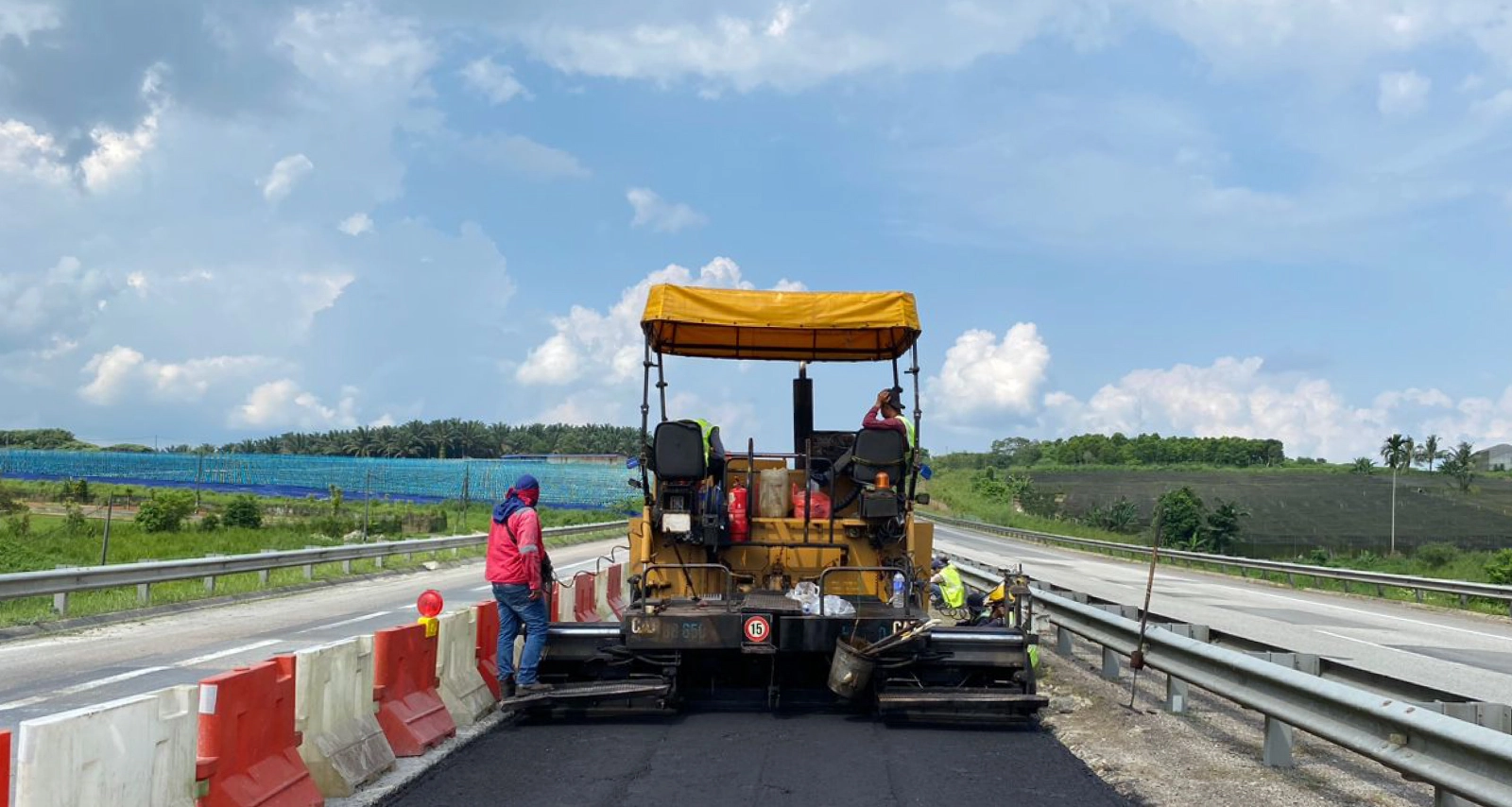
Bitumen plays a vital role in Ivory Coast’s infrastructure development. Highways, urban expansion, and cross-border connectivity projects require continuous access to high-quality bitumen. Reliable supply ensures domestic road construction projects progress without delays and supports regional export demand, strengthening Ivory Coast’s position as a hub for construction materials.
Bitumen is especially crucial for paving roads that connect inland areas to coastal ports, facilitating trade and transportation. Landlocked neighboring countries rely on Ivory Coast’s ports to access international markets, and a steady supply of bitumen ensures project timelines are met, reducing risks associated with delayed deliveries or material shortages.
3. Main Ports for Bitumen Trade
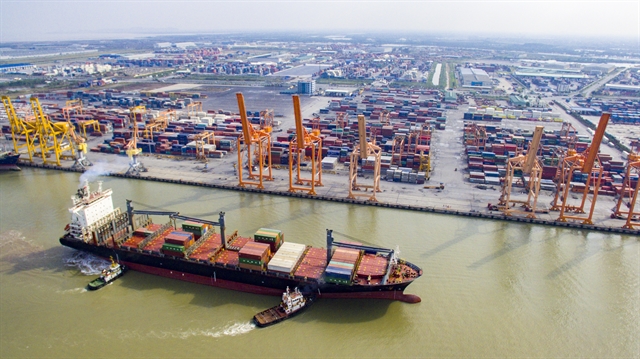
Ivory Coast’s geographic location along the West African coast makes it a key gateway for bitumen imports and exports. Two major ports dominate the trade landscape:
3.1. Port of Abidjan
The Port of Abidjan is Ivory Coast’s largest and most important commercial port, handling over 85% of the country’s foreign trade. It serves as the central hub for bitumen imports and exports, accommodating bulk petroleum products, containerized shipments, and specialized construction materials.
Its strategic location enables access to landlocked neighboring countries, ensuring smooth regional distribution. Recent investments in container terminals, deeper berths, and logistics infrastructure have enhanced capacity, allowing larger shipments to be handled efficiently and supporting both domestic and regional growth in the bitumen market.
3.2. Port of San Pedro
While smaller than Abidjan, the Port of San Pedro is increasingly utilized for bulk imports and exports of bitumen. San Pedro provides logistical diversification, reduces congestion at Abidjan, and facilitates trade along coastal routes. Its growth ensures efficient access to western regions of Ivory Coast and supports infrastructure projects while enhancing regional export potential.

4. Common Packaging for Bitumen in Ivory Coast
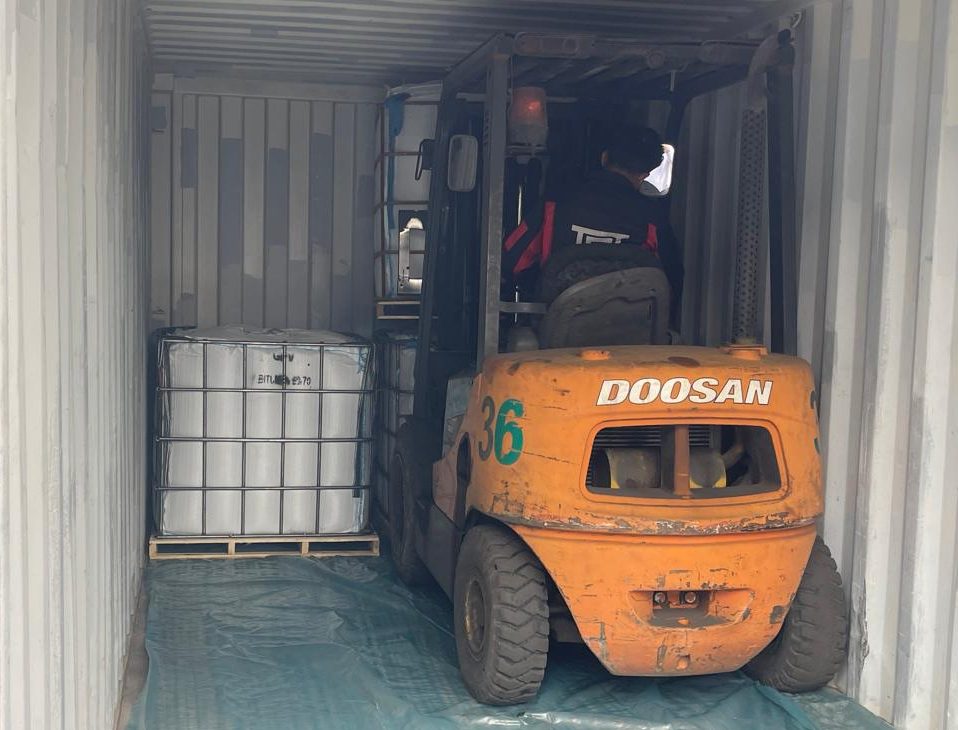
Packaging is an essential aspect of bitumen logistics, particularly for containerized shipping and project-specific deliveries. Suppliers in Ivory Coast employ a combination of packaging formats to cater to varied project scales and customer needs.
4.1. Jumbo Bags
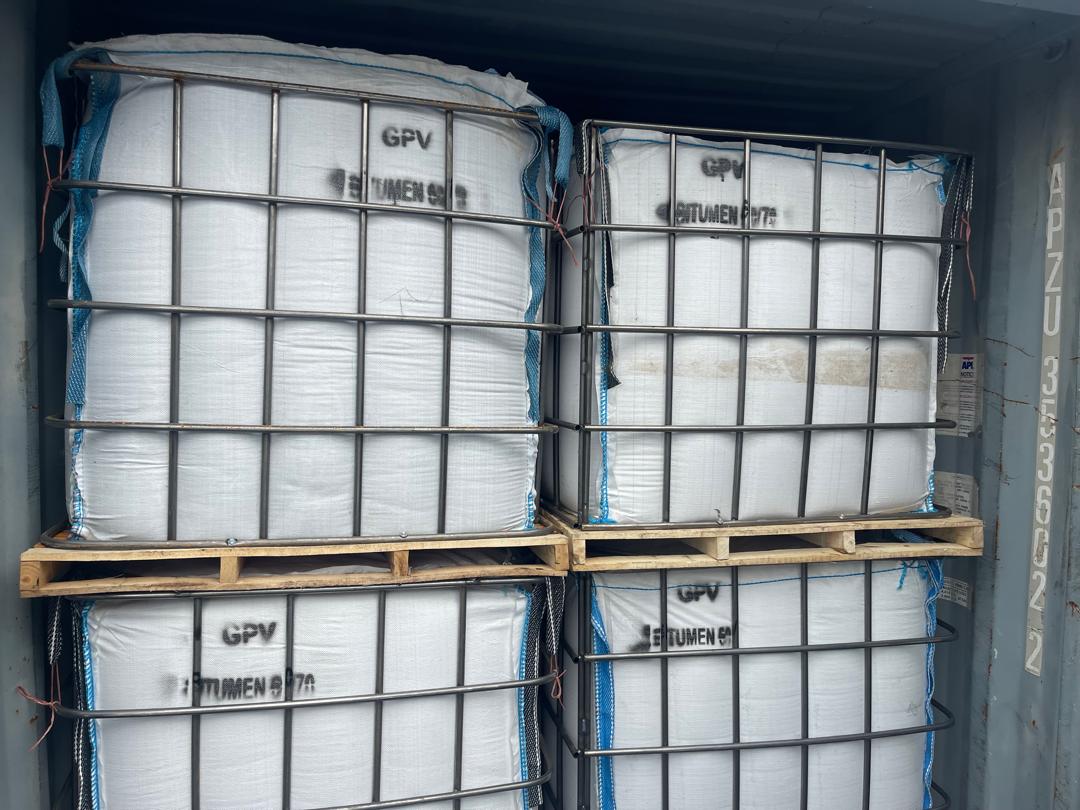
Jumbo bags, weighing 1 to 1.3 metric tons, are widely used for containerized shipments. These bags allow for efficient stacking, handling, and transport, maximizing tonnage per container. Jumbo bags are commonly used for penetration-grade bitumen such as 60/70 and 80/100.
4.2. Steel Drums
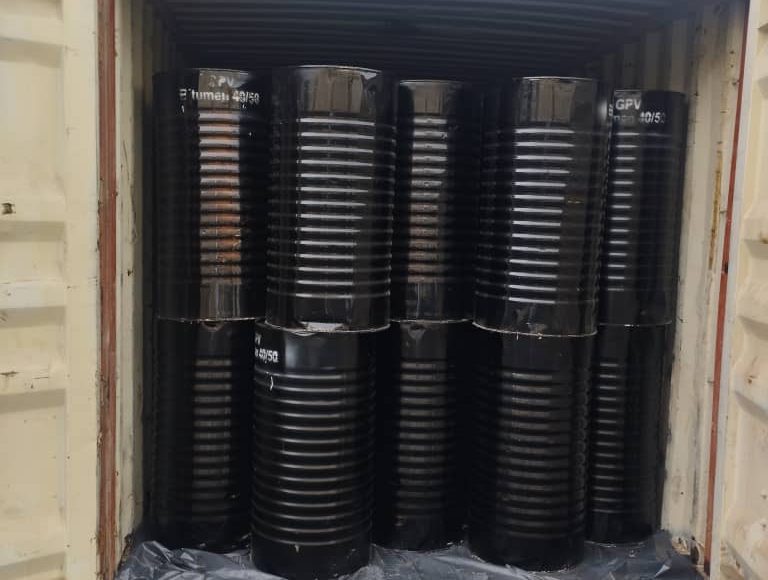
Steel drums, typically around 180 kilograms, are ideal for smaller-scale projects or sites lacking bulk offloading facilities. Drums offer flexibility and easier on-site handling, making them suitable for contractors needing manageable quantities.
4.3. BituBags
Intermediate-sized BituBags, weighing around 300 kilograms, balance handling efficiency with cost-effectiveness. They are suitable for medium-scale projects, offering a flexible solution for contractors requiring moderate quantities of bitumen.
Efficient packaging ensures that suppliers can meet domestic and regional demand while supporting logistical flexibility and project-specific requirements.
5. Emerging Bitumen Grades in Ivory Coast
Traditionally, penetration-grade bitumen 60/70 has dominated Ivory Coast’s road and surface applications. However, growing traffic loads and technically complex infrastructure projects have spurred the adoption of newer high-performance grades.
5.1. VG-30 Bitumen
VG-30 bitumen offers enhanced performance for high-traffic roads and tropical climates. Its resistance to deformation and rutting makes it suitable for highways, airport runways, and heavy-load roads. Adoption of VG-30 is steadily increasing for projects requiring long-lasting durability.
5.2. Polymer-Modified Bitumen (PMB)
Polymer-modified bitumen improves elasticity and durability, reducing cracking and deformation under extreme temperatures and traffic conditions. PMB is being adopted for major highways and urban infrastructure, signaling Ivory Coast’s commitment to modernized road networks and globally recognized construction standards.

6. Population Growth and Urbanization Impact on Bitumen Demand
Population growth in Ivory Coast, estimated at 27 million in 2024 with an annual growth rate of approximately 2.5%, directly impacts bitumen consumption. Urban expansion in cities such as Abidjan, Bouaké, and San Pedro increases the need for:
-
Residential road networks
-
Highways connecting industrial and commercial zones
-
Bridges and urban infrastructure
-
Public transport facilities
Urbanization also drives ongoing maintenance of existing roads, ensuring sustained domestic demand. Higher traffic density necessitates durable bitumen grades like VG-30 and PMB, reducing repair cycles and ensuring longer service life.
Population-driven demand also influences logistics, encouraging the use of steel drums and BituBags for urban projects requiring smaller, manageable quantities of bitumen.

7. Introducing Gulf Petro: Reliable Supplier and Exporter to Ivory Coast
For businesses looking to source high-quality bitumen for Ivory Coast, Gulf Petro stands out as a trusted supplier. With years of experience in exporting bitumen to West Africa, Gulf Petro offers:
-
Consistent quality assurance aligned with customer specifications
-
Flexible packaging options: jumbo bags, steel drums, and BituBags
-
Expertise in logistics, customs clearance, and port operations
-
Ability to supply penetration-grade, VG-30, and PMB bitumen
-
Efficient distribution to Abidjan, San Pedro, and regional destinations
Gulf Petro’s commitment to reliable supply, technical support, and regional expertise ensures that contractors, investors, and infrastructure developers in Ivory Coast have access to premium bitumen products tailored to their specific project requirements. Partnering with a trusted exporter helps mitigate risks associated with delays, quality inconsistencies, and regulatory challenges.
8. Market Implications and Future Outlook
8.1. Regional Influence and Export Potential
Ivory Coast’s role as a bitumen exporter is expanding, particularly to West African neighbors like Ghana, Burkina Faso, and Togo. Its reliable supply of high-quality bitumen strengthens its position as a regional hub, ensuring continued export growth aligned with rising infrastructure investment.
8.2. Infrastructure Growth
Domestic projects, including highways, urban expansion, and industrial zones, drive steady bitumen demand. The adoption of advanced grades like VG-30 and PMB ensures long-term durability and performance, supporting sustainable infrastructure development.
8.3. Logistics and Port Development
Improvements in Abidjan and San Pedro ports enhance trade volume management, reduce turnaround times, and increase efficiency for bulk and containerized shipments. Efficient logistics supports both domestic projects and regional export initiatives, solidifying Ivory Coast’s status as a critical bitumen trade hub.
8.4. Packaging and Supply Chain Efficiency
Diverse packaging formats—jumbo bags, steel drums, and BituBags—enable suppliers to address a variety of project scales and client requirements. Flexible logistics solutions support efficient delivery, reduced handling costs, and safer transport, essential for maintaining strong market presence.
8.5. Adoption of New Grades
Growing adoption of VG-30 and PMB bitumen reflects Ivory Coast’s commitment to modernized, high-quality infrastructure. These grades reduce maintenance costs, improve road longevity, and align with international construction standards.
9. Conclusion
Ivory Coast is a critical market for bitumen in West Africa, combining domestic infrastructure needs with regional export potential. Analysis of 2023 and 2024 trends reveals:
-
Rising imports to meet domestic demand
-
Increased exports to neighboring countries
-
Strategic utilization of ports in Abidjan and San Pedro
-
Diverse packaging formats for multiple project scales
-
Gradual adoption of high-performance bitumen grades
-
Population-driven urbanization fueling road infrastructure expansion
For suppliers, contractors, and investors, Ivory Coast represents a long-term growth opportunity, driven by urbanization, infrastructure development, regional trade, and evolving technical standards. Gulf Petro’s presence as a reliable bitumen supplier and exporter ensures access to quality products, flexible logistics, and regional expertise, allowing stakeholders to maximize efficiency and minimize risk.
By understanding trade dynamics, port infrastructure, packaging preferences, emerging grades, and the impact of population growth, companies can make informed decisions and secure a competitive advantage in this expanding West African bitumen market.