Bitumen Bag Seals: Ensuring Integrity & Preventing Leaks
Bitumen Bag Seals are critical for maintaining product quality and ensuring safe transport within the petrochemical industry. At Gulf Petro Vision, we understand the challenges associated with bitumen packaging – from preventing leaks and moisture ingress to guaranteeing tamper evidence. This article provides a detailed overview of the latest sealing solutions, best practices, and emerging technologies for bitumen bag integrity.
Choosing the right sealing approach is pivotal for preserving the chemical stability of hot‑mix bitumen during storage and transport. The seal must resist heat, moisture, and mechanical stress while remaining cost‑effective and quick to apply. Below we break down the most common techniques, their long‑term reliability, and the emerging tools shaping the future of Bitumen Bag Seals.

How Do Bitumen Bag Seals Influence Long‑Term Product Integrity?
Heat sealing fuses the bag’s polymer walls, creating a homogeneous barrier that performs well across a wide temperature range. However, excessive dwell time can degrade the polymer film, especially with low‑density polyethylene (LDPE) liners, leading to micro‑leaks.
Adhesive tapes offer flexibility and speed, but their performance hinges on the adhesive’s resistance to bitumen’s oily constituents. Over time, solvents can migrate, softening the tape and compromising the seal—particularly in humid climates.
Specialized closure systems—such as zip‑lock couplers or crimp‑lock rings—integrate mechanical force with gasket materials designed for bitumen’s thermal expansion. These solutions often incorporate tamper‑evidence features, adding a layer of security against unauthorized opening.
Comparison of long‑term reliability for common sealing methods.
What Are the Strengths and Weaknesses of Heat Sealing?
Heat sealing delivers the highest moisture barrier when paired with polypropylene (PP) or multi‑layer polyethylene/PP films. It is cost‑effective at high volumes but requires calibrated hot‑seal equipment; a variance of ±5 °C can cause seal creep or incomplete fusion.
PROS
- Strong weld integrity
- Excellent moisture protection
CONS
- Equipment maintenance intensive
- Potential polymer degradation at high temperatures
Can Adhesive Tapes Compete with Specialized Closure Systems?
Modern bitumen‑resistant tapes, part of Bitumen Jumbo Bag Packaging solutions, offer rapid application and visual tamper evidence. Yet, they are sensitive to temperature swings; in sub‑zero storage the adhesive may lose tack, while prolonged exposure to hot sun can cause softening. Specialized systems incorporate a gasket that expands with bitumen temperature, maintaining seal pressure and reducing leak risk.
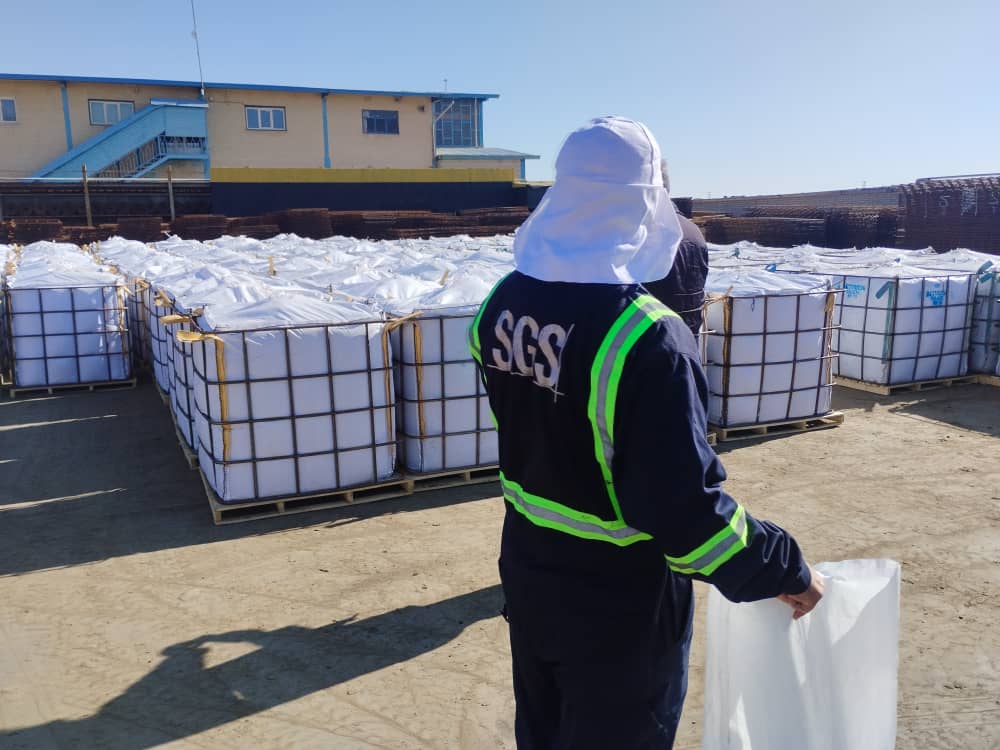
How Do Emerging Sealing Solutions Redefine Packaging Integrity?
Innovations such as ultrasonic welding and self‑sealing polymer films are entering the market. These technologies promise uniform heat distribution, minimal thermal impact on bag material, and built‑in tamper‑evidence patterns. Early field trials show a 30 % reduction in seal failure rates for grade‑90 bitumen when combined with advanced moisture barrier liners.
Regardless of method, consistent equipment calibration and operator training are non‑negotiable. Routine
ensures that the chosen bitumen bag sealing solutions meet the stringent bitumen packaging integrity 2025 benchmarks and protect both product quality and the environment.
What Are the Key Considerations for Bitumen Bag Seal Testing and Tamper Evidence?
Testing the performance of Bitumen Bag Seals begins with a clear test plan that balances destructive and non‑destructive methods. Destructive tests—tensile pull, burst pressure, and heat‑soak cycles—quantify ultimate seal strength and leak‑through rates. Non‑destructive approaches such as ultrasonic leak detection, infrared thermography, and pneumatic pressurization allow repeated inspections without compromising the bag.
Pass rates for common seal‑testing methods.
Leak resistance is evaluated by pressurizing the sealed bag to its transport pressure (typically 0.5 MPa) and monitoring pressure decay over 24 hours. Tamper evidence is verified by attempting authorized and unauthorized opening sequences, then inspecting for permanent deformation, broken security tape, or missing identifiers.
Relevant standards include ISO 11607‑1 (Packaging for Terminally Sterilized Medical Devices) for barrier performance, ASTM D7119 for hot‑seal strength, and IEC 60811 for tamper‑evident packaging. Regulatory bodies in the petroleum sector also reference API 650 and local hazardous‑material transport codes.
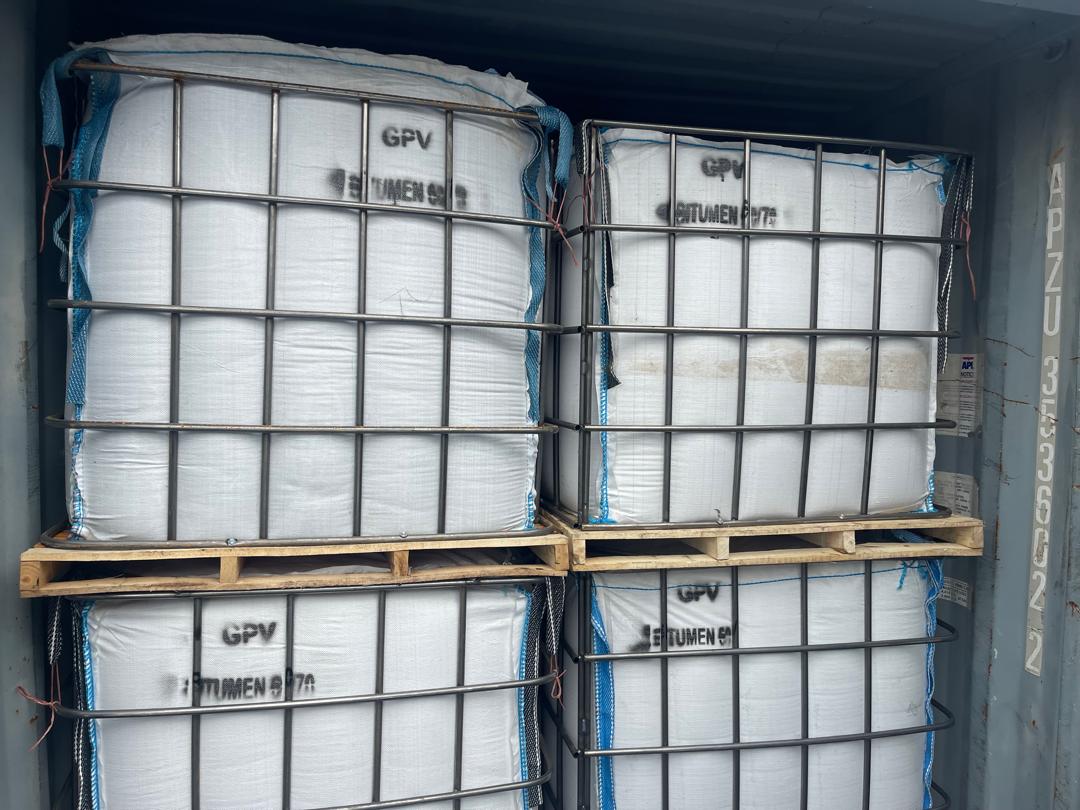
How Do Bitumen Bag Seals Incorporate Tamper‑Evident Features for Supply‑Chain Security?
Integrating tamper‑evident elements such as security tapes with unique barcodes, heat‑shrink seals that change color on exposure, and RFID‑enabled closure systems creates a visible and traceable barrier. These features deter unauthorized access and provide instant visual cues during visual inspection—a critical step before loading or unloading.
- Security tape with serial numbers linked to the batch record.
- Specialized heat‑seal adhesives that irreversibly bond and leave a “void” pattern if lifted.
- Embedded RFID tags that trigger an alert when the seal integrity is compromised.
What Is the Process for Bitumen Bag Seal Failure Analysis and Prevention?
When a seal failure occurs, a root‑cause analysis follows a structured workflow: (1) collect the bag, documentation, and incident report; (2) perform visual inspection for tears, adhesive delamination, or compromised tamper‑evident features; (3) conduct laboratory tests (e.g., microscopy, shear strength) to identify material defects; (4) map the failure to handling, storage temperature, or equipment misuse.
Common causes include temperature excursions that soften adhesives, over‑tension during handling, and incorrect seal‑heat settings. Preventative measures consist of calibrated sealing equipment, real‑time temperature monitoring, and employee training on proper bag handling.

Why Is Documentation and Traceability Essential After a Packaging Incident?
Accurate records—test certificates, batch numbers, seal‑inspection logs, and tamper‑evidence verification—enable swift traceback to the production lot, minimizing exposure risk and supporting regulatory compliance. In the event of a complaint, traceability data also underpins product authentication, reinforcing confidence throughout the supply chain.
By adopting high‑performance seal technologies and rigorous testing, manufacturers ensure Bitumen Jumbo Bag Packaging: Solutions for 2025 remain leak‑free, tamper‑proof, and fully traceable.
Why is Proactive Leak Prevention Crucial for Bitumen Bag Seals & Packaging Integrity in 2025?
Every year, a single cracked bag can release thousands of kilograms of hot bitumen, jeopardising worker safety, inflating cleanup costs, and adding to greenhouse‑gas emissions. Proactive leak prevention therefore shifts the cost curve from reactive remediation to strategic investment, preserving both the bottom line and the environment.
How do material selection and seal adhesives influence Bitumen Bag Seals performance?
Choosing the right woven polypropylene or high‑tenacity HDPE fabric is the first line of defense. Grade‑specific seal adhesives—phenolic‑based for 70‑90 °C grades and silicone‑modified for 120 °C blends—bond to the polymer fibers without embrittlement. Matching the adhesive to the bitumen’s viscosity and temperature profile reduces seal creep under thermal cycling. For detailed guidance, see Bitumen Jumbo Bag Packaging: Solutions for 2025.

What role does quality control and predictive maintenance play in preventing seal failure?
Integrated QC stations now perform real‑time torque verification and infrared seal temperature mapping. Data feeds into a predictive‑maintenance algorithm that schedules resealing before adhesive degradation exceeds 15 %. This reduces human error, standardises bitumen bag sealing solutions, and extends bag life by up to 25 %.
Impact of quality control and predictive maintenance on leak rates.
How are emerging automation and tamper‑evidence technologies reshaping leak prevention?
Robotic heat‑seal heads apply uniform pressure at 0.5 MPa, eliminating operator variance. Built‑in tamper‑evidence strips—colored polymer ribbons that fracture on unauthorized opening—provide an immediate visual cue, reinforcing the overall bitumen bag tamper evidence strategy. Moisture‑proof liners with nanoclay barriers further protect the cargo from condensation during long hauls.
Investing in high‑performance Bitumen Bag Seals today translates into fewer emergency shipments, lower disposal fees, and a measurable reduction in carbon footprint—key metrics for any 2025 sustainability agenda.
Maintaining optimal performance with Bitumen Bag Seals is paramount for bitumen traders and end-users alike. As we move towards 2025, advancements in materials and sealing equipment will continue to drive improvements in packaging integrity. Gulf Petro Vision remains committed to providing cutting-edge solutions and expert guidance. Contact us today to discuss your specific bitumen packaging needs and ensure a secure supply chain.