With its strong adhesive properties, thermoplastic behavior, and proven performance in asphalt mixtures, Bitumen 200/300 remains one of the most widely used bitumen grades in infrastructure projects around the world. Moreover, its flexibility and durability make it highly suitable for a wide range of construction applications. From highways and urban roads to maintenance and rehabilitation projects, this versatile material therefore continues to play a key role in building reliable and long-lasting transportation networks. As a result, it remains a preferred choice for engineers, contractors, and infrastructure developers worldwide.
Bitumen 200/300: Properties, Uses, Technical Specifications, and Applications in Road Construction
Introduction to Bitumen 200/300
Contractors commonly use Bitumen 200/300 for road construction and asphalt pavement production. Its softer consistency compared to other penetration grades makes it ideal for cold climates and areas that require flexible asphalt binders.
Bitumen plays a critical role in modern infrastructure. As a binder in asphalt mixtures, it holds aggregates such as sand, gravel, and crushed stone together to form durable pavement layers. Among the many grades available, Bitumen 200/300 is valued for its excellent flexibility, workability, and strong adhesive properties.
This article explores the properties, applications, technical specifications, and benefits of Bitumen 200/300, along with its role in the global construction industry.

What is Bitumen 200/300?
Bitumen penetration grade 200/300 is a standard paving grade bitumen commonly used in road construction and asphalt pavement manufacturing.
The number 200/300 refers to the penetration value measured under standard laboratory conditions. The penetration test measures the depth to which a standard needle penetrates the bitumen sample under a fixed load for five seconds at 25°C. The result is expressed in tenths of a millimeter.
A penetration range of 200 to 300 indicates that the bitumen is relatively soft and flexible. This property makes it particularly useful in climates where pavements need greater flexibility to prevent cracking caused by temperature changes.

Production Process of Bitumen 200/300
Bitumen 200/300 is a petroleum-derived material produced during the refining of crude oil. The manufacturing process typically involves fractional distillation and vacuum distillation in oil refineries.
During refining:
- Crude oil is heated and separated into different fractions.
- Lighter products such as gasoline, kerosene, and diesel are removed.
- The remaining heavy residue is processed under vacuum conditions.
- The final residue becomes bitumen, which can then be further processed to achieve different penetration grades.
Bitumen 200/300 is typically produced from vacuum residue (short residue) feedstock. The quality of the final product depends on the crude oil source and the refining technology used.

Thermoplastic Properties of Bitumen
One of the most important characteristics of bitumen is its thermoplastic behavior.
This means that:
- Bitumen softens at high temperatures
- Bitumen hardens at low temperatures
This temperature-viscosity relationship is essential in determining the performance of bitumen in pavement applications.
Because of this thermoplastic property, bitumen can be heated during mixing and paving operations and then cooled to form a strong and durable binding layer.

Temperature and Performance Relationship
The behavior of bitumen is strongly influenced by temperature. The temperature-versus-stiffness relationship determines how the material performs under different environmental conditions.
Several factors affect this relationship, including:
- Type of crude oil
- Refining process
- Bitumen composition
- Environmental temperature
For example:
- In hot climates, harder bitumen grades are preferred.
- In cold climates, softer grades like Bitumen 200/300 perform better because they reduce the risk of pavement cracking.

Uses of Bitumen 200/300
Bitumen 200/300 is widely used in various construction and industrial applications. However, its primary use is in road construction and asphalt production.
1. Road Construction
One of the most common applications of Bitumen 200/300 is in road paving.
It is used as a binder in asphalt mixtures to create durable pavement layers such as:
- Base courses
- Binder courses
- Wearing courses
These layers provide structural strength and smooth driving surfaces.
Because of its flexibility, Bitumen 200/300 is especially suitable for regions with cold weather conditions where harder bitumen grades may crack.

2. Hot Mix Asphalt Production
Bitumen 200/300 is widely used in the production of Hot Mix Asphalt (HMA).
Hot mix asphalt is produced by heating aggregates and bitumen together in asphalt plants. The mixture is then transported to the construction site and compacted to form the road surface.
Benefits of using Bitumen 200/300 in HMA include:
- Improved flexibility
- Strong adhesion with aggregates
- Resistance to cracking
- Better workability during mixing and laying
3. Asphalt Pavement Layers
Bitumen 200/300 is commonly used in several pavement layers, including:
Base Layer
The base layer supports the entire pavement structure and distributes traffic loads to the subgrade.
Binder Layer
The binder course provides structural strength and connects the base layer with the wearing surface.
Wearing Course
The wearing course is the top asphalt layer exposed to traffic. It must be durable and resistant to weather conditions.
4. Road Repair and Maintenance
Another important use of Bitumen 200/300 is in road maintenance and rehabilitation projects.
It is used for:
- Pavement resurfacing
- Pothole repairs
- Crack sealing
- Overlay asphalt layers
Its flexibility allows the repaired sections to integrate well with existing pavement structures.
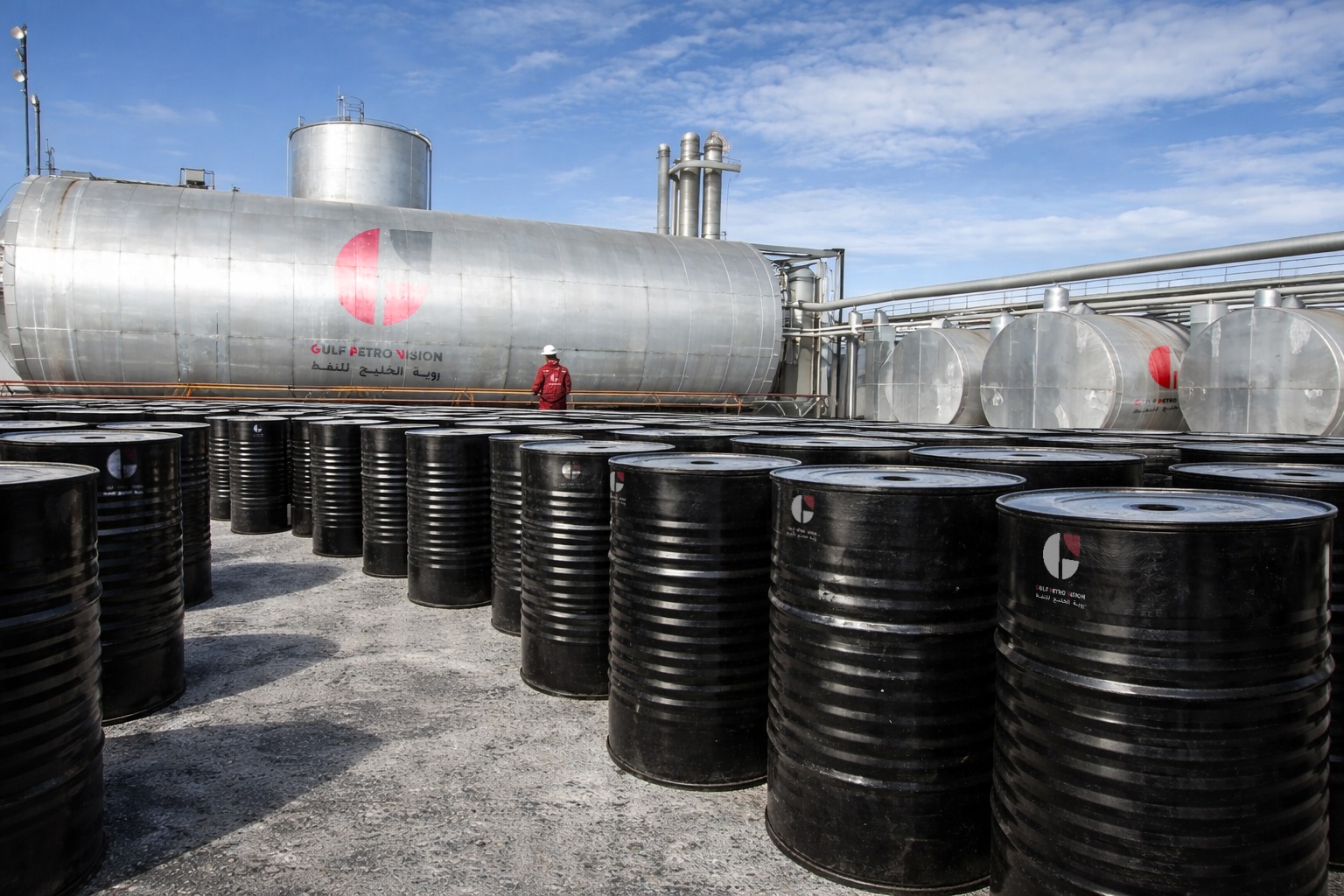
Properties of Bitumen 200/300
Bitumen 200/300 has several physical and mechanical properties that make it suitable for pavement construction.
1. Flexibility
This grade is softer than many other penetration grades, allowing pavements to absorb stresses caused by temperature fluctuations and heavy traffic.
2. Adhesion
Bitumen has strong adhesive properties, enabling it to bind aggregates effectively.
3. Durability
Properly produced bitumen provides long-lasting pavement performance and resistance to environmental damage.
4. Water Resistance
Bitumen is naturally waterproof; as a result, it protects pavement structures from moisture penetration and long-term damage.
Technical Specification of Bitumen 200/300
The technical properties of Bitumen 200/300 are determined through standardized laboratory tests.
Below is a typical specification table:
| Property | Test Method | Unit | Specification |
|---|---|---|---|
| Specific Gravity @25°C | ASTM D70 | kg/m³ | 990 – 1040 |
| Penetration @25°C | ASTM D5 | mm/10 | 200 – 300 |
| Softening Point | ASTM D36 | °C | Min 32 |
| Ductility @25°C | ASTM D113 | cm | Min 100 |
| Loss on Heating | ASTM D6 | wt % | Max 1 |
| Drop in Penetration After Heating | ASTM D5-D6 | % | Min 37 |
| Flash Point | ASTM D92 | °C | Min 177 |
| Solubility in Trichloroethylene | ASTM D2042 | wt % | Min 99 |
| Spot Test | AASHTO T102 | — | Negative |
These specifications ensure that the bitumen meets international quality standards for construction use.
Quality Assurance and Industry Standards
Quality control is essential in bitumen production. For this reason, reputable suppliers ensure that their products comply with internationally recognized standards such as:
- ASTM standards
- AASHTO standards
- EN specifications
Independent inspection agencies are often used to verify that the bitumen meets these standards before shipment.
Quality inspections typically include tests for:
- Penetration
- Softening point
- Ductility
- Flash point
- Solubility
- Aging resistance
These tests ensure the reliability and performance of the bitumen in real-world applications.

Advantages of Using Bitumen 200/300
Several advantages make Bitumen 200/300 a popular choice in road construction.
Better Flexibility in Cold Climates
Softer penetration grades perform better in cold regions because they resist cracking caused by thermal contraction.
Improved Workability
This grade is easier to mix and apply during asphalt production and paving operations.
Strong Aggregate Bonding
Bitumen forms a strong bond with aggregates, ensuring structural stability.
Long-Term Pavement Performance
When properly applied, asphalt pavements made with Bitumen 200/300 can last for many years. Consequently, they require minimal maintenance over time.
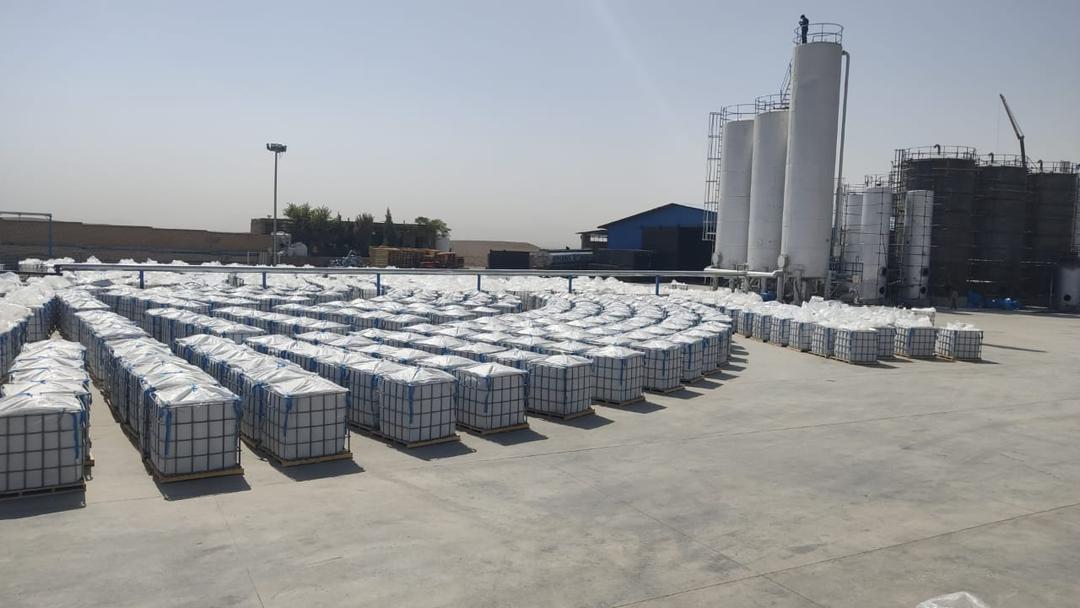
Bitumen 200/300 Compared with Other Grades
Bitumen penetration grades vary based on hardness.
For example:
- Bitumen 60/70 – harder grade used in hot climates
- Bitumen 80/100 – medium hardness grade
- Bitumen 200/300 – softer grade suitable for cold climates
Each grade is selected based on environmental conditions and project requirements.
Choosing the correct bitumen grade ensures optimal pavement performance.

Storage and Handling of Bitumen
Proper storage and transportation are essential to maintain bitumen quality.
Key guidelines include:
- Store in insulated storage tanks
- Maintain proper heating temperatures
- Prevent water contamination
- Use specialized bitumen tankers for transportation
Incorrect storage conditions may cause oxidation or quality deterioration.

Environmental Considerations
Modern asphalt technology supports sustainability through recycling and reuse of pavement materials.
Road construction teams reuse old asphalt layers as reclaimed asphalt pavement (RAP), helping reduce environmental impact and lower construction costs.
As a result, the construction industry recognizes bitumen as an important material in sustainable infrastructure development.

Conclusion
Bitumen 200/300 is an essential paving grade bitumen widely used in road construction and asphalt pavement production. Its soft penetration range provides excellent flexibility, making it particularly suitable for cold climates and regions where pavement durability is critical.
If you are looking for reliable supply and competitive pricing, you can contact Gulf Petro Vision to get the latest price of Bitumen 200/300 for delivery to your destination, along with updated market insights and professional support for your project requirements.