Oil jumps amid Black Sea shipping disruptions
Oil markets experienced a sharp upward surge this Tuesday following news of heightened maritime conflict. Brent crude jumped over 4% to trade at roughly $87.17 per barrel, while WTI crude climbed to $81.10. These renewed Black Sea shipping disruptions have left energy traders bracing for significant supply volatility.
The Human and Economic Toll in Odesa
A recent Russian drone strike has claimed lives and significantly disrupted vital trade routes in Eastern Europe. A Togo-flagged general cargo ship was struck in the Odesa region while it was unloading fertilizer. This single, violent incident resulted in the deaths of five sailors and left 12 others injured.
While the Russian defense ministry suggests the target was military-related, Ukrainian authorities tell a different story. They describe the strike as a deliberate attempt to intimidate international shipping companies and disrupt food security. The intense fire caused by the drone strike highlighted how vulnerable commercial vessels have become in this conflict zone.
The fallout extends well beyond individual casualties to the stability of the agricultural sector. Major companies like Kernel have already been forced to temporarily suspend operations at nearby ports. Such operational halts create unpredictable ripples throughout the global food supply chain and drive up costs.
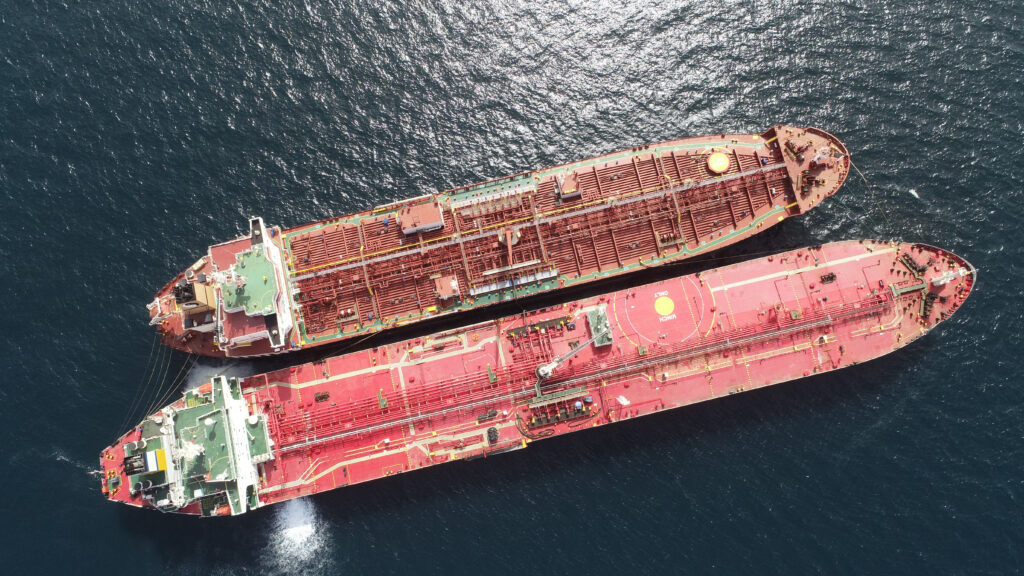
Black Sea shipping disruptions
Ukraine has responded to these attacks with its own series of aggressive drone strikes. Recent operations in the Sea of Azov and Taganrog Bay have targeted several vessels in quick succession. Ukrainian officials report striking 15 ships in just one single overnight window.
These strikes are designed to neutralize the maritime advantage of the Russian fleet. By targeting the shadow fleet, Ukraine aims to cut off the economic benefits of the ongoing conflict.
This retaliatory campaign has now reached a total of over 105 targeted ships within a single eight-day period. The Ukrainian military is specifically aiming at tankers and cargo ships linked to Russia’s shadow fleet. They believe these vessels are primarily used for transporting looted Ukrainian grain and fuel supplies.
Global Geopolitical Pressures
The tension in Europe is only one part of the current upward pressure on oil. In the Middle East, recent Iranian missile strikes on two UAE supertankers in the Strait of Hormuz have sent shockwaves through the market. This sudden escalation has further heightened fears regarding the stability of global energy supplies.
Crude prices have seen a massive rally of nearly 15% since the end of last week. Investors are rapidly pricing in the risk of major supply disruptions across multiple geopolitical corridors. For those who need expert consultation, Gulf Petro Vision offers reliable support in this field.
Market volatility remains high as the situation in the Middle East evolves. The ability of major shipping lanes to remain functional is now the primary concern for global economists.
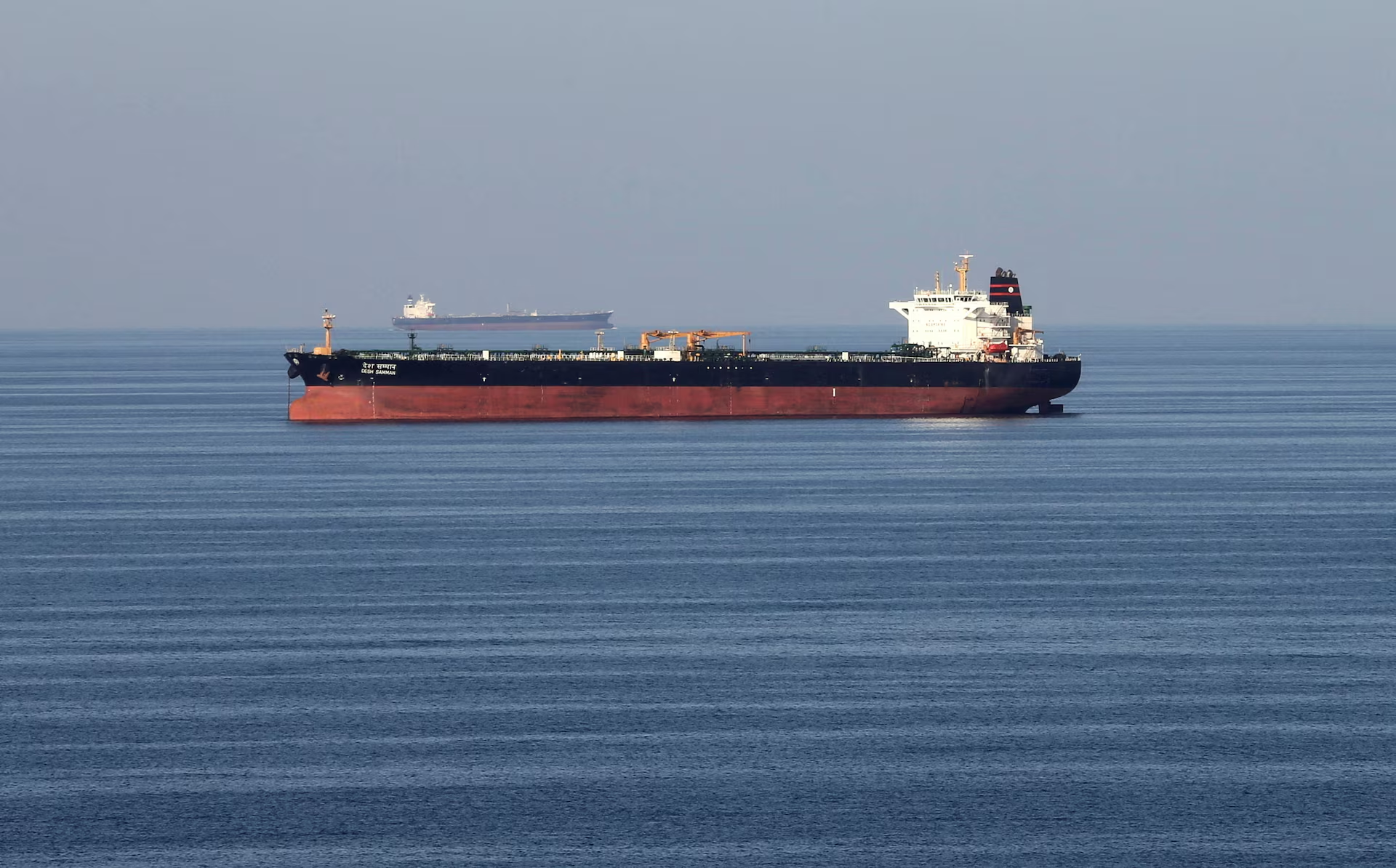
Market Uncertainty
The combination of regional wars and maritime insecurity is creating an incredibly volatile environment. Traders are watching both the Middle East and the Black Sea with extreme caution. Energy prices are likely to remain highly sensitive to any new reports of kinetic activity.
The immediate focus remains on whether international trade routes can stay open. Continuous Black Sea shipping disruptions will likely keep oil prices elevated for the foreseeable future.