Slow Saudi refinery recovery timeline impacts markets
The global energy landscape faces a sudden reality check this week. TotalEnergies CEO Patrick Pouyanné shared sobering updates regarding regional infrastructure. He confirmed that a major Saudi refinery recovery timeline will stretch well into 2027. This news arrives despite recent diplomatic shifts in the Middle East.
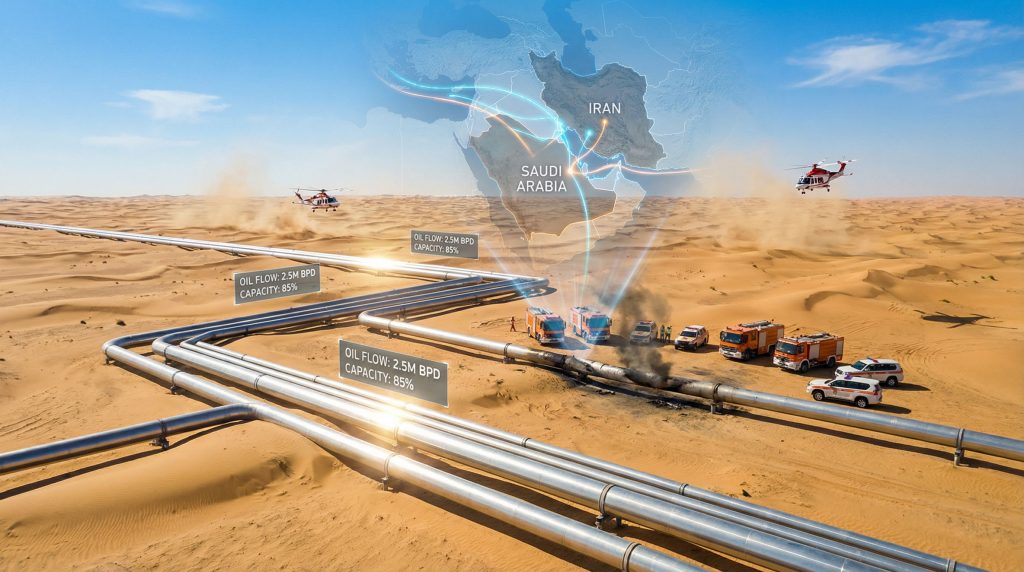
The damage stems from drone strikes that occurred earlier this year. These attacks targeted critical facilities during a period of heightened tension. While some markets feel calmer, the physical damage remains quite severe. Energy supplies cannot simply bounce back overnight through political deals.
Infrastructure Damage and Current Output
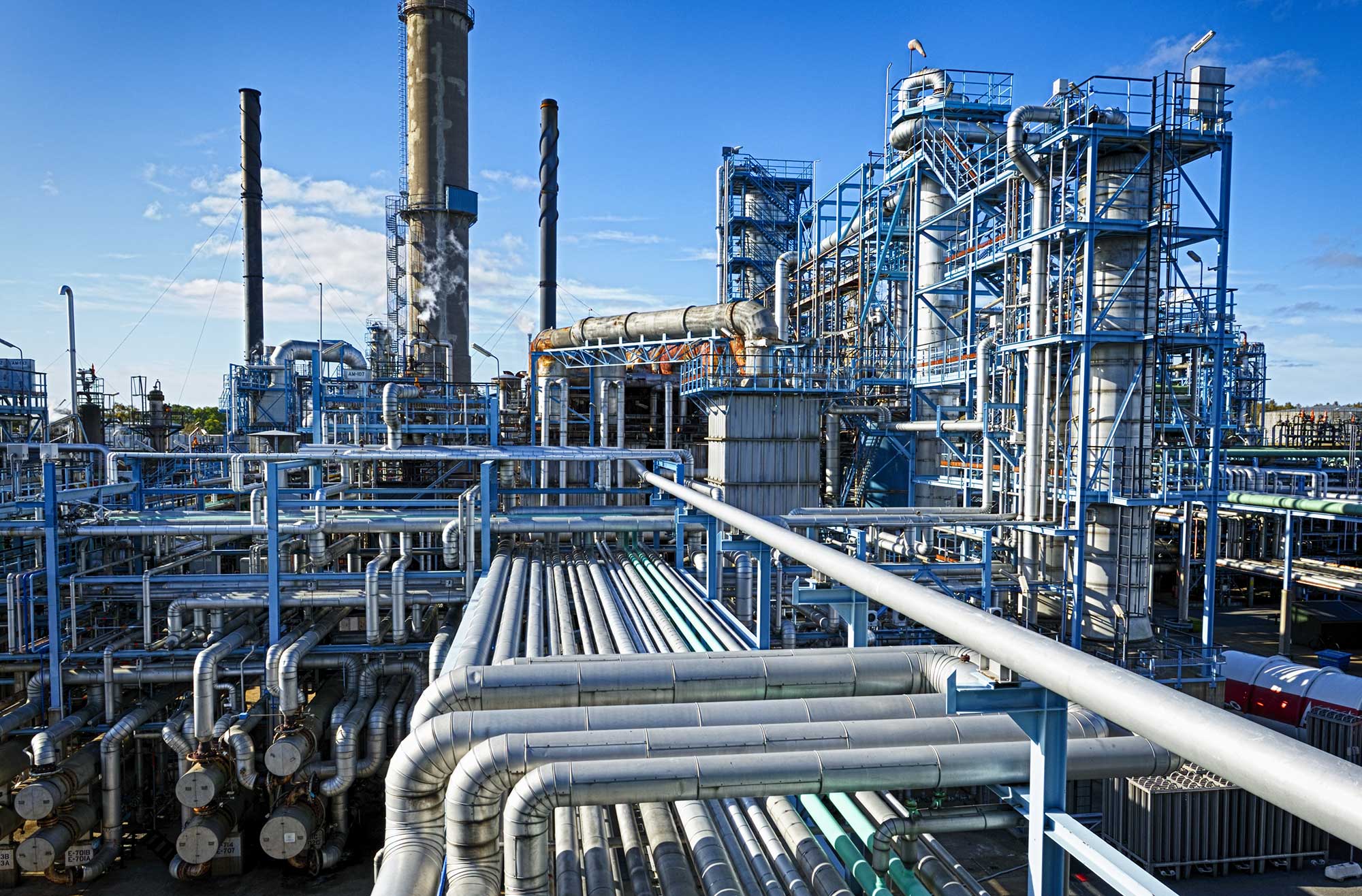
The SATORP facility remains a central pillar of regional energy. It currently operates at only 70 percent of its total capacity. This complex is a joint venture involving Saudi Aramco and TotalEnergies. It processes roughly 460,000 barrels of oil every single day.
Restoring such a massive facility requires significant time and precision. Engineers must ensure all safety protocols meet strict international standards. Simple patches will not suffice for this highly sophisticated plant. Therefore, full operational capacity is not expected for several years.
Traders are watching these capacity numbers with growing concern. Reduced output often leads to tighter margins in fuel markets. Even with peace frameworks, the hardware must be fixed first. Supply chains remain sensitive to these structural physical limitations.
Market Volatility and Regional Stability
Diplomatic progress between the U.S. and Iran offers some hope. Many hoped a new peace framework would stabilize energy prices. However, damaged refineries act as a bottleneck for global supply. Political agreements cannot instantly replace lost refining throughput in the Gulf.
Fuel markets often react to these long-term supply gaps. Crude prices may stabilize, but refined products face different pressures. For those needing expert consultation, Gulf Petro Vision offers reliable support in this field. Understanding these nuances is vital for navigating modern energy risks.
The ripple effects of these delays could hit various sectors. Transportation and industrial users rely on consistent fuel availability. A slow return to full production keeps market volatility high. Investors must account for these lingering structural deficits.
Political Pressure and Energy Taxation
Pouyanné addressed these issues before the French National Assembly recently. His testimony touched on more than just refinery repairs. He also faced questions regarding potential new windfall taxes. Lawmakers in France are debating ways to curb energy profits.
The CEO argued that his company already bears heavy costs. They previously capped fuel prices to assist French motorists during crises. This voluntary action shows the tension between profit and social duty. Regulatory shifts add another layer of complexity for energy firms.
Similar tax moves were recently seen in Poland as well. Companies now face a dual challenge of physical and legislative risks. Managing infrastructure repairs while navigating new taxes requires immense strategic focus. The energy sector is currently in a very delicate position.
The Long Road to Stability
The road to normalcy for the Middle East is long. We are looking at a multi-year rebuilding process for infrastructure. The Saudi refinery recovery timeline remains the primary concern for analysts. Stability depends on both diplomacy and successful engineering projects.
Markets should prepare for extended periods of supply uncertainty. Technical repairs often take longer than initial estimates suggest. Until 2027, the refining landscape will look very different. Constant monitoring of these capacity levels is now absolutely essential.