How Geopolitics Impacts Bitumen Trade Routes and Pricing in 2026
Introduction: Why Geopolitics Is Now the #1 Driver of Bitumen Costs
When a procurement manager signs off on a bitumen purchase order, the price on that contract is not simply the product of crude oil refining economics. It is the accumulated outcome of sanctions regimes, military conflicts, naval tensions, and diplomatic decisions made in capitals thousands of kilometres from the construction site.
In 2026, geopolitics has become the single most volatile variable in the global bitumen market. According to the International Energy Agency (IEA), approximately 20 million barrels per day of crude oil and petroleum products — including substantial bitumen volumes — transit through the Strait of Hormuz alone, representing roughly 25–27% of all global seaborne oil trade. Any disruption to this single waterway reverberates instantly across every bitumen-dependent infrastructure project in Asia, Africa, and Europe.
This article provides a comprehensive, data-driven analysis of how geopolitical forces are reshaping bitumen trade routes and pricing in 2026— and what procurement teams, infrastructure developers, and commodity traders must do to stay ahead.

The Geopolitical Architecture of Global Bitumen Supply
Bitumen production is highly concentrated in a small cluster of nations. Iran, Russia, Saudi Arabia, Iraq, and Venezuela collectively dominate global bitumen exports. This geographic concentration — unlike more diversified commodities — means that political disruptions in any one of these countries can create immediate and disproportionate shocks across the global supply chain.
What makes bitumen especially vulnerable is its low substitutability under time pressure. Unlike petroleum fuels where refinery flexibility allows rapid grade switching, bitumen specifications are project-specific. A road contractor in East Africa working to a particular penetration grade cannot simply accept an alternative product without retesting, reformulating, and potentially redesigning the mix. This inflexibility amplifies the price impact of supply disruptions.
1. Iran Sanctions: The Biggest Single Disruptor of Bitumen Trade Flows
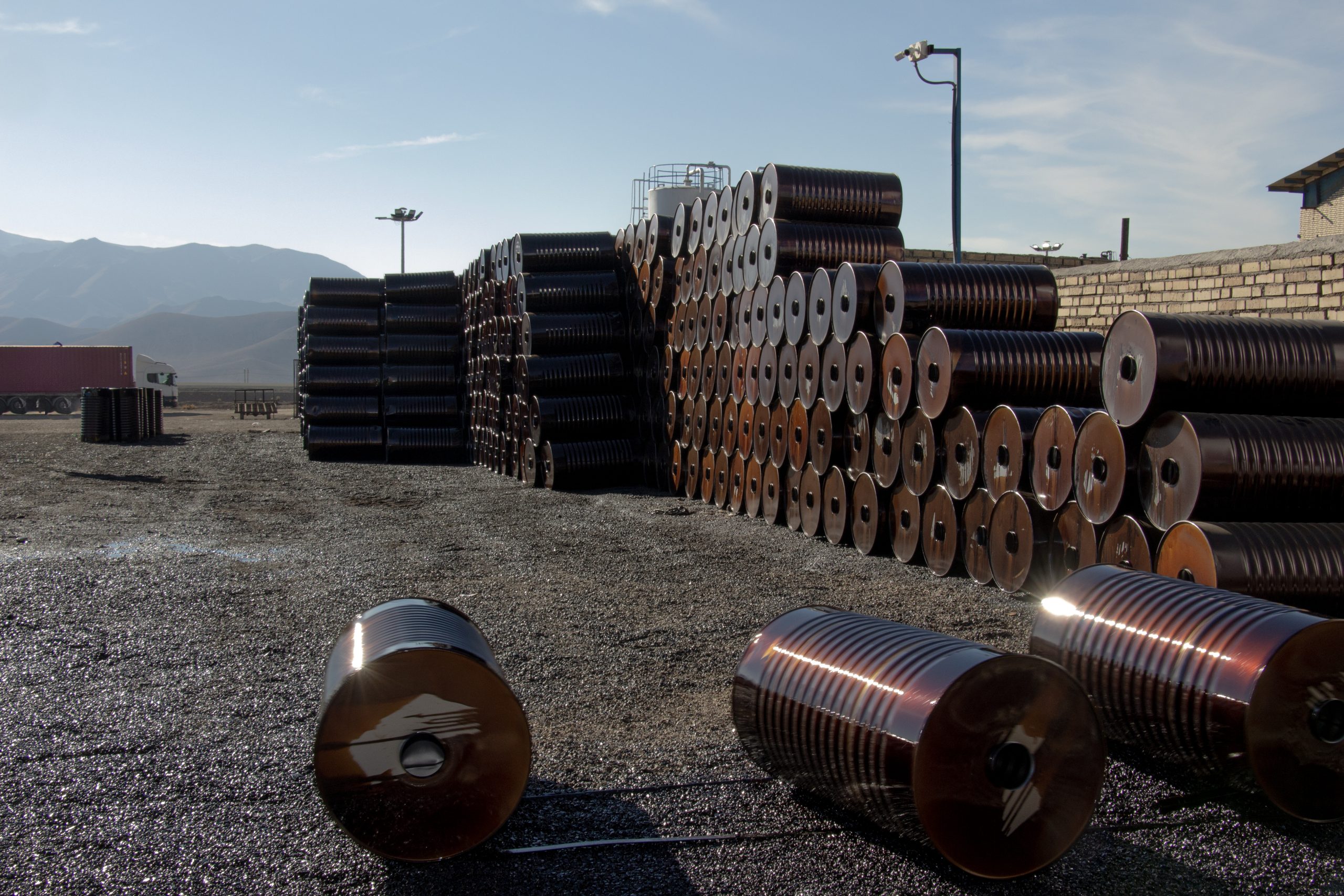
Iran is consistently one of the world’s largest bitumen exporters, supplying markets across South and Southeast Asia, East Africa, and parts of the Gulf. When U.S. sanctions on Iran’s energy sector are enforced — as has been the case with intensifying pressure through 2024 and 2026 — the impact on the bitumen market is swift and measurable.
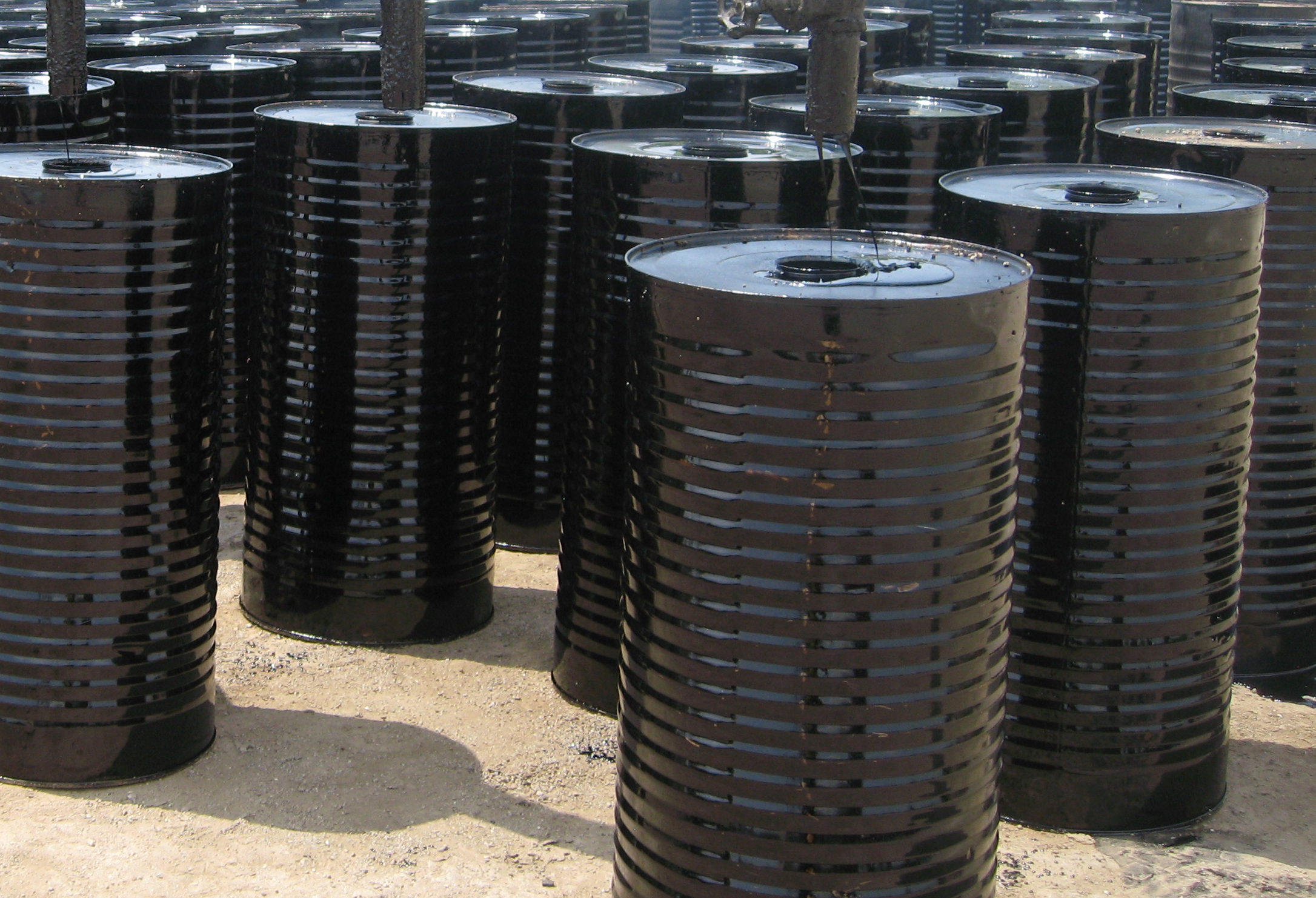
According to market data, Iranian drum-packed bitumen prices rose from approximately USD 380 to USD 395 per metric tonne in Q1 2026as sanctions enforcement tightened supply availability. The displacement of Iranian bitumen from traditional markets has forced buyers in India, Pakistan, Kenya, and East Africa to seek alternative sources from South Korea, Singapore, and Western refineries — suppliers that carry higher base costs and longer lead times.
The Trump administration’s February 2026National Security Presidential Memorandum directing a “maximum pressure” campaign against Iran — with the explicit goal of driving Iranian oil exports to zero — has introduced a new layer of structural uncertainty into long-term bitumen procurement planning. Delivered bitumen costs in key importing nations have increased 15–25% from the combined impact of price escalation and elevated shipping costs, according to expert market research.
Trade Route Impact: Iranian bitumen that historically moved directly via short sea routes to South Asian and East African ports now requires either circumvention through third-country intermediaries or full replacement with longer-haul cargoes from non-sanctioned sources — dramatically increasing freight components of landed cost.

2. The Strait of Hormuz: The World’s Most Critical Bitumen Chokepoint
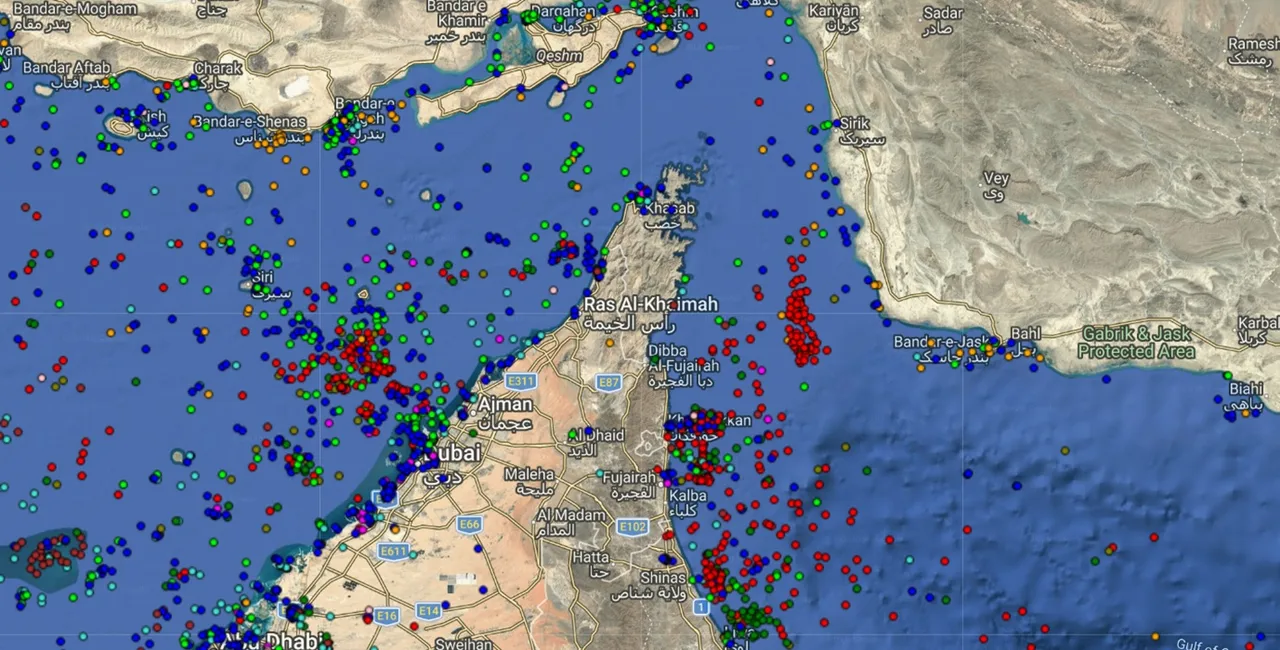
No single geographic feature carries more weight in global bitumen pricing than the Strait of Hormuz — the narrow 29-nautical-mile waterway connecting the Persian Gulf to the Gulf of Oman and Arabian Sea.
According to the U.S. Energy Information Administration and IEA data for 2026:
- 20 million barrels per day of crude oil and petroleum products transit the Strait
- This represents approximately 25–27% of global maritime oil trade
- Nearly 15 million b/d of crude oil alone passed through the Strait in 2026— equal to roughly 34% of all global crude oil trade
- 80% of these volumes are destined for Asian markets, with China and India together receiving over 44% of total flows
- Saudi Arabia (38%), Iraq (23%), UAE (13%), Iran (11%), and Kuwait (10%) account for 93.6% of all crude exports through the Strait
Any credible threat to Strait navigation — from Iranian naval activity, Houthi operations, or U.S.-Iran escalation — immediately triggers a geopolitical risk premium in bitumen prices, even when physical supply remains temporarily unaffected. In early 2026, reports of Iran pledging restrictions on Strait transit caused oil and bitumen prices to spike across Asian markets within 48 hours.
War risk insurance rates for tankers operating in the Persian Gulf escalate sharply during tension periods, and these costs flow directly into the CIF (Cost, Insurance, and Freight) prices that infrastructure buyers pay.
3. Russia-Ukraine Conflict: Rewiring European Bitumen Supply Chains
The Russian invasion of Ukraine in 2022 triggered one of the most significant and enduring bitumen supply chain reconfigurations in modern market history — one whose effects continue to shape European pricing in 2026.
Russian refineries had historically served as a cost-competitive bitumen source for Eastern and Central European road construction programs. Western sanctions and voluntary trade boycotts dismantled these supply relationships within weeks. European buyers rapidly pivoted to:
- Greek and Dutch refineries (increased throughput and utilization)
- Baltic region refinery capacity
- Spot cargoes from Middle Eastern producers via longer sea routes
- Singapore-refined grades for select specifications
The logistical complexity of this rapid transition, combined with constrained European refinery capacity, drove bitumen prices across Poland, Germany, and the Baltic states to multi-year highs in 2022–2023. Russia’s oil export strategy shifted decisively eastward, with approximately half of Russian crude redirected to China by 2023, further tightening available supply for European-aligned buyers.
As of 2026, geopolitical analysts note that any potential peace settlement between Russia and Ukraine could trigger renewed sanctions modifications — which themselves would introduce new market disruptions as supply relationships are renegotiated under changed conditions.
4. Red Sea and Black Sea Disruptions: Freight Costs as a Pricing Mechanism
Regional instability in maritime corridors translates into bitumen pricing even when the commodity itself is not the direct target of any conflict.
The Black Sea: The disruption of crude oil exports from Kazakhstan and Russia via Black Sea routing — impacted by both the Ukraine conflict and Black Sea storm patterns — has had measurable knock-on effects on bitumen market pricing, as noted by industry analysts at Highways Today.
The Red Sea: Houthi attacks on commercial shipping in the Red Sea during 2023–2024 forced vessels to reroute via the Cape of Good Hope, adding approximately 10–14 days to voyage times and significantly increasing bunker fuel costs per cargo. For bitumen cargoes moving from the Middle East to European and East African destinations, this routing change added meaningful freight costs per metric tonne — costs absorbed either by suppliers (reducing margin) or buyers (increasing project budgets).
The Baltic Dirty Tanker Index — the most widely followed freight benchmark for petroleum product tankers — spiked during both the Red Sea disruption and Strait of Hormuz tension periods, providing a reliable leading indicator of bitumen cost pressure for well-informed procurement teams.
5. OPEC+ Policy Decisions and Bitumen Market Sensitivity
Geopolitically motivated OPEC+ production decisions represent a structural, ongoing influence on bitumen pricing that operates independently of acute conflict events.
In 2024, OPEC+ production cuts — driven by a coalition of political and economic objectives among member states — echoed through the bitumen market via tighter crude availability and elevated refinery feedstock costs. The addition of Brazil to OPEC+ introduced new supply dynamics, while Angola’s departure created minor but notable shifts in regional crude flow patterns.
According to Reuters and market analysts, OPEC is anticipated to calibrate production levels throughout 2026 in response to both economic conditions and geopolitical leverage objectives, keeping bitumen producers and buyers in a sustained state of pricing uncertainty. Brent crude prices — the primary cost driver for bitumen production — are projected to average USD 70–80 per barrel in 2026 under baseline scenarios, though geopolitical shock events can drive rapid deviation from this range.
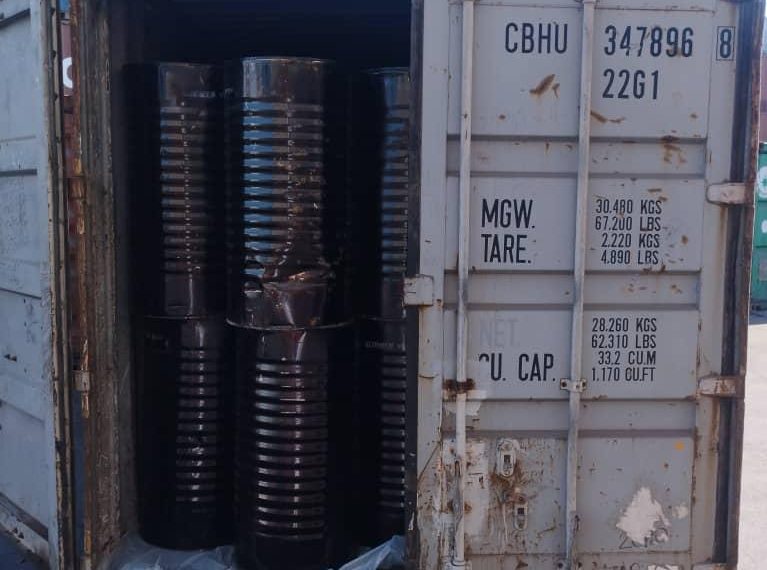
How Geopolitical Risk Translates Into Bitumen Price: The Five Mechanisms
Understanding the specific transmission channels helps procurement professionals anticipate and model exposure:
Supply Reduction Premium: Direct volume loss from sanctioned or conflict-affected producers creates scarcity pricing in spot markets, with effects cascading into contract pricing over subsequent quarters.
Freight Rate Escalation: Rerouted cargoes involve longer voyage distances. A cargo displaced from its established routing may travel thousands of additional nautical miles, adding significant cost per metric tonne at current bunker fuel rates.
War Risk Insurance Surcharges: Enhanced marine coverage in conflict zones adds directly to delivered cost — a factor that is amplified during acute tension periods and can add USD 5–20 per tonne in extreme market conditions.
Currency and Payment Channel Disruption: In geopolitically exposed sourcing regions — particularly where SWIFT access has been restricted — payment channel complexity adds transactional cost and extends procurement cycle times.
Anticipatory Hoarding and Stockpiling: Market participants who correctly anticipate geopolitical disruptions engage in forward-buying and inventory accumulation, tightening prompt availability and inflating spot premiums ahead of the physical disruption itself.
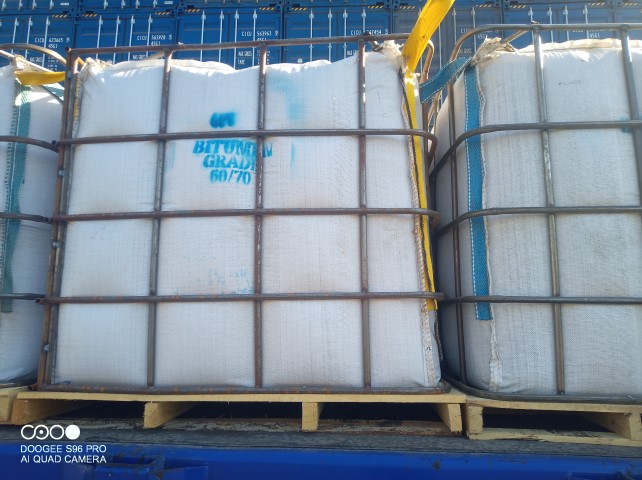
Emerging Trade Routes: The Industry’s Geopolitical Adaptation
The global bitumen industry has responded to sustained geopolitical volatility by actively developing and diversifying supply corridors:
Southeast Asian Refinery Hubs — Singapore and South Korea have grown significantly as refining and re-export hubs, providing geopolitically stable sourcing for Asian and East African markets that previously depended on Iranian supply.
Indian Refinery Expansion — India has substantially expanded domestic bitumen production capacity, progressively reducing import dependency and beginning to emerge as a regional supplier for neighboring markets.
African Refinery Development — Chinese-backed infrastructure investment across Sub-Saharan Africa is catalyzing new local refinery capacity, partially insulating regional construction programs from global supply chain volatility over the medium term.
Central Asian Overland Corridors — Despite political risks, new pipeline and road infrastructure is being developed to provide alternative routing for landlocked Central Asian bitumen flows that have historically depended on Russian or Iranian transit.
Strategic Recommendations for Procurement Teams and Project Developers
For infrastructure developers, procurement managers, and commodity traders operating in today’s geopolitically complex market, the following strategies are no longer optional — they are operational necessities:
Diversify Your Supplier Base across multiple geopolitical zones. No project should carry single-source exposure to a sanctioned or conflict-adjacent supply region.
Hedge Procurement Timing around identifiable geopolitical event calendars — including U.S. sanctions review dates, OPEC+ meeting cycles, and known diplomatic flashpoints — rather than procuring purely on price signals.
Monitor Leading Indicators including the Baltic Dirty Tanker Index, Brent crude futures positioning, and war risk insurance rate movements as early warning signals of impending cost pressure.
Build Strategic Inventory Buffers appropriate to project size and regional supply route risk profile. Regions dependent on Persian Gulf or Black Sea routing should carry elevated safety stock.
Engage Specialist Market Intelligence Partners who monitor geopolitical risk overlays in energy markets and can provide procurement-relevant intelligence beyond generic commodity price reports.
Conclusion: Bitumen Pricing Is Inseparable From Global Politics
The price of bitumen arriving at a construction project is not the product of refining economics alone. It is the accumulated result of sanctions decisions in Washington, military developments in Tehran, OPEC+ negotiations in Riyadh, and naval operations in the Red Sea — all converging on a commodity that underpins the world’s roads, airports, and urban infrastructure.
In 2026 , with the Strait of Hormuz under renewed pressure, Iranian sanctions at their most aggressive in years, and European supply chains still reconfiguring post-Ukraine, the geopolitical premium embedded in bitumen prices has never been more significant — or more difficult to navigate without specialist knowledge.
Frequently Asked Questions (FAQ)
Q1: How do Iran sanctions directly affect bitumen prices globally? Iran is one of the world’s largest bitumen exporters. When U.S. sanctions restrict Iranian exports, traditional buyers in South Asia, East Africa, and Southeast Asia must source from alternative suppliers at higher cost. This reduces supply availability, increases freight distances, and drives up spot and contract prices in affected markets. In Q1 2026 , Iranian bitumen prices rose from approximately USD 380 to USD 395 per metric tonne as sanctions tightened.
Q2: Why is the Strait of Hormuz so important for bitumen supply chains? Approximately 20 million barrels per day of crude oil and petroleum products transit the Strait of Hormuz, representing 25–27% of all global seaborne oil trade. Since most Gulf-produced bitumen is exported through or near this waterway, any credible threat of closure — or actual disruption — drives immediate cost increases through higher freight rates, war risk insurance premiums, and speculative supply hoarding across the entire bitumen market.
Q3: How did the Russia-Ukraine conflict affect bitumen prices in Europe? Russia was a major cost-competitive bitumen supplier to Eastern and Central Europe before 2022. Post-conflict sanctions and boycotts forced European buyers to pivot to Greek, Dutch, and Baltic refineries, as well as Middle Eastern spot cargoes. The resulting supply chain reconfiguration, combined with constrained European refinery capacity, drove bitumen prices to multi-year highs across Poland, Germany, and the Baltic states in 2022–2023.
Q4: How can procurement teams protect themselves from geopolitical bitumen price shocks? Key strategies include: diversifying supplier base across multiple geopolitical zones, building strategic inventory buffers in at-risk regions, hedging procurement timing around known geopolitical event calendars, monitoring the Baltic Dirty Tanker Index as a leading freight cost indicator, and engaging specialist commodity market intelligence services for forward-looking procurement guidance.
Q5: Is the bitumen market expected to stabilize in 2026? Market forecasts for 2026 suggest moderate improvement rather than dramatic change. However, analysts note that sharp price spikes remain likely if unexpected supply disruptions or geopolitical events occur — particularly given the current fragility of Strait of Hormuz transit, ongoing U.S.-Iran maximum pressure policy, and unresolved European supply chain restructuring. Buyers are advised to maintain elevated risk preparedness rather than rely on baseline price stability.
Partner With Gulf Petro Vision for Geopolitically Intelligent Bitumen Procurement
Navigating today’s bitumen market demands more than a competitive price list — it requires real-time geopolitical intelligence, diversified supply access, and a partner who understands how world events translate into your project costs.
Gulf Petro Vision is a specialist bitumen trading and market advisory firm with deep expertise in Middle Eastern, Asian, and African bitumen supply chains. We help infrastructure developers, contractors, and procurement teams secure reliable bitumen supply at competitive pricing — even in the most geopolitically turbulent market conditions.
What we offer:
- Real-time market intelligence and pricing advisory
- Risk-adjusted procurement strategy and forward contract structuring
- End-to-end logistics support across key trade corridors
Contact our team today to discuss your bitumen procurement requirements and receive a tailored market intelligence briefing.