Oil Market Jolted by Persian Gulf Tensions
A reported blast at Oman’s main oil terminal drove benchmark prices higher today. Brent crude hit $95.37 per barrel. West Texas Intermediate climbed to $93.04. This attack reveals how fragile calm in the Persian Gulf tensions can be.
Explosion at Mina Al Fahal Terminal
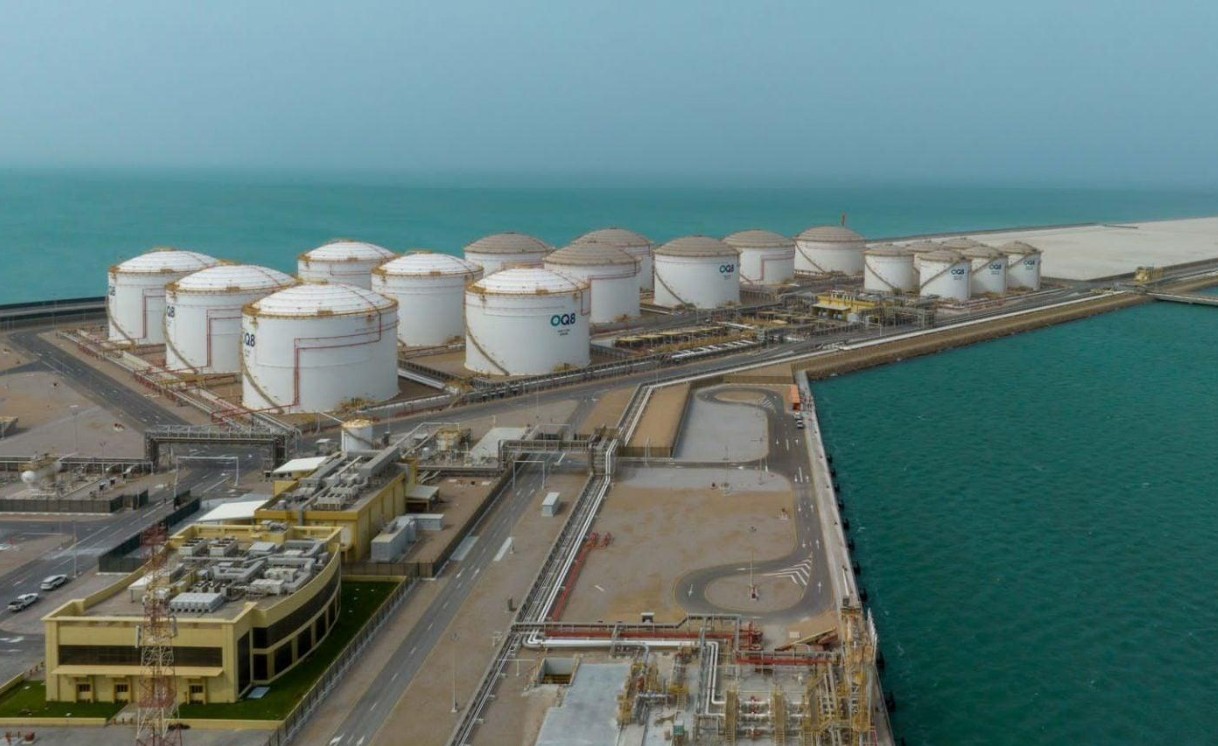
Loadings at the Mina Al Fahal terminal faced delays of several days. Unnamed trading sources confirmed the disruption to Bloomberg. Reuters reported the explosion came from a drone strike. This incident shattered assumptions that Oman would stay neutral.
Oman sits just outside the Strait of Hormuz. Its location made it a safe haven for oil buyers. India recently signed a trade deal with the Gulf state. That agreement aimed to bypass the volatile strait entirely.
Ceasefire Hopes Fade Amid Persian Gulf Tensions
Earlier this week, markets cheered a possible Israel–Hezbollah ceasefire. Reports pushed Brent and WTI prices lower on Thursday. But Hezbollah later rejected the U.S.-brokered deal. That rejection revived fears of broader Persian Gulf tensions.
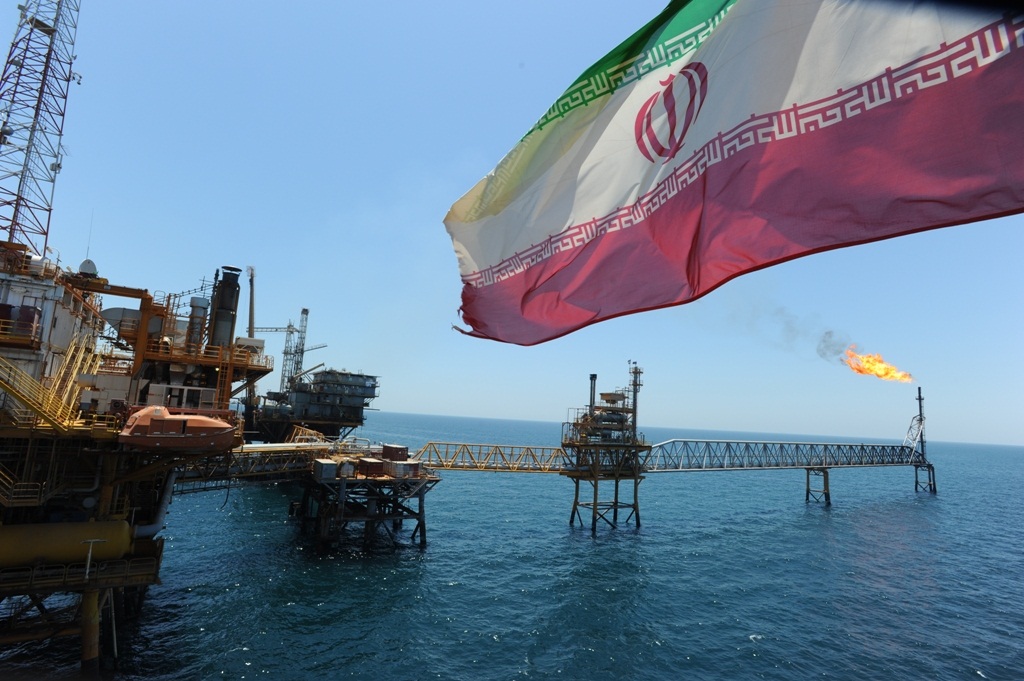
Iran conditioned any peace on a Lebanese ceasefire. The United States remains locked in a proxy struggle. Analysts now see little chance of near-term de-escalation. The tangled web of headlines clouds every optimistic view.
Global Supply Routes Under Strain
India depends heavily on the Strait of Hormuz for energy. It imports 45 percent of its crude oil from the region. Liquefied gas imports also rely on that narrow passage. The Oman attack threatens to close an alternative route.
Any disruption near the strait has global consequences. Tanker insurance costs rise and delivery schedules slip. Buyers scramble for cargoes from safer regions. The market remains on edge as uncertainty persists.
Outlook Remains Uncertain
IG analyst Tony Sycamore noted the technical picture is fragile. As long as WTI stays above low $80s support, risks tilt higher. But the news cycle can shift rapidly. These Persian Gulf tensions will likely keep volatility high.
Reducing exposure requires expert knowledge of geopolitical risk. For those who need guidance in navigating energy markets, Gulf Petro Vision provides insightful analysis and reliable support. The coming weeks will test how far this disruption can push prices.