Kenya Road Construction Projects Driving Higher Bitumen Imports in 2026
Kenya’s Infrastructure Expansion Is Reshaping East Africa’s Bitumen Market
Kenya bitumen imports for road construction are increasing significantly as the country accelerates major infrastructure and highway development projects. From highway rehabilitation projects to urban bypass construction and regional trade corridor upgrades, the country has emerged as one of the region’s fastest-growing bitumen-consuming markets.
For bitumen suppliers, traders, and procurement managers, Kenya is no longer just a secondary East African destination. It is becoming a strategic import hub for penetration grade bitumen, polymer modified bitumen (PMB), and emulsions used in large-scale infrastructure developments.
With ongoing investments linked to economic growth, logistics modernization, and regional connectivity, Kenya’s road construction pipeline is expected to support stronger CFR and FOB bitumen trade volumes throughout 2026 and beyond.
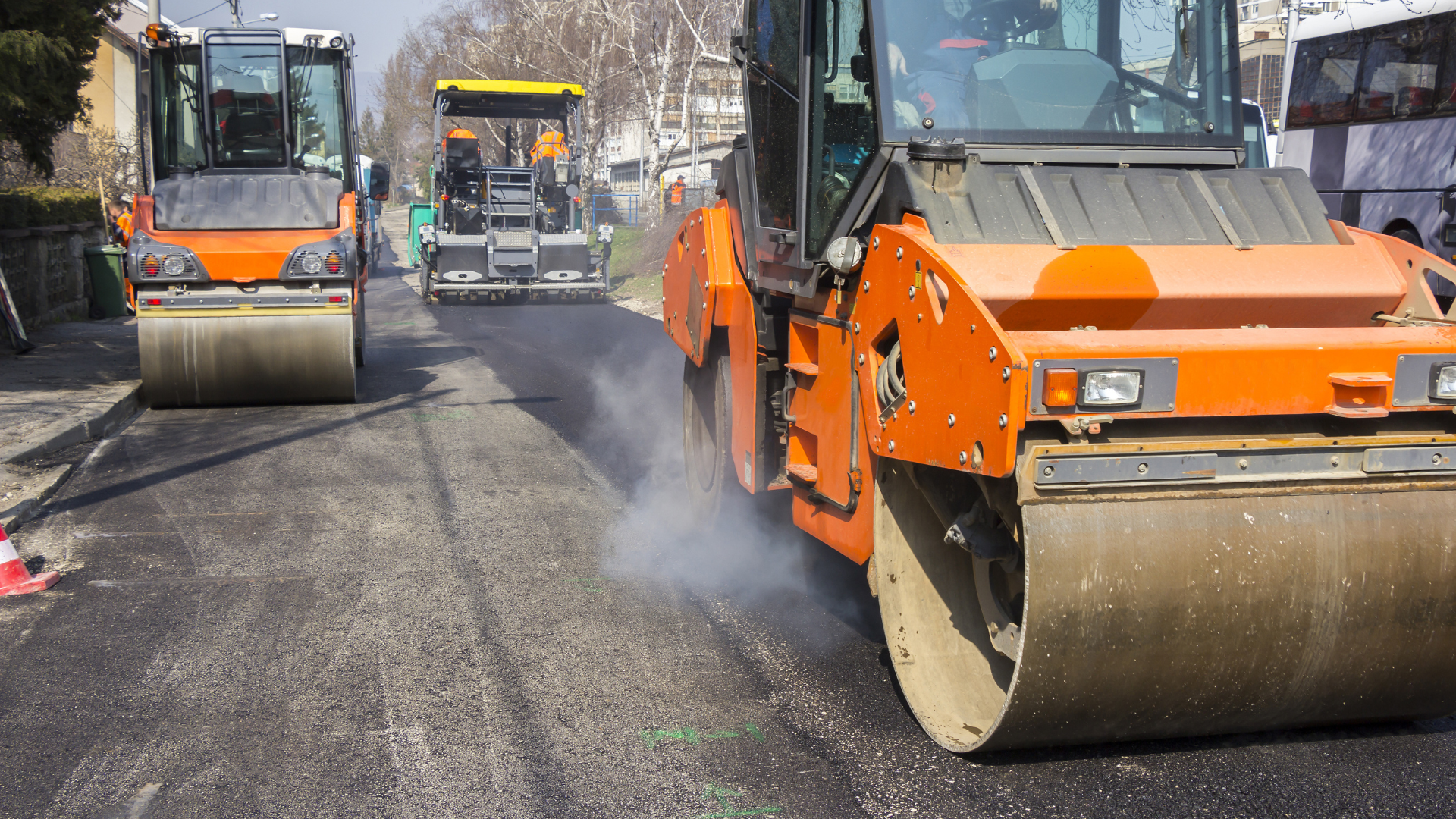
Why Kenya’s Bitumen Demand Is Rising
Kenya’s government continues to prioritize road development as part of its national infrastructure and economic transformation strategy. Several major projects are driving higher asphalt and bitumen consumption levels:
- Nairobi urban road expansion
- Mombasa port connectivity upgrades
- Northern Corridor rehabilitation
- Bypass and expressway developments
- Rural road paving initiatives
- Cross-border transport infrastructure toward Uganda, Ethiopia, and South Sudan
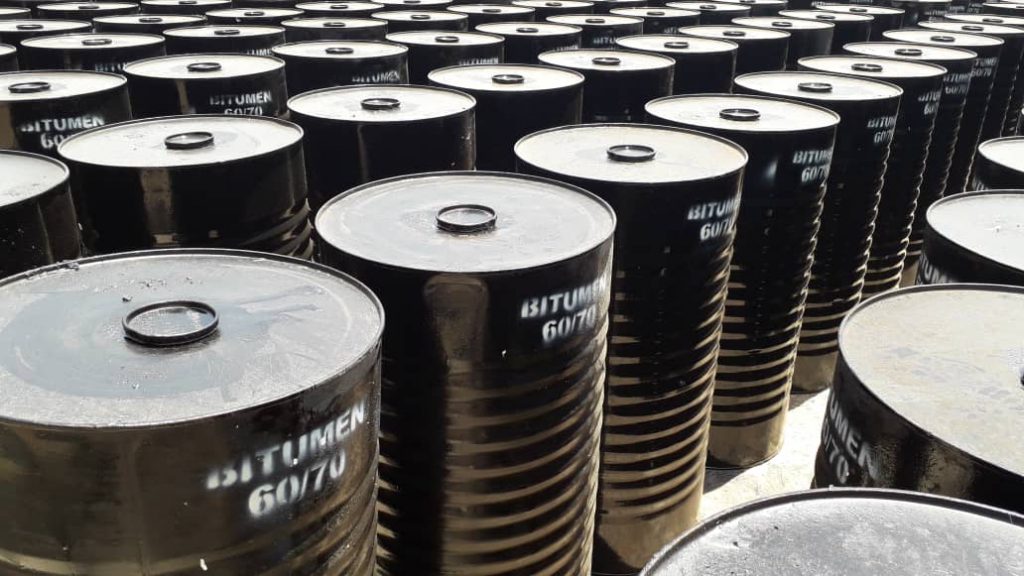
Road construction activity has accelerated demand for penetration grade bitumen 60/70, which remains the most widely used Kenya bitumen imports grade for road applications due to its balance between flexibility and durability under regional climate conditions.
Increased paving activity has also boosted consumption of:
- Bitumen 80/100
- Polymer Modified Bitumen (PMB)
- Bitumen emulsions
- Cutback bitumen for maintenance operations
For exporters targeting East Africa, Kenya now represents one of the most commercially attractive destinations in the region.

Mombasa Port Remains the Key Import Gateway
Most imported bitumen cargoes enter Kenya through the Port of Mombasa, which acts as a logistics gateway not only for Kenya bitumen imports but also for neighboring inland markets.
The port supports:
- Bulk bitumen imports
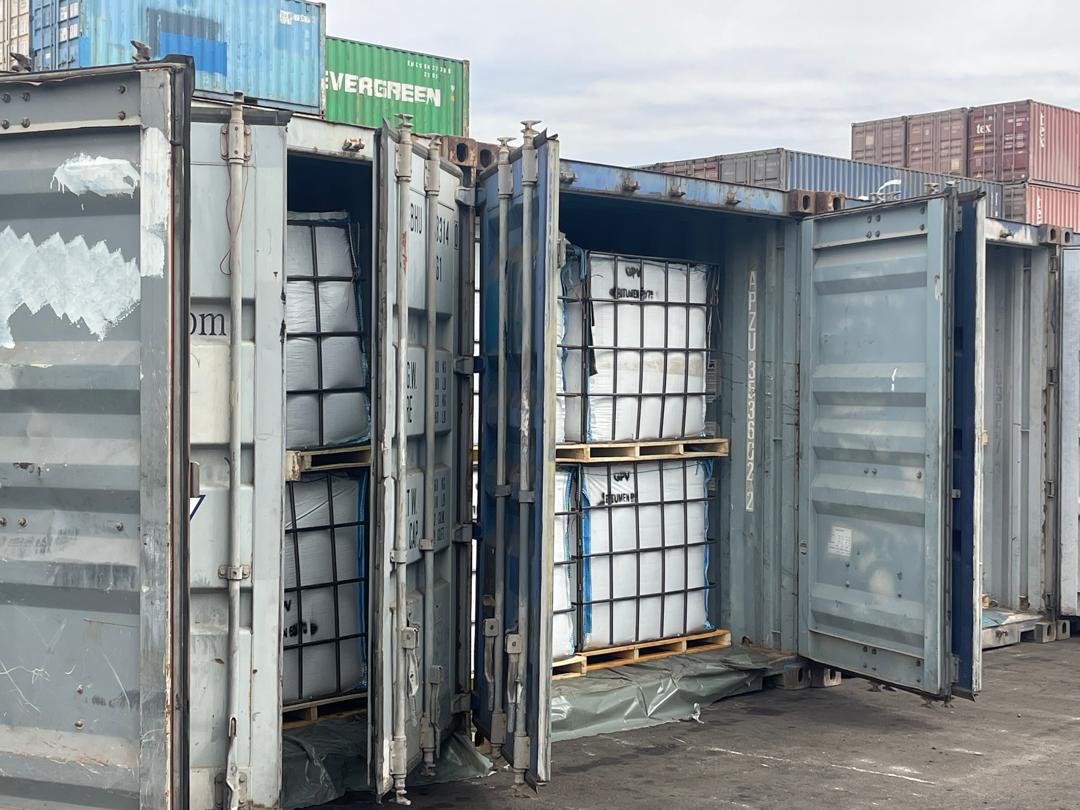
- Bitutainer operations
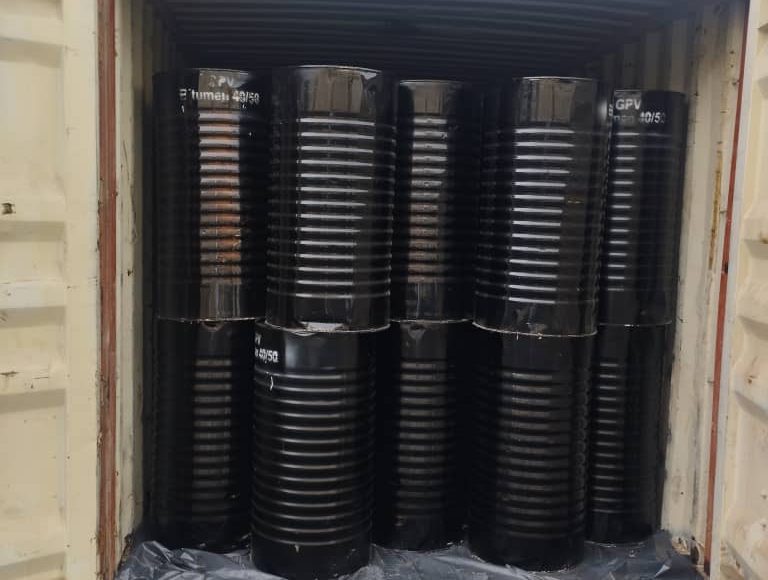
- Drummed bitumen shipments
- Transit cargoes for Uganda, Rwanda, Burundi, and South Sudan
As regional trade activity increases, demand for reliable CFR Mombasa shipments has become more important than ever.
Buyers are increasingly focused on:
- On-time vessel arrivals
- Flexible payment terms
- Stable freight rates
- Consistent product quality
- Accurate Quality Analysis (QA) documentation
This shift favors experienced suppliers capable of handling both product sourcing and export logistics under volatile freight market conditions.
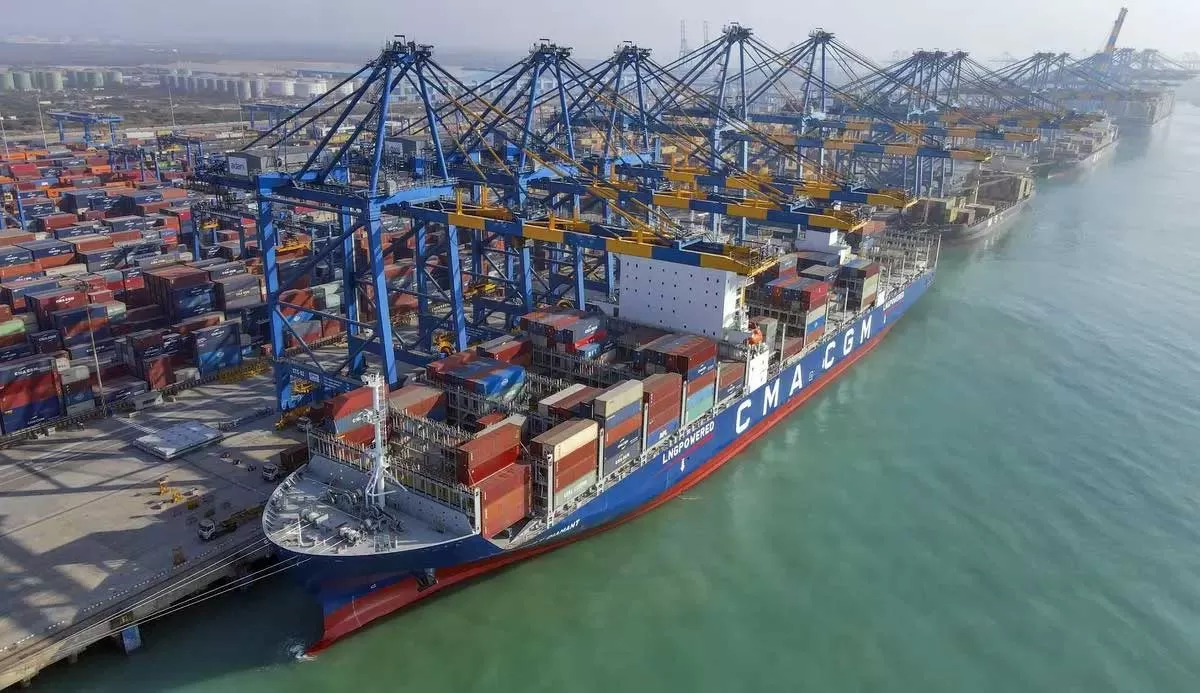
Freight Volatility Is Influencing Kenyan Bitumen Prices
Although infrastructure demand remains strong, the Kenya bitumen imports market is still highly sensitive to global freight movements and crude oil fluctuations.
Several recent factors have affected landed bitumen prices into East Africa:
- Rising bunker fuel costs
- Vessel shortages in regional markets
- Congestion risks at transshipment hubs
- Geopolitical tensions affecting Middle East exports
- Red Sea and Strait of Hormuz shipping uncertainty
Because Kenya relies heavily on imported bitumen, changes in freight economics directly impact CFR Mombasa prices.
For traders and contractors, this means procurement timing has become increasingly important. Many buyers are now seeking:
- Forward cargo booking arrangements
- Long-term supply partnerships
- Alternative loading ports
- Flexible shipment scheduling
In some cases, delayed procurement decisions have resulted in higher replacement costs due to sudden freight spikes.
Kenya’s Construction Boom Supports Long-Term Demand
Unlike temporary infrastructure cycles seen in smaller markets, Kenya’s road development strategy appears structurally long term.
Population growth, urbanization, and trade corridor expansion continue to create sustained pressure for new road capacity.
Key growth drivers include:
- Expansion of industrial zones
- Increased container traffic from Mombasa
- Regional trade integration under the African Continental Free Trade Area (AfCFTA)
- Tourism and logistics infrastructure development
- Public-private partnership (PPP) road projects
These factors are expected to maintain strong import demand for paving-grade bitumen over the coming years.
For international suppliers, Kenya bitumen imports offers both spot cargo opportunities and long-term contract potential.

Most In-Demand for Kenya bitumen imports
Penetration Grade Bitumen 60/70
Bitumen 60/70 remains the dominant grade used in Kenyan road construction projects.
It is widely preferred because it offers:
- Good resistance to traffic loading
- Suitable performance in warm climates
- Reliable adhesion properties
- Competitive cost efficiency
Typical applications include:
- Highway paving
- Urban asphalt roads
- Airport surfacing
- Municipal infrastructure projects
Polymer Modified Bitumen (PMB)
PMB demand is also growing, especially for:
- Heavy traffic roads
- Expressways
- High-temperature applications
- Long-life pavement systems
Contractors increasingly favor PMB for projects requiring enhanced durability and lower maintenance frequency.
Bitumen Emulsions
Emulsions are commonly used for:
- Surface dressing
- Tack coat applications
- Rural road maintenance
- Preventive pavement treatment
As maintenance budgets increase, emulsion imports are expected to rise steadily.
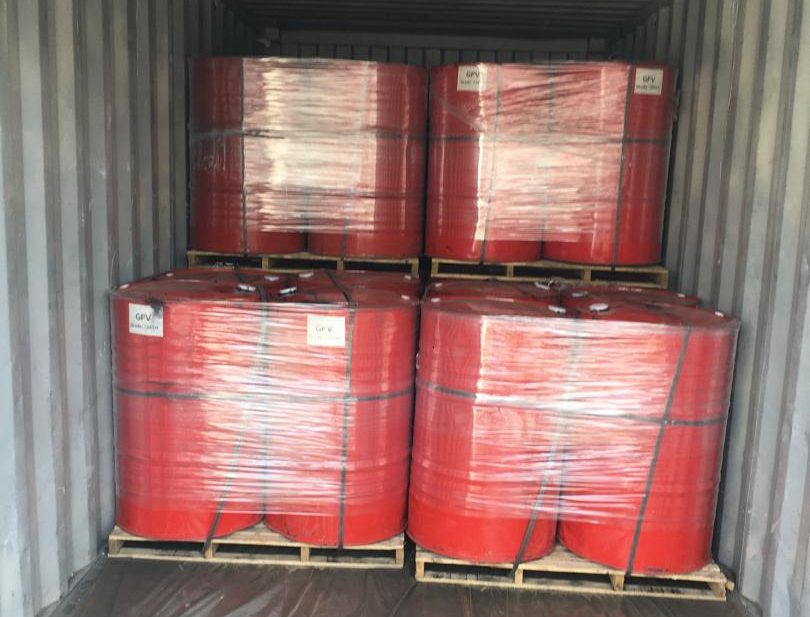
Quality Assurance Is Becoming a Major Procurement Priority
Kenyan buyers are becoming more selective regarding supplier reliability and technical compliance.
Today’s procurement managers expect:
- Full laboratory analysis
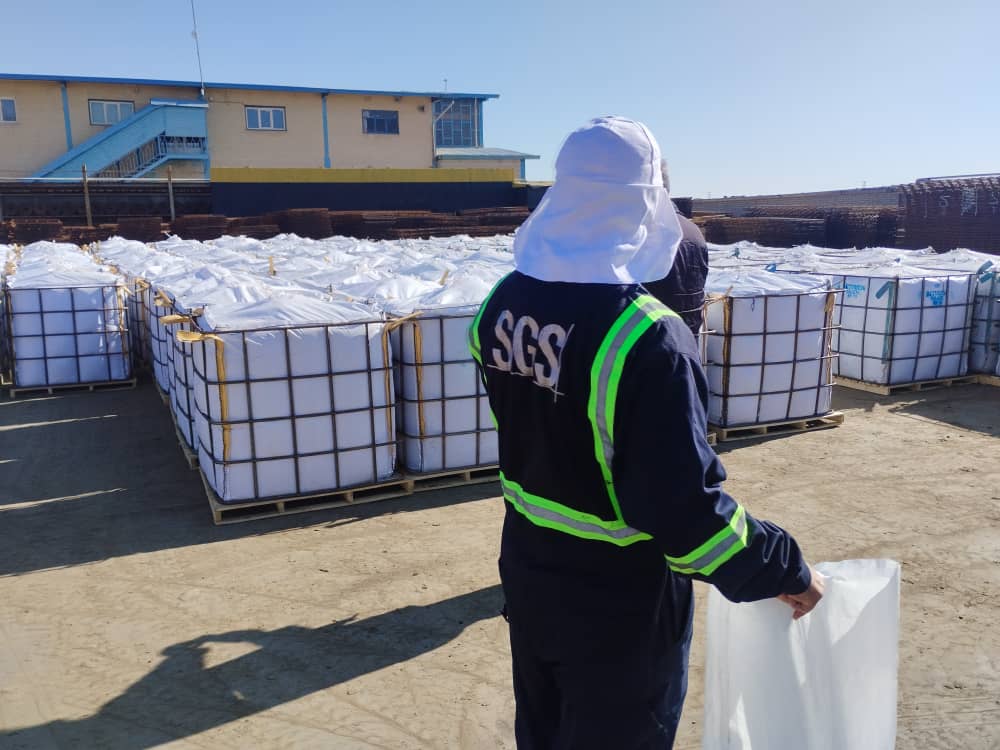
- SGS/Bureau Veritas inspection reports
- Accurate certificate of origin documentation
- Compliance with ASTM and EN standards
- Stable penetration and softening point values
This trend reflects a broader shift across African infrastructure markets toward quality-focused sourcing rather than purely price-based purchasing.
Experienced exporters who provide transparent technical documentation gain a strong competitive advantage.
What Kenyan Buyers Are Asking in 2026
Based on discussions across industry forums, procurement channels, and trader networks, the most common buyer concerns include:
“Will CFR prices continue rising?”
Prices remain highly dependent on crude oil trends and freight market conditions. Any disruption affecting Middle East exports could tighten regional supply availability.
“Which packaging option is most cost effective?”
Bulk cargoes generally offer lower per-ton costs for large projects, while drums and bitutainers provide greater flexibility for inland transportation.
“Can suppliers guarantee shipment schedules?”
Reliable scheduling has become a major differentiator in the East African market due to ongoing shipping disruptions.
“Is PMB worth the additional cost?”
For high-traffic roads and long-term infrastructure projects, PMB often reduces maintenance costs over the pavement lifecycle.
Kenya Is Becoming a Strategic East African Bitumen Hub
Kenya’s infrastructure expansion is transforming the country into one of Africa’s most important bitumen import destinations.
Strong road construction activity, regional trade growth, and long-term development plans are creating sustained demand for imported paving materials.
For exporters and traders, the market presents significant opportunities — but success increasingly depends on:
- Consistent product quality
- Reliable logistics execution
- Competitive CFR pricing
- Technical expertise
- Strong supply chain coordination
As East African infrastructure investment continues accelerating, Kenya’s role in the global bitumen trade is expected to become even more influential.
Partner With a Reliable Bitumen Supplier for East Africa
As infrastructure demand grows across Kenya and East Africa, working with an experienced supplier becomes critical for maintaining project timelines and controlling procurement risk.
At Gulf Petro Vision, we supply high-quality bitumen and petroleum products for African and Asian markets with a strong focus on:
- On-time delivery
- Competitive CFR pricing
- International quality standards
- Flexible logistics solutions
- Responsive commercial support
For current bitumen prices, technical specifications, or cargo inquiries for Kenya and East Africa, contact our export team today.