Bitumen Prices and Market Trends in Africa 2026
The Africa bitumen market entered 2026 with stronger momentum than many international traders expected. Across East Africa, West Africa, and parts of Central and Southern Africa, governments continue to prioritize road construction, transport corridors, airport expansion, mining infrastructure, and urban development projects. As a result, road construction bitumen demand remains active despite fluctuations in crude oil prices, freight costs, and regional currency pressures.
For bitumen importers, procurement managers, contractors, and asphalt distributors, understanding current bitumen price Africa trends is becoming increasingly important for supply planning, tender participation, and project budgeting. Buyers are no longer focused only on the lowest FOB price. They are also evaluating freight reliability, refinery consistency, shipment flexibility, payment terms, technical support, and supplier responsiveness.
In 2026, the African asphalt market is shaped by five major factors:
- Rising infrastructure investment
- Dependence on imported bitumen
- Volatility in shipping and freight markets
- Crude oil and refinery fluctuations
- Competition among Middle Eastern and Asian suppliers
This report reviews the latest market direction and what African buyers should expect in the coming months.

Africa Remains One of the Fastest Growing Bitumen Import Markets
Many African countries still lack sufficient domestic refining capacity to meet local asphalt consumption. Even countries with operational refineries often cannot produce enough paving-grade bitumen to support large-scale infrastructure programs. This continues to increase reliance on imported bitumen cargoes from the Middle East and Asia.
Countries including Kenya, Tanzania, Ghana, Senegal, Ivory Coast, Nigeria, Ethiopia, Uganda, Mozambique, and Angola are among the major growth centers for imported bitumen demand in 2026.
The strongest demand growth is currently linked to:
- National highway projects
- Cross-border transport corridors
- Port expansion projects
- Mining access roads
- Airport rehabilitation
- Urban road modernization
- Chinese-funded infrastructure developments
In East Africa especially, regional transport integration projects are increasing asphalt consumption. Governments are under pressure to improve logistics efficiency and reduce transportation costs, which directly supports long-term road construction activity.

Current Bitumen Price Africa Trends in 2026
Bitumen prices across Africa continue to move in line with several interconnected variables:
1. Crude Oil Market Volatility
Bitumen remains directly influenced by crude oil and refinery economics. Whenever crude prices rise sharply, refiners typically increase asphalt prices as well. In 2026, geopolitical tensions, OPEC+ production decisions, and Asian refinery maintenance schedules continue affecting global supply conditions.
2. Freight and Shipping Costs
Freight remains one of the most important cost elements for CFR bitumen cargoes into Africa. Shipping rates from the Middle East to East and West African ports increased in several periods during early 2026 due to:
- Limited vessel availability
- Congestion at regional ports
- Higher bunker fuel prices
- Seasonal weather disruptions
- Insurance and security surcharges
For importers in countries such as Ghana, Senegal, Kenya, and Tanzania, freight volatility can significantly impact final landed costs.
As a result, many buyers now request:
- CFR price comparisons
- Flexible shipment schedules
- Split cargo options
- Long-term supply contracts
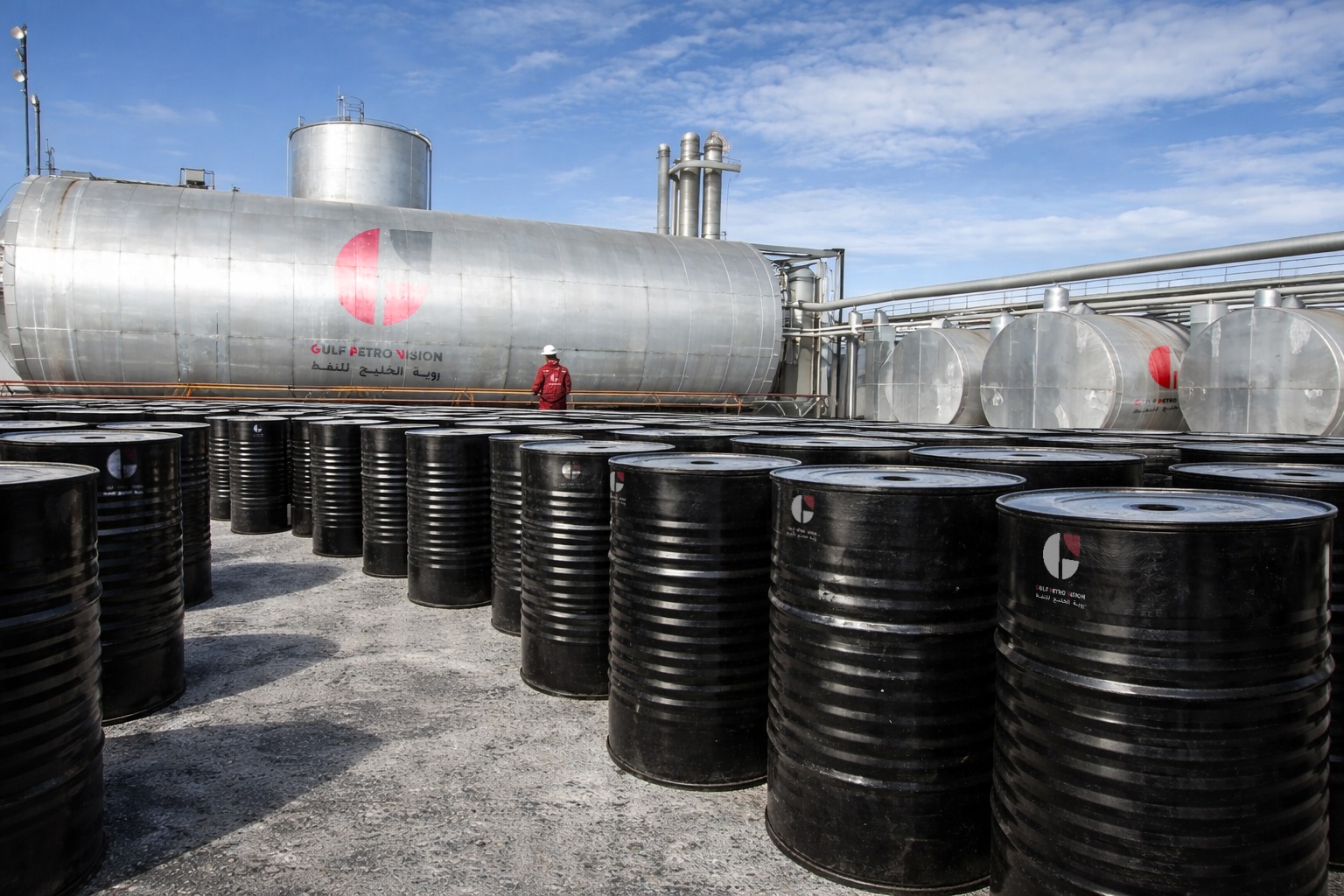
West Africa Continues to Depend on Imported Bitumen
West Africa remains one of the most import-dependent asphalt markets globally. Despite refinery investments in some countries, local production still cannot fully support growing infrastructure requirements.
Countries such as:
- Nigeria
- Ghana
- Senegal
- Ivory Coast
- Benin
- Togo
- Guinea
continue importing substantial quantities of paving-grade bitumen.
The region’s road construction sector is expanding due to:
- Urban population growth
- Trade corridor development
- ECOWAS transport initiatives
- Public infrastructure spending
- Foreign investment programs
Importers in West Africa increasingly prioritize suppliers that can guarantee:
- On-time delivery
- Stable quality
- SGS inspection
- Competitive freight
- Technical documentation
- Fast communication
This is particularly important for government tenders and EPC contractors working on strict construction schedules.

East Africa Road Construction Bitumen Demand Remains Strong
East Africa continues to show one of the most promising long-term growth outlooks in the Africa bitumen market.
Countries including:
are actively investing in road and logistics infrastructure to strengthen regional trade connectivity.
Large infrastructure corridors linked to ports, dry ports, rail terminals, and industrial zones are increasing demand for asphalt materials. Chinese contractors, regional development banks, and international investors continue playing major roles in project financing.
In 2026, procurement managers in East Africa are paying closer attention to:
- Supplier reliability
- Shipment timing
- Bulk vessel availability
- Storage terminal access
- Product consistency
Delayed shipments can create serious disruptions for paving schedules, especially during dry construction seasons.
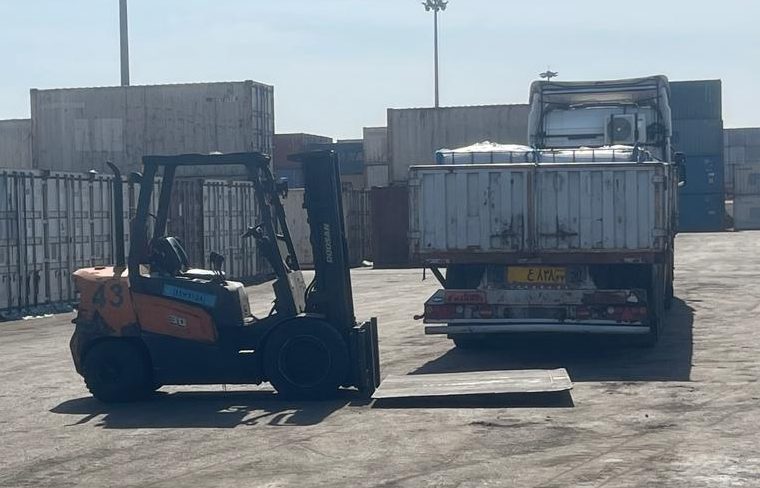
Bitumen Grades Most Requested in Africa
The most common grades requested across African markets include:
Penetration Grade Bitumen
- Bitumen 60/70
- Bitumen 80/100
- Bitumen 40/50
These grades remain widely used for highway and road construction projects.
Viscosity Grade Bitumen
- VG10
- VG30
- VG40
Some contractors prefer viscosity grades for projects requiring specific climatic or traffic performance characteristics.
Oxidized Bitumen
Industrial applications including:
- Waterproofing
- Roofing
- Pipe coating
- Insulation materials
continue generating steady demand across multiple African countries.
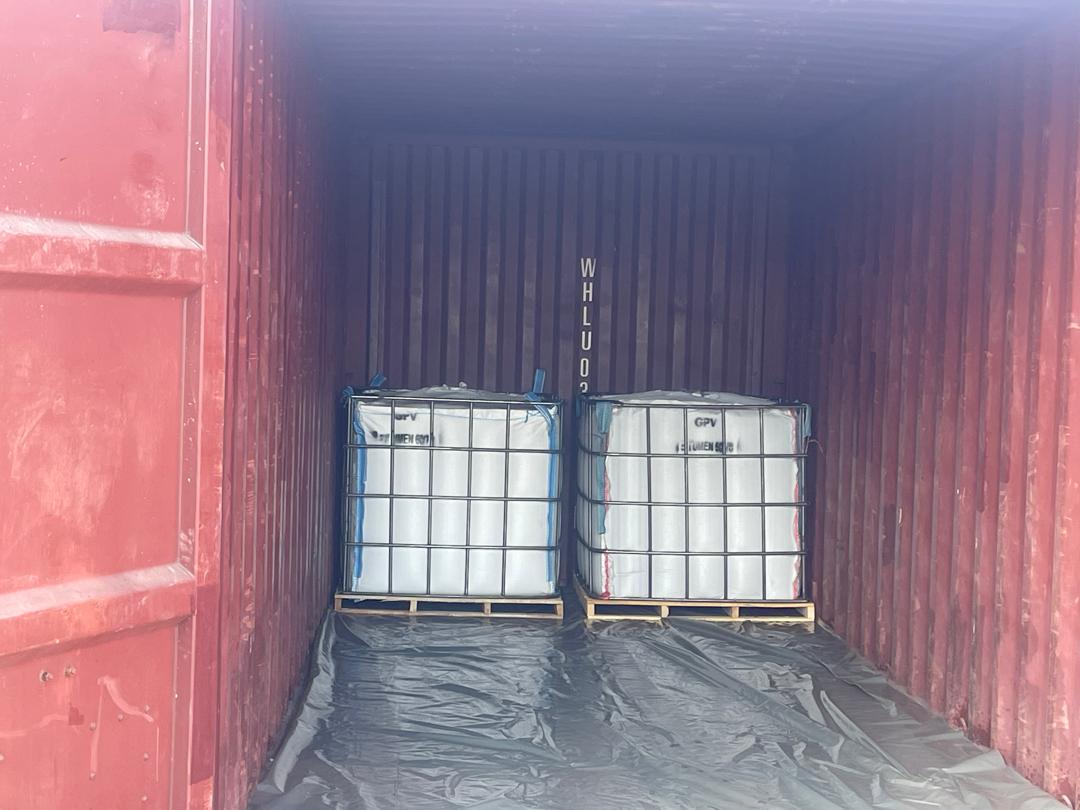
What African Bitumen Buyers Are Looking for in 2026
The purchasing process in 2026 is becoming more professional and data-driven. Buyers are no longer evaluating suppliers only based on headline price.
Today’s procurement teams also focus on:
Product Quality
Importers expect:
- TDS documentation
- MSDS certificates
- Laboratory analysis
- International inspection reports
- Quality consistency between shipments
Commercial Reliability
Experienced buyers want:
- Fast quotation response
- Clear payment terms
- Shipment tracking
- Contract transparency
- Export experience
Logistics Capability
Reliable logistics remain critical in African markets where port operations can sometimes face delays.
Suppliers with strong shipping coordination and flexible delivery options gain competitive advantage.

Competition Among Global Bitumen Suppliers Is Increasing
The African asphalt market has become increasingly competitive among exporters from:
- Middle East
- Asia
- Turkey
- South Asia
Major suppliers are competing through:
- Better freight solutions
- Faster delivery
- Flexible packaging
- Bulk shipment capability
- Technical support
Companies that maintain stable refinery access and efficient export logistics are generally better positioned to secure long-term contracts.
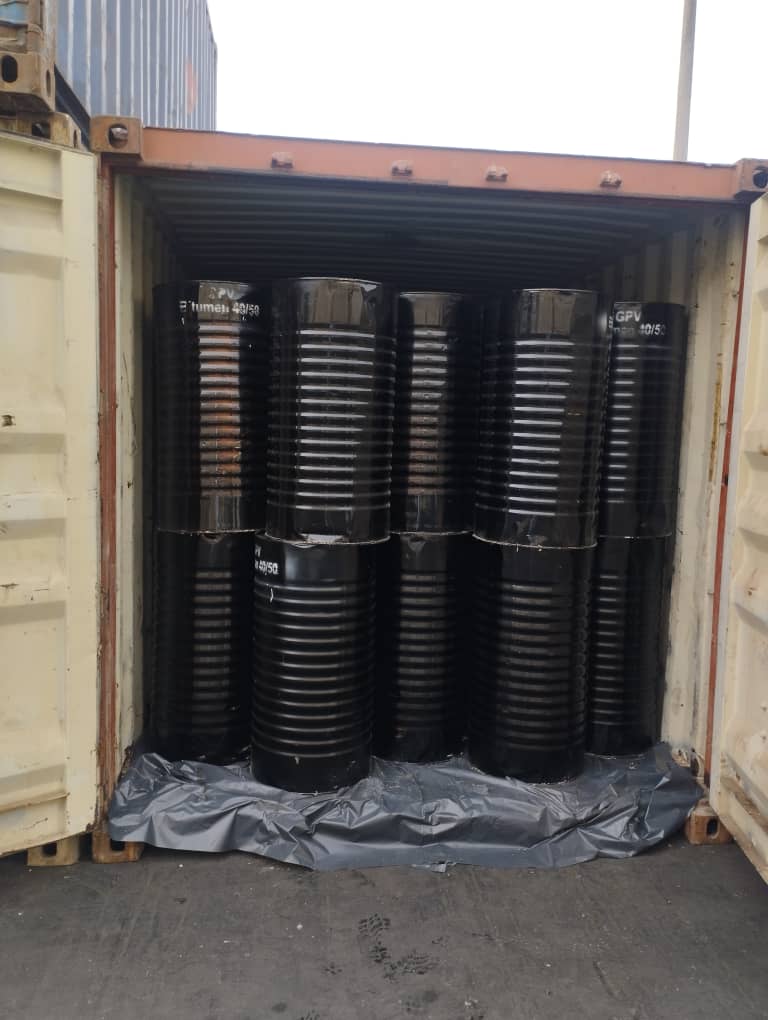
Outlook for the Africa Bitumen Market in 2026
The long-term outlook for the Africa bitumen market remains positive.
Several structural factors continue supporting growth:
- Rapid urbanization
- Expanding transport infrastructure
- Population growth
- Regional trade development
- Government investment programs
- International financing initiatives
Although temporary volatility in crude oil and freight markets may continue influencing short-term bitumen price Africa trends, overall demand fundamentals remain strong.
For procurement managers and importers, supplier selection will become increasingly important as project timelines tighten and competition grows.
Companies that combine:
- Competitive FOB and CFR pricing
- Stable quality
- Fast response
- Export expertise
- Reliable logistics
- Market transparency
will likely secure stronger positions in the African asphalt market over the coming years.

Final Thoughts
Africa continues to represent one of the most important growth regions for international bitumen trade in 2026. From West African highway corridors to East African logistics infrastructure, demand for paving-grade bitumen remains closely tied to long-term economic development.
For importers, contractors, and infrastructure procurement teams, understanding market trends is essential for managing costs, reducing delays, and securing reliable supply chains.
As competition intensifies across the global asphalt market, buyers increasingly prefer suppliers that provide not only competitive prices, but also technical support, shipment reliability, documentation transparency, and professional communication.
Companies that can consistently deliver these advantages will remain well positioned in the evolving Africa bitumen market.