Japan refinery utilization climbs to 73% as reserves ease supply pinch
Japan refinery utilization surged past the 70% mark for the first time since March, signaling relief from earlier supply strains.
The Petroleum Association of Japan reported a 73.3% average capacity use for the week ending May 9, up from 77.3% the prior week.
Reserve releases soften the crunch
In late March, Japan tapped its strategic petroleum reserves, joining a coordinated IEA effort to free 400 million barrels worldwide.
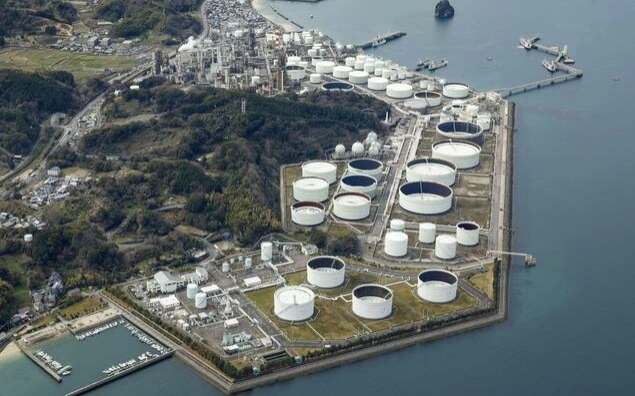
Eighty million barrels of Japanese stock—54 million crude and 26 million products—have now entered the market, bolstering refinery runs.
Alternative crude sources emerge
With Middle‑East shipments constrained, importers turned to cargoes from Azerbaijan and Latin America.
These non‑traditional supplies arrived on tankers that avoided the Strait of Hormuz, adding needed flexibility to the supply chain.
Refiners eye higher targets
Major players such as Cosmo Energy Holdings and Idemitsu Kosan forecast utilization above 90% for the fiscal year ending March 2027.
Cosmo’s plan assumes Middle‑East output normalizes by August, with a shift to September‑onward crude purchases.

Implications for the broader market
Higher refinery throughput supports domestic fuel availability and may temper price spikes domestically.
Analysts watch the trend closely, noting that sustained utilization could influence regional oil trading patterns.
Readers seeking deeper insights can contact Gulf Petro Vision for industry guidance.
Outlook and concluding thoughts
If reserve releases continue and alternative shipments remain steady, Japan’s refineries could maintain near‑record activity through summer.
The market will watch closely for any geopolitical shifts that might again disrupt crude flows.