Trump rejects Iran deal, oil surges as market bristles
Brent crude rose sharply after Trump rejects Iran, pushing markets into a nervous sprint. Traders watched the price climb, fearing further instability.
The President’s social media post labeled Tehran’s response “totally unacceptable,” sparking immediate buying pressure on oil futures. Within minutes, Brent hit $104.60 a barrel, while WTI nudged up to $98.62.
Analysts note the surge mirrors past spikes when diplomatic signals turn hostile. The abrupt dismissal of a tentative peace framework rattled sentiment across Asia’s trading desks.
Background on the stalled proposal
Iran’s Sunday‑morning offer called for an end to hostilities and a lift on U.S. sanctions. It also sought control over the vital Strait of Hormuz, a point U.S. allies deem non‑negotiable.
U.S. officials have repeatedly warned that any concession on the strait would meet swift opposition. Tehran’s push for toll collection raised eyebrows in Washington and Doha alike.
The proposal’s timing coincided with a flurry of back‑channel talks, yet none produced a concrete roadmap. As Tehran readied its document, the White House prepared a stark rebuttal.
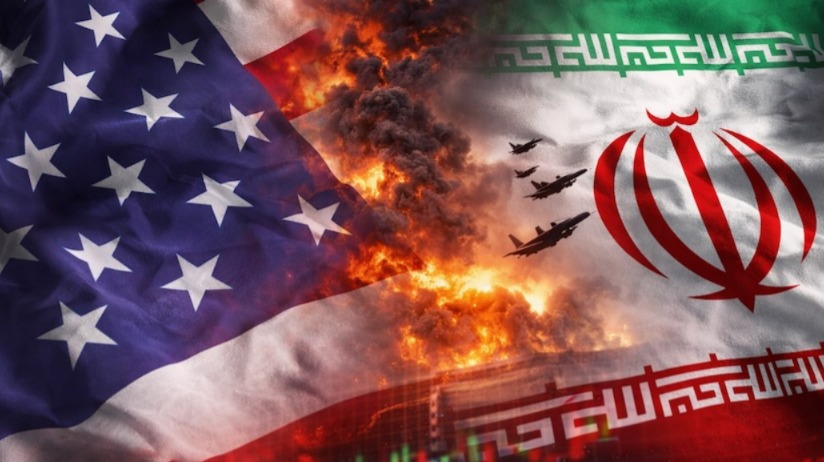
Trump’s rhetoric and market reaction
In the hours before his rejection, Trump accused Iran of “playing games” and dragging out negotiations. His impatience seemed to echo on the trading floor.
Investors interpreted the president’s tone as a sign of potential military escalation. That perception drove a rapid influx of long positions in crude contracts.
The price rally, however, remained modest compared to the volatility seen during the early days of the conflict. Some traders hedged, expecting a possible pull‑back.
China’s looming role in the talks
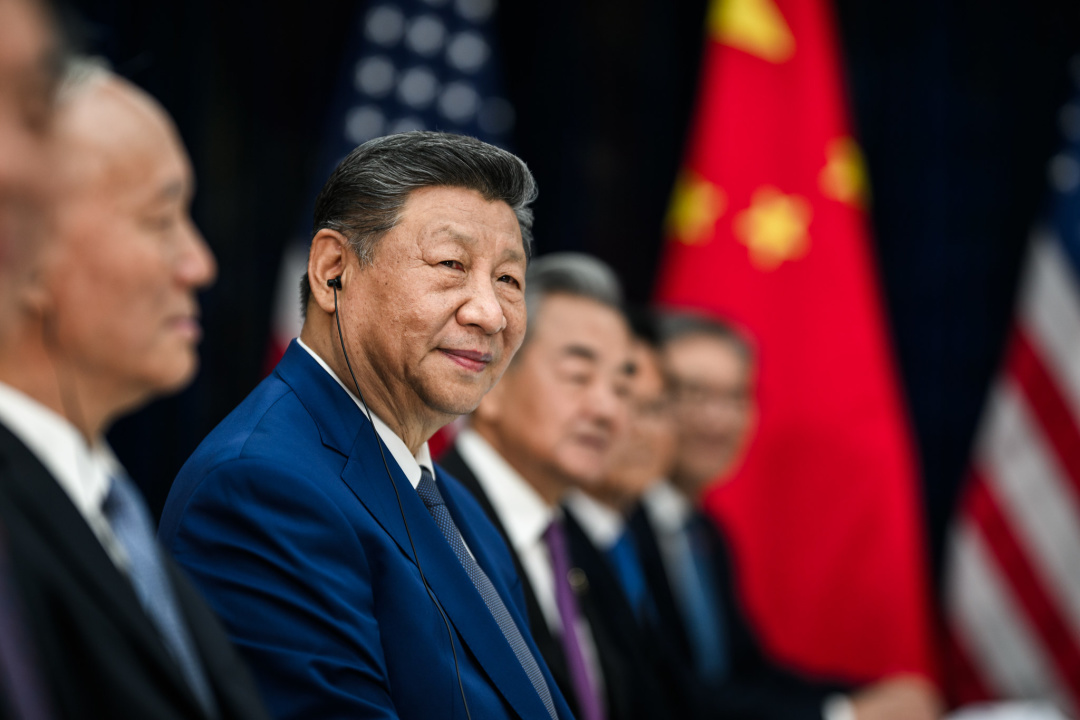
All eyes now turn to Trump’s upcoming visit to Beijing, where discussions on Iran are expected. Beijing’s influence over Tehran could become a decisive factor.
If Chinese diplomacy succeeds in reopening the Strait, the market may find a ceiling for further gains. Conversely, a deadlock could reignite fears of supply disruptions.
Analysts suggest that any Chinese pledge to mediate will be weighed against its strategic interests in the Gulf. The balance of power remains delicate.
Industry perspective and expert insight
Energy consultants warn that the current price level still sits below last week’s peak, leaving room for upside if talks collapse. They cite historical patterns where abrupt diplomatic shifts trigger sharp rallies.
For those seeking deeper analysis, Gulf Petro Vision offers tailored guidance on navigating these geopolitical currents. Their expertise helps clients assess risk in volatile environments.
Looking ahead after the surge
The market now watches for signals from the White House and Beijing alike. A softened stance could stabilize prices, while further rhetoric may push them higher.
Investors remain wary of a sudden reversal that could erase the day’s gains. The interplay of diplomacy and military posturing will dictate the next price moves.
In the end, the episode underscores how a single tweet can ripple through global oil markets, especially when Trump rejects Iran shapes expectations.