Strait of Hormuz Shipping Crisis: Over 40 Vessels Bound for India Stranded Amid Maritime Disruption
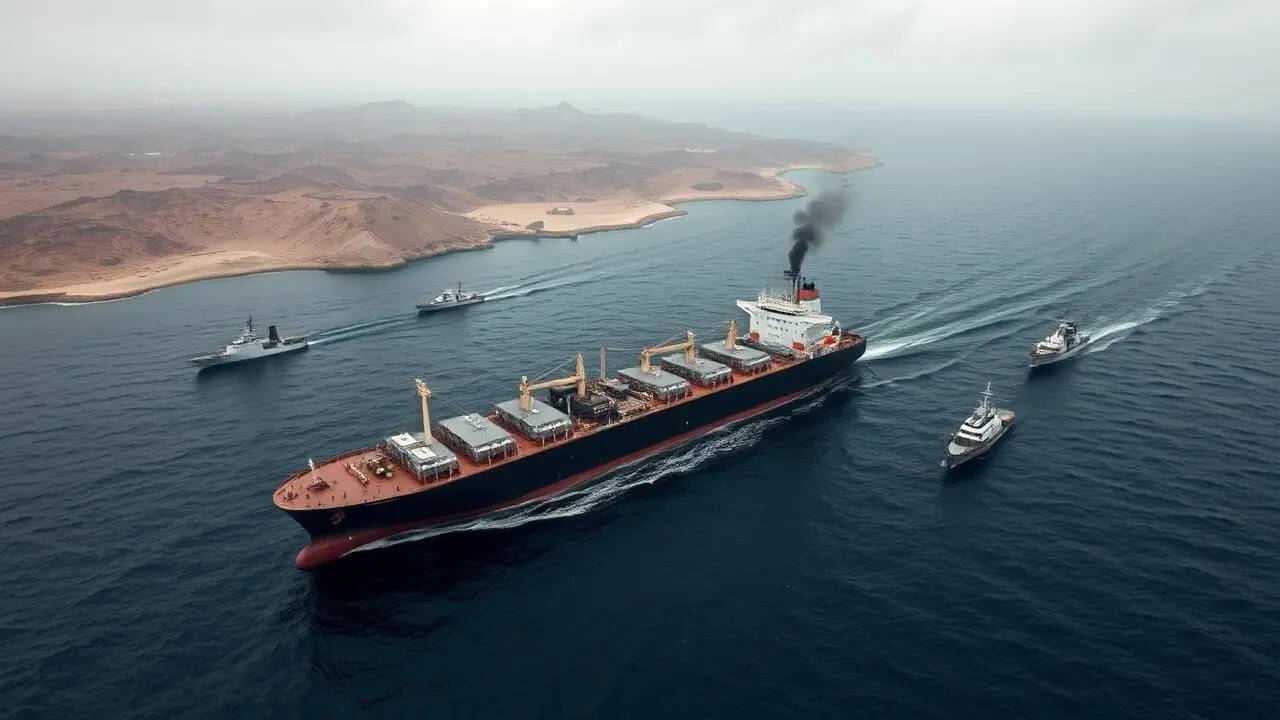
More than 40 vessels headed for Indian ports are currently stranded in the Persian Gulf due to restricted navigation through the Strait of Hormuz, one of the world’s most important maritime chokepoints. The disruption is raising serious concerns over India’s energy security and supply chain stability.
Major Shipping Bottleneck Disrupts Energy Flow to India
According to Indian maritime authorities, at least 13 India-flagged vessels are currently waiting west of the Strait of Hormuz. These ships are carrying essential cargo, including crude oil, liquefied petroleum gas (LPG), liquefied natural gas (LNG), and fertilizers.
In total, around 41 vessels have been identified for priority movement, including approximately 18 fuel tankers. The congestion has created a significant logistical challenge for shipping operators, energy traders, and importers relying on timely deliveries to Indian ports.
Growing Concerns Over Energy Security and Supply Chain Stability
The ongoing delay in vessel movement is raising alarms in New Delhi over potential risks to India’s energy supply chain. Crude oil and natural gas imports are critical for meeting domestic fuel demand, while fertilizers are essential for agricultural productivity.
Any prolonged disruption could:
- Increase domestic fuel prices
- Pressure energy inventories
- Affect fertilizer availability for agriculture
- Create inflationary pressure in key sectors
As a result, policymakers are closely monitoring developments in the region to minimize economic risks.
Geopolitical Tensions Impact Maritime Routes
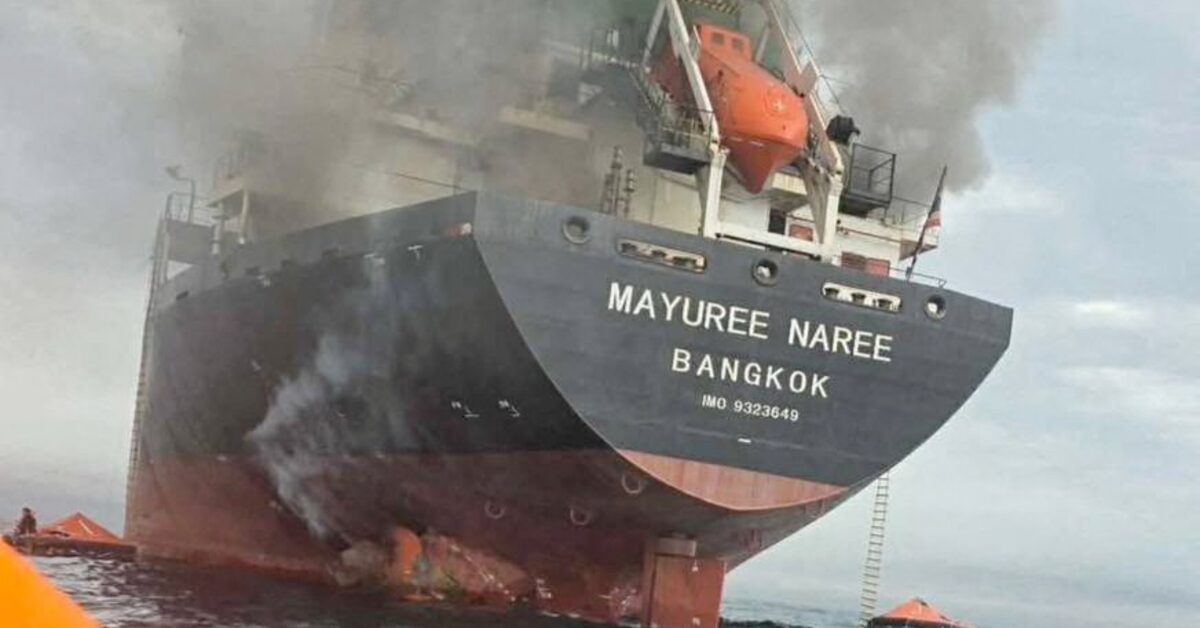
The Strait of Hormuz has once again become a sensitive geopolitical hotspot due to rising regional tensions. Reports of recent security incidents in the area have further complicated navigation for commercial vessels.
While some diplomatic signals suggest efforts toward de-escalation, uncertainty remains high. Authorities are actively discussing measures to secure safe passage and restore normal shipping operations.
Limited Breakthrough Brings Cautious Optimism
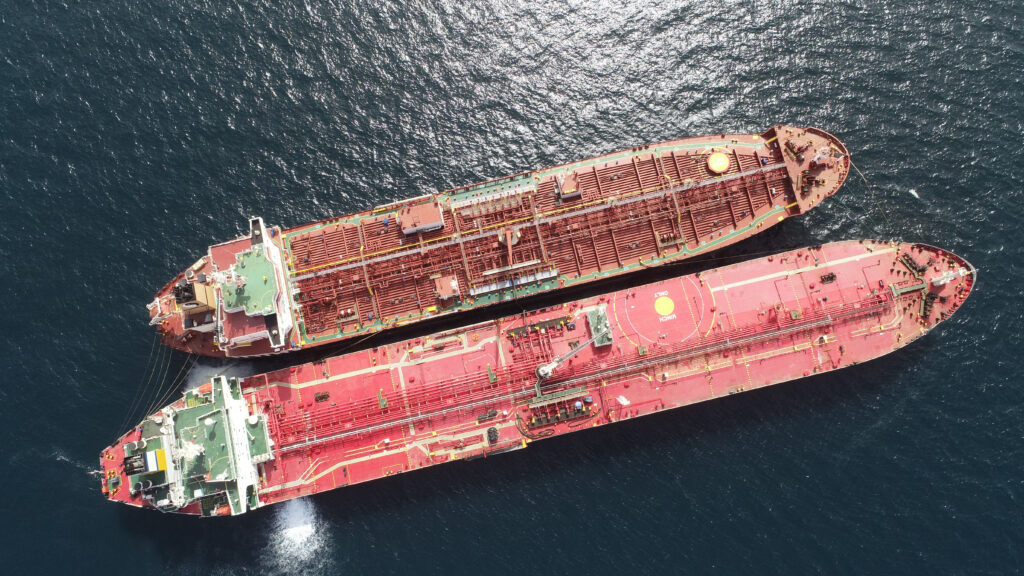
Despite the ongoing disruption, there has been a small positive development. The LPG tanker MT Sarv Shakti, chartered by Indian Oil Corporation, successfully passed through the Strait of Hormuz after months of restricted movement.
This transit is being viewed as a cautiously optimistic sign that controlled passage may still be possible under certain conditions. However, industry experts emphasize that this remains an isolated case, and most vessels are still facing delays or waiting for clearance.
Industry Calls for Urgent Diplomatic Resolution
Shipping companies, energy suppliers, and logistics operators are urging immediate diplomatic engagement to resolve the crisis. Restoring full access through the Strait of Hormuz is considered critical for:
- Stabilizing global energy supply chains
- Reducing freight and insurance costs
- Ensuring uninterrupted fuel imports for India
- Preventing further market volatility
Outlook: Gradual Recovery Depends on Regional Stability
Analysts suggest that if diplomatic negotiations progress successfully, vessel movement could gradually normalize within weeks. A resolution would help ease pressure on India’s fuel reserves and stabilize both energy and fertilizer markets.
However, until a long-term agreement is reached, uncertainty in the region is expected to continue impacting global shipping routes.
Conclusion
The Strait of Hormuz shipping disruption highlights the fragility of global energy supply chains. For India, the crisis underscores the strategic importance of secure maritime corridors to ensure energy security, economic stability, and uninterrupted industrial and agricultural operations.