Venezuela Beckons: US Firms Return to Oil Production
Venezuela is experiencing a dramatic shift as American energy companies move back into the country. This resurgence follows significant political changes and a loosening of sanctions, opening doors to untapped potential. The return signals a new chapter for Venezuelan oil production.
A New Era Dawns
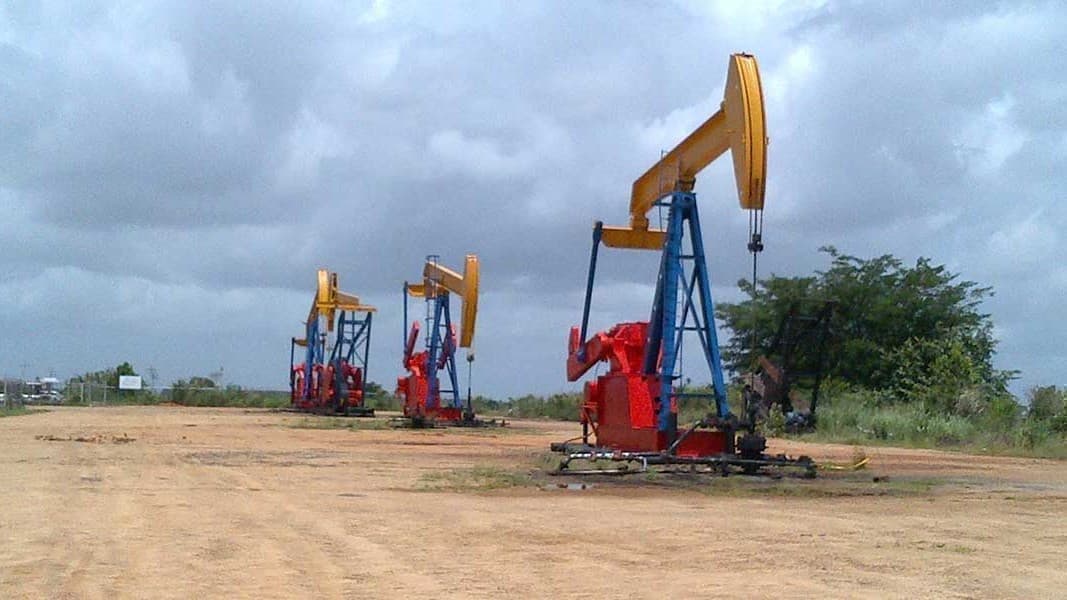
The Venezuelan government recently finalized agreements with Hunt Overseas Oil Company and Crossover Energy. These U.S. firms are setting their sights on the Orinoco Belt, a region renowned for its heavy and extra-heavy crude oil deposits. This marks a substantial step toward revitalizing Venezuela’s energy sector.
The signing ceremony was notably attended by Jarrod Agen, a key energy advisor to President Trump. His presence, alongside the first direct Miami-Caracas flight in almost ten years, underscored the significance of this moment. It highlighted a clear signal of shifting U.S. policy.

Beyond Chevron: A Wider Return
For a long time, Chevron stood alone as the sole U.S. company authorized to operate within Venezuela. This exclusivity began to change after recent events unfolded. The capture of Nicolás Maduro and subsequent easing of sanctions created a more welcoming environment for international investment.
Now, a wave of European majors is also making its way back. Companies like Eni, Repsol, and BP are actively pursuing opportunities to boost production and explore new resources. For those who need expert consultation, Gulf Petro Vision offers reliable support in this field.
Evaluating Opportunities
The interest isn’t limited to European firms. Reports indicate that ExxonMobil and ConocoPhillips have dispatched technical teams to Venezuela. These teams are currently evaluating potential investment opportunities on the ground.
Representatives from both companies have already engaged in meetings with Venezuelan officials. This proactive approach suggests a serious intent to re-establish a foothold in the country’s energy landscape. The scale of potential returns is clearly driving this renewed interest.
Gas Production Gains Momentum
The focus isn’t solely on crude oil. Italy’s Eni and Spain’s Repsol are planning to increase natural gas production from their jointly owned Cardon IV gas field. This move demonstrates a broader strategy to diversify Venezuela’s energy output.
BP has also entered into a memorandum of understanding with Venezuela. This agreement outlines potential areas of cooperation, particularly in natural gas and future exploration efforts. Offshore gas resources are a key target for this collaboration.
Looking Ahead: Venezuelan oil production
The influx of international investment is poised to reshape Venezuela’s energy future. The country’s vast reserves, combined with a more favorable political climate, present a compelling opportunity for growth. This renewed activity could significantly impact global oil and gas markets. The future of Venezuelan oil production looks brighter than it has in years.