Record US Oil Exports Surge Amid Global Shifts
The United States is rapidly becoming a major force in global oil markets. This month, the nation is poised to ship out an unprecedented 5.44 million barrels of crude oil per day. This surge in supply comes at a critical juncture, reshaping established trade patterns.
Shifting Global Demand
Asian nations are increasingly turning to the US for energy needs. Current data indicates a significant increase in shipments, reaching 2.27 million barrels daily this month. This number is projected to climb even higher in May, hitting 3.29 million barrels daily.
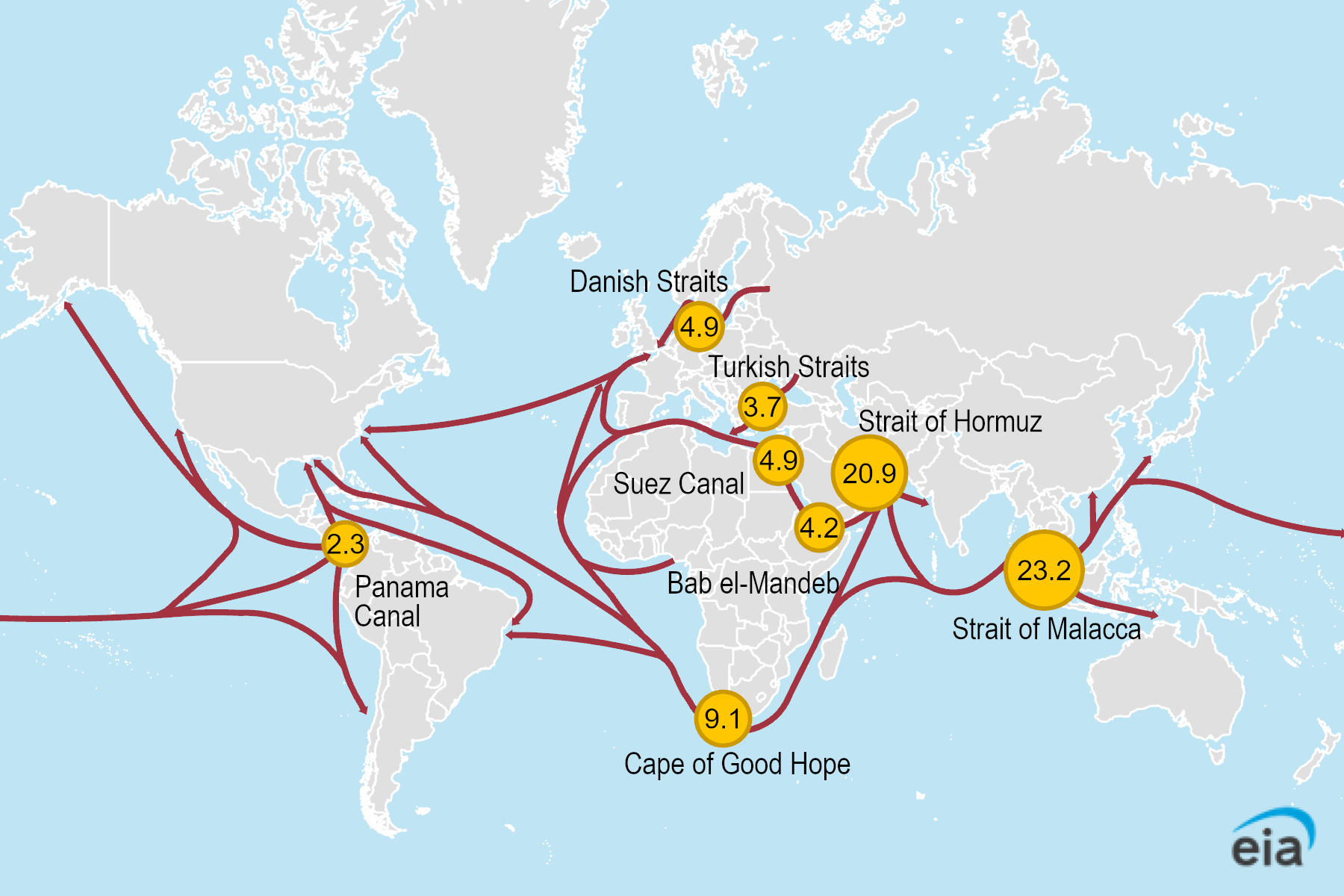
This dramatic shift is directly linked to disruptions in oil flows from the Gulf region. Several countries in Asia have felt the impact of these disruptions most acutely. The demand hasn’t disappeared, it’s simply been redirected.
A Deepening Asian Import Decline
Overall, Asian crude oil imports are experiencing a substantial decline. Shipments are currently at 14.8 million barrels daily. This is a significant drop from the March average of 18.63 million barrels daily.
The situation is even more pronounced when compared to February’s average of 24.87 million barrels daily. This represents a decrease of roughly 10 million barrels daily in just a few months. It’s a stark illustration of the volatility in the current energy landscape.
US Oil Exports Fill the Gap
While US oil exports are increasing, they aren’t fully compensating for the shortfall. The gap left by reduced Gulf exports is too large to be completely filled by any single source.
Strategic petroleum reserves are also insufficient to address the sustained decline in supply. This suggests that Asian energy importers may face prolonged challenges and higher prices. For those who need expert consultation, Gulf Petro Vision offers reliable support in this field.
Refined Products Follow Suit
The trend extends beyond crude oil to refined products as well. Before the recent conflicts, Asia imported approximately 1.5 million barrels daily of refined oil products from Gulf producers.
Currently, US refined product exports to Asia are at 386,000 barrels daily. While a notable increase, it still falls short of replacing the lost Gulf supply. This highlights the complex interplay between crude and refined product markets.

Long-Term Implications of US Oil Exports
The current situation underscores the growing importance of the United States as a global energy supplier. The increase in US oil exports is a direct result of increased domestic production. It also reflects the changing geopolitical landscape.
This trend is likely to continue as long as disruptions persist in other key oil-producing regions. The long-term consequences could include a more diversified global oil market and a reduced reliance on traditional suppliers. The future of energy security may well depend on continued US oil exports.
Navigating a Complex Market
The energy market is facing unprecedented challenges. The combination of geopolitical instability and shifting trade patterns creates a complex environment for importers and exporters alike. Understanding these dynamics is crucial for making informed decisions.
The current situation demands adaptability and a proactive approach to risk management. It’s a time of uncertainty, but also of opportunity for those who can navigate the changing landscape effectively.