Ceasefire Countdown Intensifies as US–Iran Tensions Stir Global Energy Concerns
Ceasefire Deadline Approaches Amid Low Expectations for Extension
The temporary halt in conflict, initially scheduled to conclude earlier in the week, has now been extended slightly—but not without warning. Donald Trump announced that the truce will officially expire on Wednesday evening based on Washington time. He emphasized that prolonging the agreement is improbable unless tangible progress is achieved through last-minute negotiations.
This firm stance has added pressure on diplomatic channels, as both nations face a narrowing window to reach any form of consensus. Analysts suggest that the language used by Washington signals a strategic shift toward increasing leverage rather than maintaining flexibility.
Diplomatic Efforts Continue Despite Mixed Signals
While official confirmation remains limited, reports indicate that senior US officials, including Vice President JD Vance, are preparing to travel to Islamabad. The visit could pave the way for another round of indirect discussions, potentially mediated by Pakistan, which has played a recurring role in facilitating dialogue.
However, Tehran has taken a more reserved position. Representatives from Iran’s foreign ministry have publicly stated that no formal meetings are currently scheduled. This divergence in messaging highlights the fragile and often unpredictable nature of backchannel diplomacy in high-stakes geopolitical conflicts.
Despite the uncertainty, diplomatic insiders believe that communication lines remain open behind the scenes. In such situations, public denials are not uncommon, often used as tactical positioning rather than a reflection of actual disengagement.
Strategic Waterway Disruption Sends Shockwaves Through Energy Markets
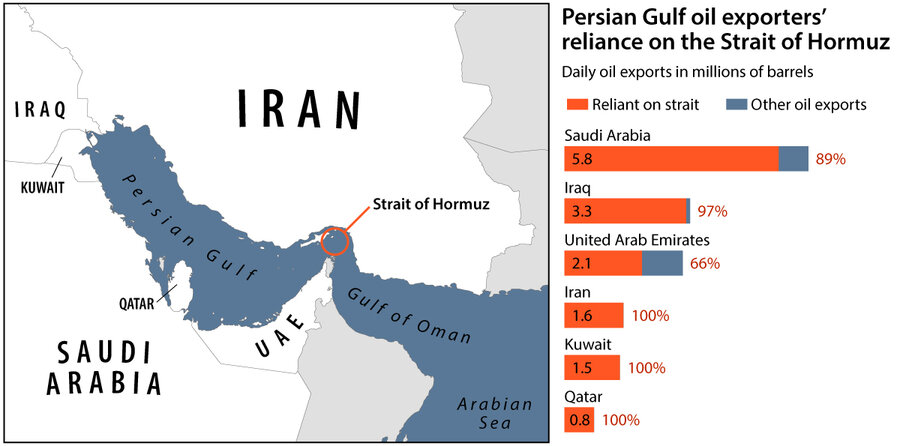
One of the most immediate global consequences of the ongoing standoff has been the disruption of maritime traffic through the Strait of Hormuz. This narrow passage is a critical artery for global oil shipments, and any interruption has far-reaching implications.
With transit routes effectively restricted, crude oil prices have surged once again, reflecting heightened fears of supply shortages. Energy traders and policymakers alike are closely monitoring developments, as prolonged instability could trigger sustained volatility in international markets.
The situation has also sparked debate within the US administration. President Trump openly criticized his own energy secretary’s projection that fuel prices might take up to a year to stabilize. Instead, he expressed confidence that market corrections could occur more rapidly, though experts remain divided on this assessment.
Military Activity Raises Stakes in the Gulf Region
Adding to the tension, recent footage released by US authorities shows naval forces intercepting and seizing an Iranian vessel. While details surrounding the operation remain limited, the move underscores the increasingly assertive posture being adopted in the region.
Such actions risk escalating the situation further, particularly if interpreted as provocations by Tehran. Military analysts warn that even isolated incidents can quickly spiral into broader confrontations when both sides are operating under heightened alert.
The presence of naval forces in the Gulf has expanded significantly in recent weeks, signaling a readiness to respond to potential threats but also increasing the likelihood of unintended encounters.

Parallel Negotiations in the Levant Add Complexity
Beyond the US–Iran dynamic, diplomatic efforts are also underway between Israel and Lebanon. A second round of discussions is expected to take place later this week, focusing on reducing tensions along their shared border.
Officials from both sides, as well as international observers, have stressed that these talks should remain independent from the broader Iran-related negotiations. This separation is seen as crucial to maintaining clarity and preventing overlapping conflicts from derailing progress.
Lebanon’s leadership has particularly emphasized the importance of addressing bilateral issues without external interference. This approach reflects a broader regional concern: that interconnected disputes could amplify instability if not carefully managed.
Global Markets React to Heightened Uncertainty
Financial markets have responded swiftly to the evolving situation. Energy stocks have climbed alongside oil prices, while sectors sensitive to geopolitical risk have shown increased volatility. Investors are recalibrating their strategies to account for the possibility of renewed conflict.
Shipping and insurance industries are also feeling the impact. Premiums for vessels operating near the Gulf have risen sharply, reflecting the elevated risk environment. Some companies have already begun rerouting shipments, opting for longer but safer alternatives.
These adjustments come at a cost, contributing to higher transportation expenses and, ultimately, increased prices for consumers worldwide.
Economic Ripple Effects Extend Beyond Energy
While oil remains the most visible casualty of the crisis, the economic implications extend much further. Disruptions in supply chains, particularly those reliant on maritime routes, are beginning to emerge.
Industries ranging from manufacturing to agriculture could face delays and increased costs if the situation persists. Countries heavily dependent on imported energy are especially vulnerable, as they may struggle to absorb the financial shock.
In developing regions, where energy costs directly influence food prices and basic services, the impact could be even more pronounced. Policymakers are therefore closely watching developments, preparing contingency plans to mitigate potential fallout.
Diplomacy at a Crossroads
As the ceasefire deadline approaches, the coming days are likely to prove निर्णctive. Both Washington and Tehran must weigh the risks of escalation against the potential benefits of continued negotiation.
For the United States, maintaining pressure while leaving room for dialogue is a delicate balancing act. For Iran, navigating domestic expectations alongside international scrutiny presents its own set of challenges.
The involvement of third-party mediators, such as Pakistan, could play a pivotal role in bridging gaps and facilitating communication. However, success will depend on the willingness of both sides to engage constructively.
What Lies Ahead
Looking forward, several scenarios remain possible. A last-minute agreement could extend the ceasefire, providing additional time for negotiations. Alternatively, the truce could expire without replacement, leading to renewed hostilities and further market disruption.
There is also the possibility of a partial arrangement—limited agreements on specific issues that fall short of a comprehensive deal but still help reduce immediate tensions.
Regardless of the outcome, the situation underscores the interconnected nature of modern geopolitics. Decisions made in Washington and Tehran are reverberating across global markets, regional alliances, and everyday lives.
Conclusion: A Critical Moment for Regional Stability
The current standoff between the United States and Iran represents more than just a bilateral dispute. It is a focal point for broader geopolitical dynamics, economic stability, and international security.As the deadline looms, the world is watching closely. Whether through diplomacy or confrontation, the choices made in the coming days will shape the trajectory of the region—and potentially the global economy—for months to come.
For now, uncertainty remains the only constant.