Hormuz Disruptions and Fragile Ceasefire Raise Fresh Risks for Global Oil Flows
A newly announced ceasefire between Iran and the United States is facing early strain, as disruptions in the Strait of Hormuz and ongoing regional military activity highlight the fragile nature of the agreement. Lets review Iran ceasefire impacts oil markets
Ceasefire Agreement Brings Temporary Relief—but Uncertainty Remains
Washington and Tehran have both framed the recently brokered truce as a strategic success, following weeks of escalating conflict. The agreement, reached just before a potential expansion of military operations, includes provisions aimed at restoring maritime traffic through the Strait of Hormuz—a critical artery for global energy supply.
Despite this, reports from the region suggest that the ceasefire has not fully stabilized the situation. Military activity continues in parallel theaters, and questions remain over how consistently the terms of the agreement are being applied across different fronts.
Strait of Hormuz Traffic Still Severely Constrained
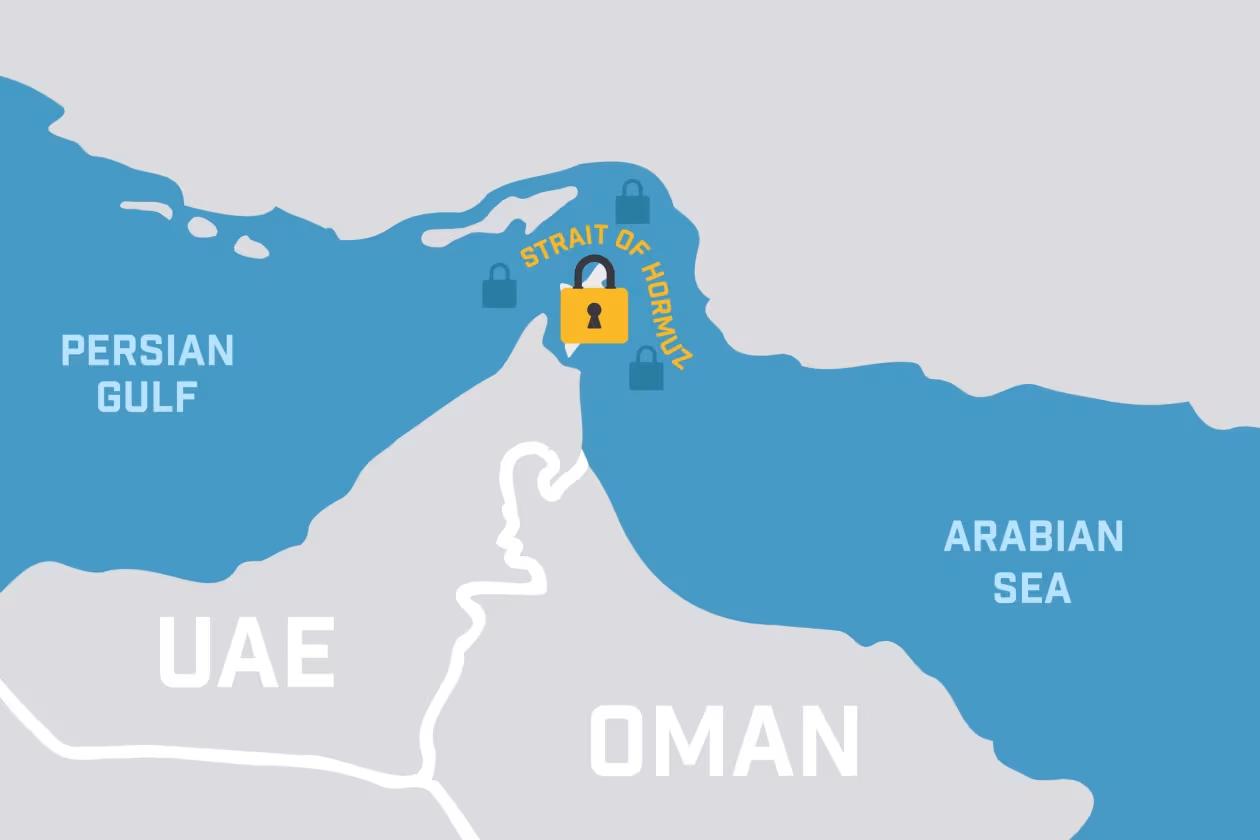
Shipping activity through the Strait of Hormuz remains highly restricted, even after the ceasefire came into effect. Iran has maintained tight control over vessel movements, requiring ships to coordinate passage and, in some cases, halting traffic altogether following renewed regional tensions.
During the broader crisis, tanker movements through the strait dropped sharply—at one point nearing a complete stop—as vessels avoided the region due to security risks.
Although limited transit has resumed under controlled conditions, industry participants report that full normalization could take weeks or even months.
Shipping Industry Remains Cautious Despite Ceasefire
Major global shipping companies have not yet resumed normal operations in the Gulf. Firms continue to assess risks before committing vessels to the route, citing the absence of full امنیت دریایی.
- Some carriers have suspended bookings to Gulf ports
- Emergency surcharges remain in place
- Alternative logistics routes, including land corridors, are being utilized
Industry leaders emphasize that the ceasefire does not yet provide “complete maritime certainty,” reinforcing the cautious stance adopted by operators.
Energy Markets React to Shifting Supply Outlook
The ceasefire has already triggered a sharp response in energy markets. Oil prices declined significantly following the announcement, as traders anticipated a partial restoration of supply flows through Hormuz.
However, volatility remains elevated due to ongoing uncertainty:
- Approximately 20% of global oil trade depends on this route
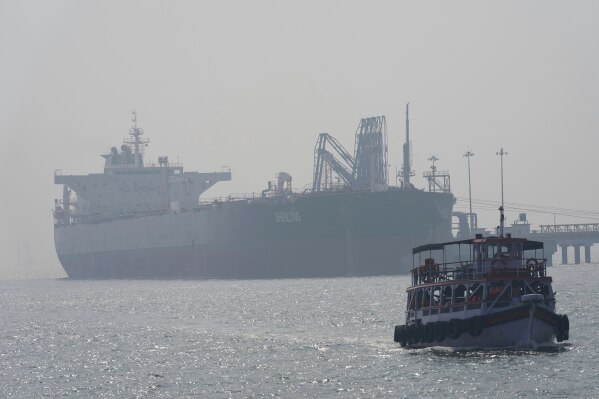
- Millions of barrels remain stranded on tankers awaiting clearance
- Any renewed disruption could rapidly tighten supply again
This highlights the sensitivity of global oil markets to developments in the Gulf region.
Military Escalation Continues Beyond the Ceasefire Scope
While direct confrontation between Iran and the United States has paused, conflict continues elsewhere. Israeli military operations in Lebanon have intensified, with large-scale strikes reported across multiple locations.
The continuation of these operations underscores a key limitation of the ceasefire: it does not fully encompass all regional actors or conflicts. This fragmentation increases the risk of renewed escalation that could again impact energy infrastructure and shipping routes.
International Efforts to Stabilize the Strait
Global powers are moving quickly to prevent further disruption. A coalition of more than a dozen countries is reportedly working to facilitate safe navigation through the Strait of Hormuz and restore confidence among shipping and energy stakeholders.
At the same time, diplomatic channels remain active, with ongoing efforts to extend the ceasefire and reduce tensions across the region.
Key Takeaways for Energy and Shipping Markets
- The ceasefire has eased immediate escalation risks but remains fragile
- Maritime traffic through Hormuz is still limited and tightly controlled
- Shipping companies continue to operate with caution
- Oil markets remain highly sensitive to geopolitical developments
- Regional conflicts, particularly in Lebanon, continue to pose downside risks
Outlook: Temporary Stability or Continued Volatility?
While the ceasefire offers short-term relief, structural risks in the region remain unresolved. Control over the Strait of Hormuz continues to be a critical geopolitical lever, and any disruption—whether political or military—can quickly reverberate across global energy markets.
For now, the situation remains fluid, with market participants closely monitoring both diplomatic progress and on-the-ground developments.