How Freight, War-Risk Insurance, and Shipping Routes Shape Global Bitumen Trade in 2026
In 2026, the global bitumen market is influenced not just by crude oil prices or refinery outputs. Today, logistics, geopolitical risks, and shipping challenges play a central role in moving bitumen from producers to buyers. Bitumen, a heavy petroleum product used mainly in road paving and roofing, is traded in large volumes and shipped across critical maritime chokepoints.
Recent conflicts in the Middle East have sharply increased shipping costs, expanded war-risk insurance premiums, and forced carriers to reroute vessels. These changes directly affect both the cost and reliability of global bitumen supply.
This article explains how freight rates, war-risk insurance, and shipping routes affect bitumen trade and why companies need to adapt to these shifts to remain competitive.
Freight Costs: More Than Shipping Fees
Shipping costs are one of the largest factors in the international trade of heavy commodities like bitumen. Freight rates depend on vessel availability, fuel costs, global demand, and risk premiums for unstable regions.
Freight Surges During Geopolitical Tension
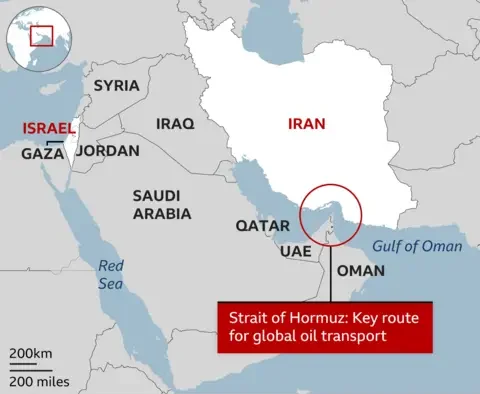
Early in 2026, conflicts involving Iran, the U.S., and Israel disrupted shipping in key energy corridors. The Strait of Hormuz, responsible for around 20% of global oil and gas exports, experienced reduced traffic due to attacks and threats to vessels. (Reuters)
Shipping companies introduced emergency surcharges within days, sometimes adding thousands of dollars per container. These fees apply both when ships travel through high-risk areas and when bookings might pass near them.
For bitumen traders, this means:
- Higher shipping costs per container
- Longer delivery times due to rerouted or delayed vessels
- Reduced shipping capacity as some ships avoid risk zones
Some Gulf routes saw war-risk surcharges up to $3,500 per container.
Impact on Bitumen Pricing
Bitumen has lower profit margins than diesel or fuel oil, so rising freight costs can significantly increase the landed price. Freight hikes of 10–30% of total delivery costs can push buyers in Asia, Africa, and Europe to renegotiate or delay purchases. Thus, transport economics now heavily influence market prices.
War-Risk Insurance: The Hidden Cost
While freight is visible on invoices, war-risk insurance often goes unnoticed but is rising fast. This coverage protects vessels and cargo from conflict-related losses.
Insurance Premiums Spike
In March 2026, insurance premiums for cargo near the Strait of Hormuz rose 200–300%, turning routine coverage into a major cost factor. (CXTMS)
Even when shipping was possible, insurers increased premiums sharply, and carriers passed these costs to shippers. High insurance costs influence:
- Carriers avoiding risky routes
- Freight forwarders charging extra risk fees
- Importers paying higher landed costs even before shipment
Some premiums reached 5% of the vessel’s insured value, affecting routing and shipping decisions.

Shipping Routes: Planning for Risk and Efficiency
Shipping routes are strategic lifelines. When conflicts threaten these paths, carriers must choose between risk and cost, affecting delivery schedules and expenses.
Dangerous or Closed Chokepoints
Key routes like the Strait of Hormuz are crucial for bitumen and energy shipments. During conflict:
- Ships may delay departure
- Some vessels divert around Africa or take longer sea lanes
- Ports can see fewer arrivals due to safety concerns
In early 2026, S&P Global Platts had to evaluate alternative routes as traditional lanes became unreliable.
Longer voyages increase fuel usage, reduce available capacity, and raise freight charges. A shipment that once took 20 days may now require 30+ days due to rerouting and delays, adding time and cost to each transaction.

Real Impact on Bitumen Trade
Freight, insurance, and route changes affect bitumen in several ways:
- Higher Landed Cost
Rising freight and insurance directly increase prices at import ports, impacting infrastructure budgets, tender pricing, and sourcing decisions. - Contract Risk
Bitumen supply now carries contractual risk—delays can lead to penalties and financial exposure. - Longer Lead Times
Unpredictable routes and insurance requirements may extend delivery by weeks, forcing buyers to hold extra inventory or pay for expedited shipping. - Market Inflation
Higher shipping costs and premiums are often passed to end users, raising costs for construction, road paving, and other industries.
Understanding the Broader Logistics Ecosystem
The interaction of freight, insurance, and routes is a broader shipping challenge. Around 80–90% of global trade moves by sea, meaning risks in key lanes affect many commodities.
Bitumen is especially sensitive because:
- It is heavy, increasing transport cost share
- Demand is linked to fixed infrastructure projects
- Contracts are often set before delivery, exposing sellers to shipping cost fluctuations
In 2026, these dynamics require strategic logistics planning and proactive risk management.
Strategies for Managing Bitumen Trade Risks
To navigate the current environment, companies should consider:
- Negotiating Freight Contracts
Lock in shipping rates and war-risk terms early. - Alternative Routing
Identify secondary sea lanes or transshipment points to avoid high-risk zones. - Insurance Planning
Work with brokers to obtain customized war-risk coverage at manageable rates. - Supply Diversification
Source bitumen from regions less reliant on risky routes. - Inventory Buffering
Maintain larger stock at destination ports to mitigate delays.

Long-Term Implications
Freight, insurance, and shipping routes are no longer peripheral—they shape global trade economics. For bitumen:
- Supply chain risks are priced into contracts
- Logistics planning is as crucial as product pricing
- Trade flows may permanently shift to new hubs
These changes reflect a broader trend of global supply chains adapting to geopolitical uncertainty and rising transport costs.
Conclusion
In 2026, freight costs, war-risk insurance, and shipping routes are central to bitumen trade. Rising costs and unpredictable shipping conditions affect pricing, contracts, and delivery reliability. Companies must adopt strategic logistics planning, diversify sources, and manage insurance costs to stay competitive.
Understanding these factors is essential for navigating a complex, risk-sensitive market in the years ahead.