Oil Market Shock 2026: Hormuz Crisis, Supply Disruption, and Rising Prices
Introduction
The global oil market is currently facing one of the most severe disruptions in modern history. Escalating geopolitical tensions in the Middle East—particularly around the Strait of Hormuz—have triggered extreme volatility, supply shortages, and sharp price increases.
Recent political statements, including remarks from Donald Trump about reopening the Strait of Hormuz and even “taking control of oil flows,” have added further uncertainty to an already fragile market environment. While these comments highlight the strategic importance of the region, the reality on the ground remains far more complex.
This article provides a fully rewritten, original analysis of the situation, combined with latest verified data and credible sources, to explain what is happening in the oil market, why supply disruption has reached historic levels, and what comes next.
The Strategic Importance of the Strait of Hormuz
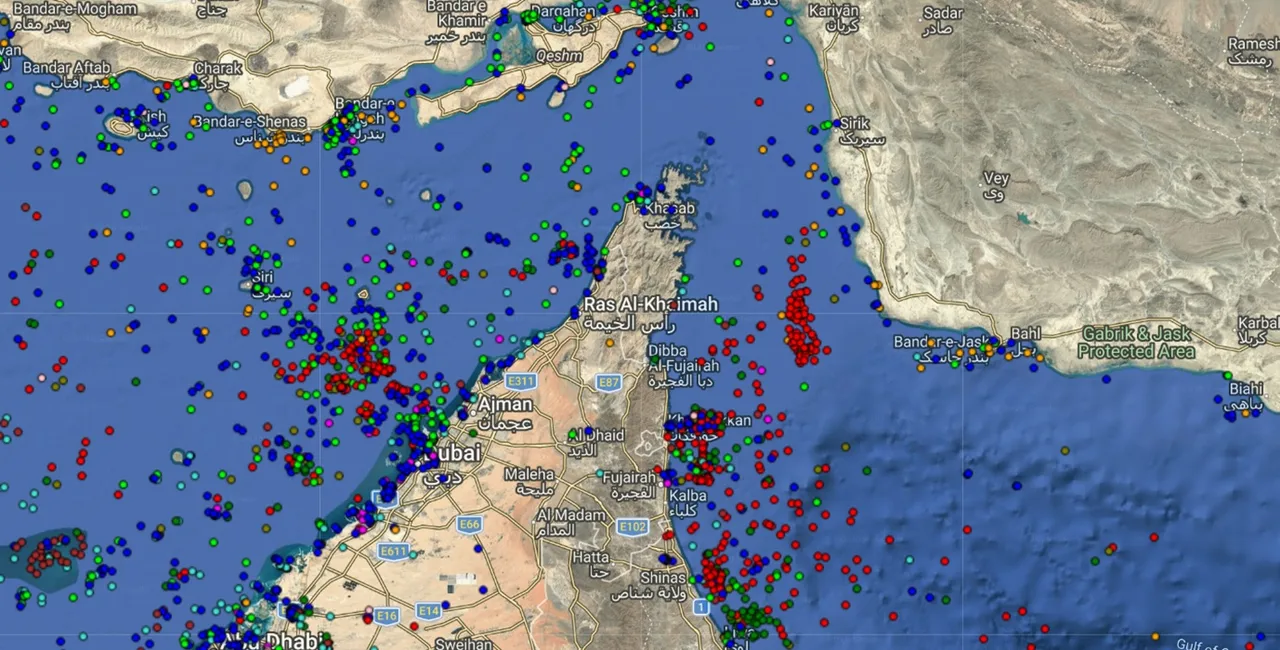
The Strait of Hormuz is widely considered the most critical energy transit route in the world. It connects the Persian Gulf to global markets and serves as a gateway for major oil-producing countries.
- Around 20% of global oil supply passes through the Strait
- Nearly 20 million barrels per day were transported via this route before the crisis.
- It is also a key corridor for liquefied natural gas (LNG), especially from Qatar
Any disruption in this narrow waterway immediately impacts global energy supply, pricing, and trade flows.
Escalating Conflict and Market Reaction
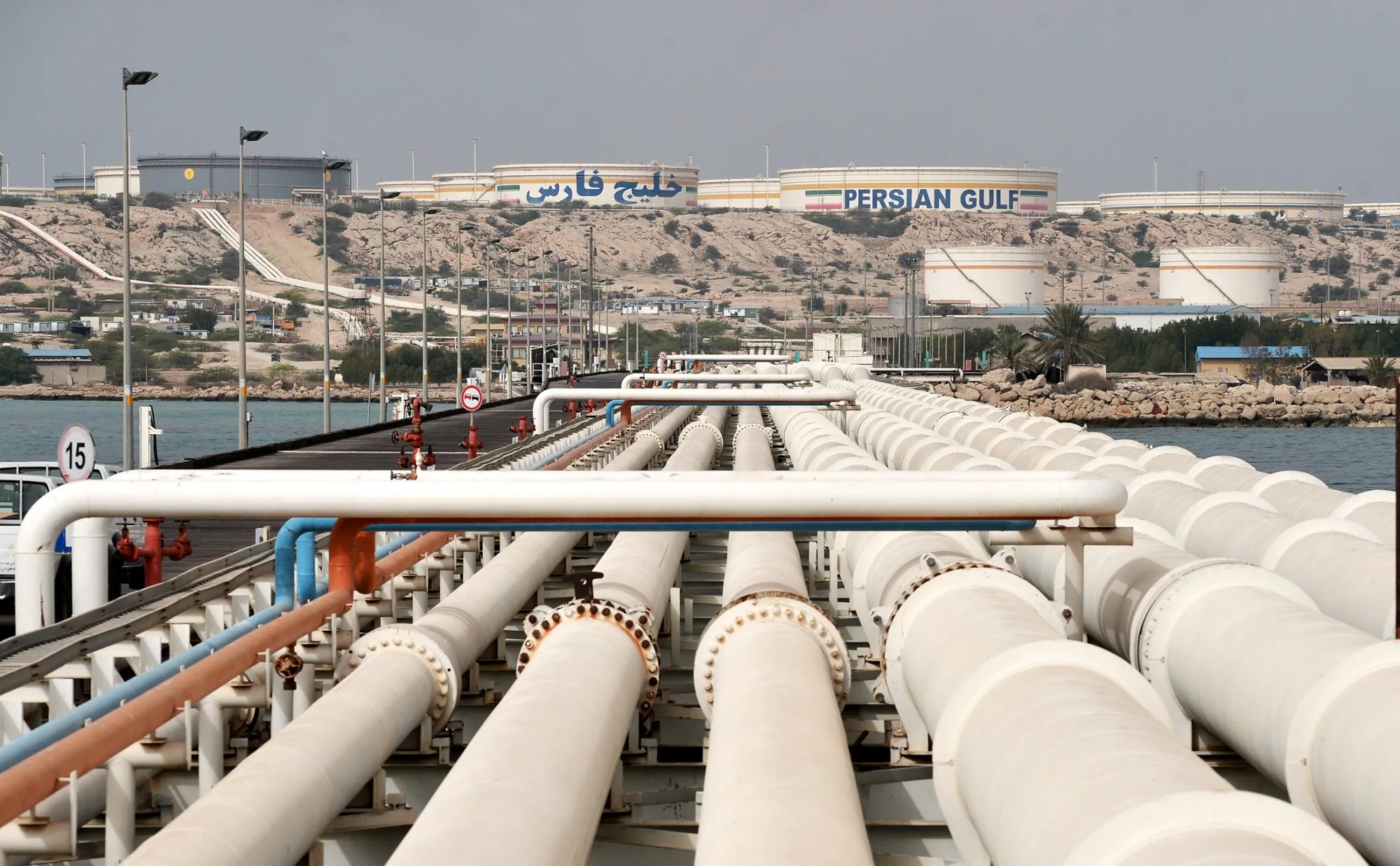
Tensions in the region have intensified following military actions, retaliatory strikes, and attacks on oil infrastructure. Tankers, ports, and energy facilities have all become targets, creating a high-risk environment for shipping.
According to recent reports, the situation has led to:
- Severe restrictions on tanker movement
- Increased insurance costs for vessels
- Suspension of some export operations
In reality, the Strait is not simply “blocked” by a physical obstacle—it has become an active conflict zone, where ongoing threats make normal operations extremely difficult.

Historic Supply Disruption
The most significant impact of the crisis is the scale of supply disruption.
- Up to 15–17 million barrels per day have been removed from the global market.
- This represents one of the largest oil supply shocks in history.
- Flows through the Strait have dropped dramatically
The International Energy Agency and other analysts have described the current situation as unprecedented, surpassing previous oil shocks in both scale and speed.
Why This Disruption Is So Severe
Unlike past disruptions, this crisis involves multiple overlapping factors:
- Geopolitical conflict affecting several countries simultaneously
- Infrastructure damage to key production and export facilities
- Shipping risks that discourage tanker movements
- Limited alternative routes that cannot fully replace Hormuz capacity
Even with pipelines and alternative export terminals, only about 25% of disrupted volumes can be rerouted effectively.
Oil Prices Surge and Market Volatility
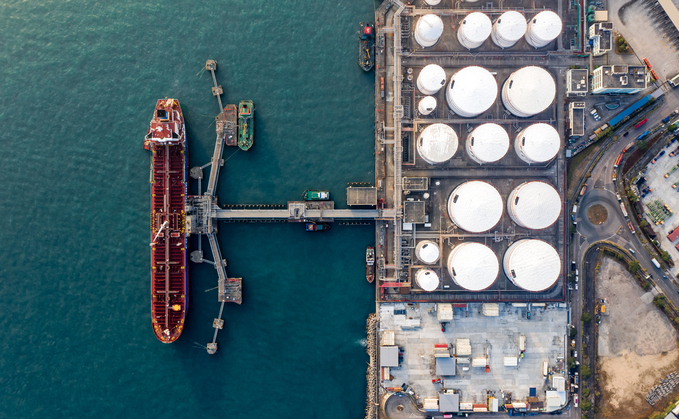
As supply tightens, oil prices have reacted sharply.
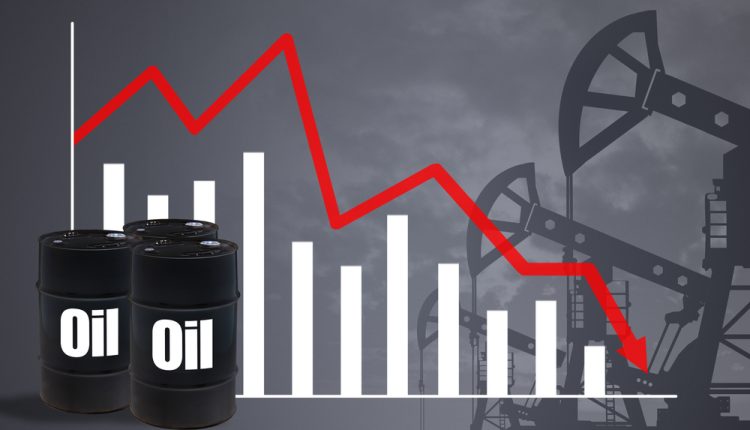
- WTI crude has surged above $112 per barrel
- Prices have risen more than 60% since the beginning of the year
- Analysts warn prices could climb toward $150 or higher if disruptions persist
This surge is driven by fear of prolonged shortages, rather than traditional supply-demand fundamentals.
Market Behavior
Current market conditions are characterized by:
- Extreme price volatility
- Rapid changes in trading sentiment
- Increased speculation and risk premiums
In simple terms, the oil market is being driven more by geopolitical headlines than physical fundamentals.
Political Signals and Strategic Uncertainty
Statements from political leaders have added another layer of complexity. Donald Trump suggested that the United States could potentially reopen the Strait and benefit economically from controlling oil flows.
While such comments emphasize the strategic importance of the region, they do not reflect the operational challenges:
- The Strait cannot be reopened instantly
- Security risks remain high
- Infrastructure damage needs time to repair
Earlier signals from policymakers have also been inconsistent, with some suggesting that responsibility for securing the route should be shared globally rather than led by a single country.

OPEC+ Response and Limitations
The OPEC+ has attempted to respond to the crisis by announcing a modest production increase.
- Planned increase: ~206,000 barrels per day
However, experts widely agree that:
- The increase is largely symbolic
- Actual output cannot rise significantly while export routes remain disrupted
Global Economic Impact
The disruption is not limited to energy markets—it is affecting the entire global economy.
According to international assessments:
- Global trade growth is expected to slow significantly (UN Trade and Development (UNCTAD))
- Inflation is rising due to higher energy costs (UN Trade and Development (UNCTAD))
- Financial markets are experiencing increased volatility
Developing countries are particularly vulnerable, as they face higher import costs and currency pressures.
Regional and Global Supply Chain Effects
The impact of the Hormuz crisis extends beyond crude oil:
Asia
- Highly dependent on Gulf oil imports
- Countries like China, India, Japan, and South Korea are most exposed
Europe
- Facing increased energy costs
- Potential shortages in refined products
Global Shipping
- Rising freight rates
- Higher insurance premiums
- Delays and rerouting of cargo
Additionally, LNG supply is under pressure, as Qatar relies heavily on the Strait with no viable alternative export routes.
Can the Market Recover Quickly?
Even if tensions ease and the Strait reopens, recovery will not be immediate.
Key Challenges:
- Insurance and risk premiums will remain high
- Damaged infrastructure needs time for repair
- Shipping schedules must be reorganized
- Market confidence takes time to rebuild
This means that supply disruptions could continue even after the physical reopening of the route.

Outlook: What Happens Next?
Continued Conflict
- Oil prices remain elevated
- Supply shortages persist
- Risk of global economic slowdown increases
Partial Reopening
- Gradual return of flows
- Prices stabilize but remain volatile
Full Resolution
- Supply chains normalize
- Prices decline, but not immediately
However, most analysts agree that geopolitics will remain the dominant factor in oil markets throughout 2026.

Conclusion
The current oil market crisis highlights the fragile nature of global energy systems. The disruption of the Strait of Hormuz has triggered a historic supply shock, removing millions of barrels per day from the market and driving prices sharply higher.
While political statements and policy responses continue to evolve, the underlying reality remains clear:
- Supply disruption is at historic levels
- Market volatility is driven by geopolitical risk
- Recovery will take time, even under optimistic scenarios
For businesses, traders, and policymakers, this environment demands careful monitoring, strategic planning, and a clear understanding of how global energy flows are interconnected.