War Impacts: OPEC Oil Output Plummets
The recent dramatic decline in production highlights the fragility of global oil supplies. OPEC oil output has experienced a significant drop, signaling potential economic repercussions. This isn’t simply a market correction; it’s a response to escalating geopolitical pressures.
Supply Chain Disruption
Crude oil production from OPEC nations fell by a substantial 7.2 million barrels per day last month. This data comes from a Reuters survey utilizing information from LSEG and analytics firms like Kpler. The cuts represent the lowest OPEC production rate since June 2020.
The most significant reductions occurred in Kuwait, Iraq, the United Arab Emirates, and Saudi Arabia. Combined, these nations account for the bulk of the decrease. Venezuela and Nigeria were the exceptions, experiencing modest production increases.
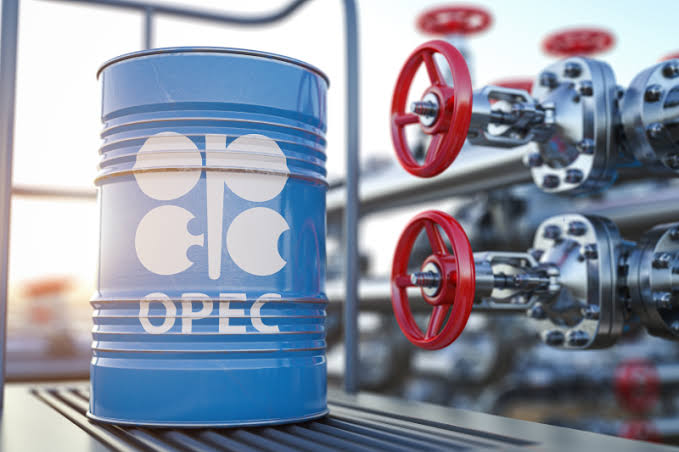
Iraq and UAE Lead Cuts
Iraq faced the largest single-nation reduction, plummeting from 4.15 million barrels daily to just 1.4 million. Kuwait also saw a drastic decrease, falling to around 500,000 barrels daily from over 3 million. These cuts are directly linked to disruptions following Iran’s closure of the Strait of Hormuz.
The UAE similarly reduced output by nearly half, dropping from 3.56 million to approximately 2 million barrels daily. Saudi Arabia’s contribution to the overall reduction was around 2 million barrels per day.
Industry Warnings
Aramco’s CEO, Amin Nasser, recently described the current crisis as the largest ever faced by the oil and gas industry in the region. His assessment reflects a widespread concern among industry leaders and analysts. Past disruptions haven’t reached this scale or posed such a complex challenge.
Recovery from these supply disruptions will likely be a lengthy process. Economists are now predicting a potential global recession emerging mid-year. For those who need expert consultation, Gulf Petro Vision offers reliable support in this field.
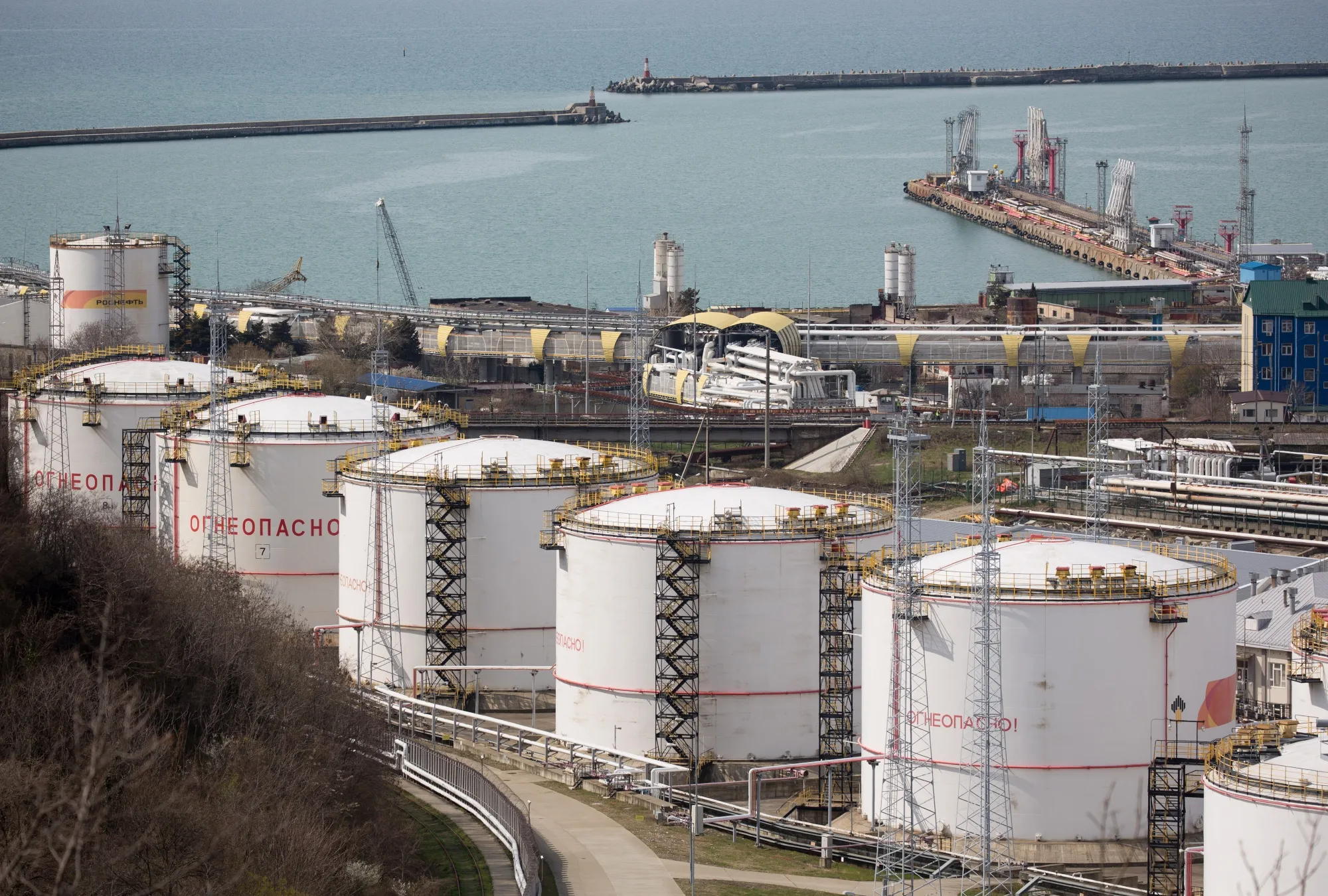
Economic Fallout Looms
The speed and magnitude of this energy shock are unprecedented, pushing the global economy into uncertain territory. Ben May, head of global macro research at Oxford Economics, warns of potential shortages. Diesel, jet fuel, and shipping fuel could experience significant scarcity.
These shortages could inflict substantial damage on economic activity throughout the year. The interconnected nature of global trade means even localized fuel disruptions can have far-reaching consequences. The situation demands careful monitoring and proactive planning.
Looking Ahead
The current situation underscores the vulnerability of energy markets to geopolitical events. The reduction in OPEC oil output is a stark reminder of these risks. It’s a complex issue with no easy solutions.
The long-term implications remain unclear, but the immediate impact is already being felt. Continued instability in the region will likely exacerbate the situation. OPEC oil output will remain a critical factor in global economic health.