Bitumen Emulsion Grades: Types, Properties, and Applications in Road Construction
Bitumen emulsion grades play a critical role in modern road construction and maintenance, serving as a key solution for today’s evolving infrastructure needs. As global demand for infrastructure continues to rise, these materials offer a highly cost-effective, energy-efficient, and environmentally friendly alternative to conventional hot bitumen. Therefore, gaining a clear understanding of the different bitumen emulsion grades, along with their properties and applications, is essential for engineers, contractors, and procurement specialists aiming to optimize performance and cost.
In this context, this guide provides a comprehensive overview of the classification, key characteristics, and practical applications of various Bitumen emulsion grades. Additionally, it offers valuable insights designed to support informed decision-making in both construction and maintenance projects.

What Is Bitumen Emulsion?
A Bitumen emulsion grades consists of bitumen, water, and specialized emulsifying agents, with the bitumen droplets finely dispersed throughout the water. This unique composition allows the emulsion to be applied at lower temperatures, eliminating the need for heating, which not only enhances safety during handling but also makes it a more environmentally sustainable option for road construction and maintenance.
Typically, Bitumen emulsion grades consist of:
- 40–75% bitumen
- 25–60% water
- Small amounts of emulsifiers
This composition improves workability and enables application even on damp surfaces, which is not possible with conventional bitumen.

How Bitumen Emulsions Are Classified
Bitumen emulsion grades are categorized based on three main factors:
1. Electrical Charge
- Cationic emulsions (C): Positively charged particles
- Anionic emulsions: Negatively charged particles
Cationic emulsions are more widely used because they bond effectively with most aggregates.
2. Setting Time
- Rapid Setting (RS): Breaks quickly upon contact with aggregates
- Medium Setting (MS): Allows time for mixing before breaking
- Slow Setting (SS): Remains stable longer for fine aggregate applications
3. Viscosity Level
- 1 (Low viscosity): More fluid and easier to spray
- 2 (High viscosity): Thicker and suitable for heavy-duty applications
Understanding this classification system is essential when selecting the right emulsion for specific construction conditions.
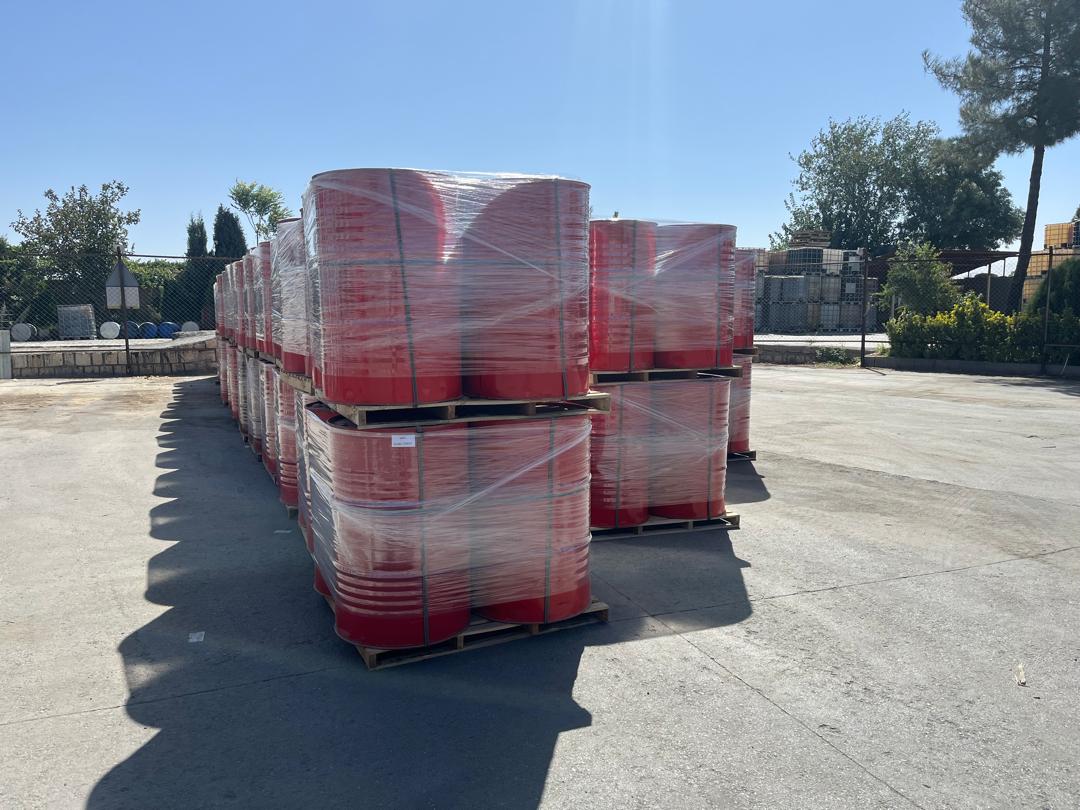
Rapid Setting Bitumen Emulsion Grades (RS & CRS Grades)
Rapid setting emulsions are designed to break and set quickly when they come into contact with aggregates. These are commonly used in surface treatments where fast curing is required.
CRS-1 (Cationic Rapid Setting – Low Viscosity)
CRS-1 is a widely used emulsion with low viscosity, making it easy to apply. It is ideal for:
- Tack coats between asphalt layers
- Light surface sealing such as sand seals
Its fast-setting nature ensures quick bonding, which helps reduce project time.
RS-1 (Anionic Rapid Setting – Low Viscosity)
RS-1 offers similar characteristics to CRS-1 but is anionic. It is used in:
- Tack coating
- Surface dressing applications
However, despite its effectiveness, RS-1 is less commonly used than cationic emulsions because of certain compatibility limitations with specific aggregates.
CRS-2 (Cationic Rapid Setting – High Viscosity)
CRS-2 contains a higher percentage of bitumen, resulting in greater thickness and durability. It is suitable for:
- Chip sealing
- Double and triple surface treatments
- Cape seal and sandwich seal
This grade is ideal for roads requiring strong binding and long-term performance.
RS-2 (Anionic Rapid Setting – High Viscosity)
Similarly, RS-2 serves as the anionic counterpart to CRS-2 and is applied in comparable situations. It is particularly well-suited for heavy-duty surface treatments where a higher viscosity is necessary to ensure durability and long-lasting performance.
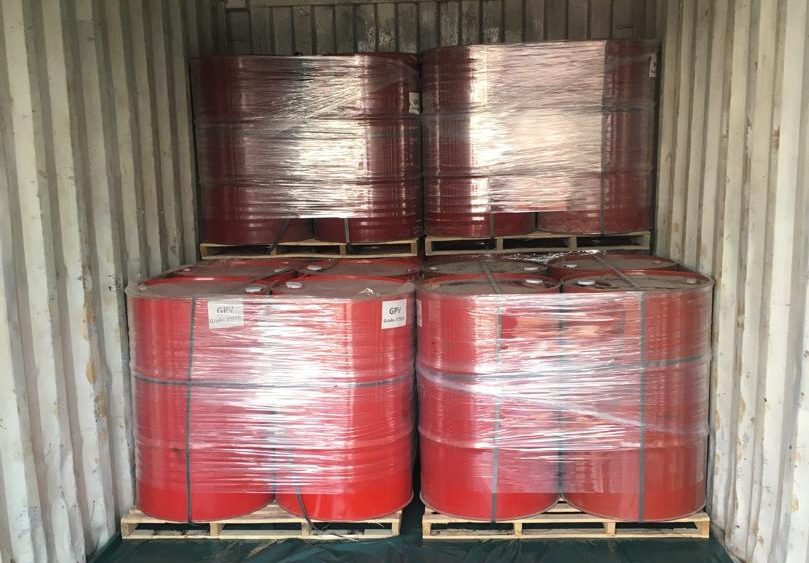
Medium Setting Bitumen Emulsions Grades (MS Grades)
Medium setting emulsions provide a balance between workability and curing speed. They are commonly used in premix applications.
MS-1 (Medium Setting – Low Viscosity)
MS-1 is a low-viscosity, medium-setting bitumen emulsion that offers excellent fluidity, making it easy to mix with aggregates. As a result, it is commonly applied in the following road construction and maintenance activities:
- Sand seals
- Diluted applications such as fog seals and tack coats
Its flexibility makes it suitable for maintenance operations.
MS-2 (Medium Setting – High Viscosity)
MS-2 has a thicker consistency and is mainly used for:
- Prime coats
- Base layer preparation
It penetrates surfaces effectively, ensuring proper bonding between layers.

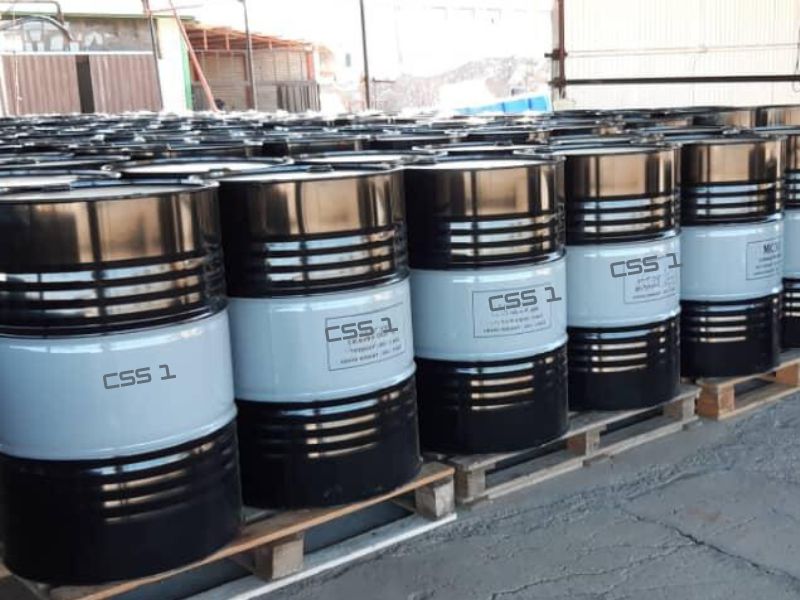
Slow Setting Bitumen Emulsions (SS & CSS Grades)
Slow-setting bitumen emulsions are specifically formulated for applications that require extended workability, making them ideal for use with fine aggregates.
CSS-1 and CSS-1h (Cationic Slow-Setting Emulsions)
These cationic emulsions are widely used in a variety of surface treatments, including:
- Slurry seals – for preventive maintenance and surface leveling
- Micro-surfacing – providing a durable, skid-resistant layer
- Fog seals and protective coatings – protecting pavements from oxidation and moisture damage
The “h” designation indicates a harder residue after curing, which enhances overall durability and longevity of the pavement surface.
SS-1 and SS-1h (Anionic Slow-Setting Emulsions)
Anionic SS grades are commonly applied in:
- Seal coats – to extend the life of asphalt surfaces
- Fog sealing – providing a protective, moisture-resistant layer
Similar to CSS-1h, the “h” variant produces a harder final surface, improving resistance to wear and environmental effects.
Overall, slow-setting emulsions are essential for applications where longer working time is needed and surface protection is a priority, ensuring both performance and durability.
Specialized Bitumen Emulsions
HFMS-2S (High Float Medium Setting)
High float emulsions offer improved cohesion and flexibility. They are particularly useful for:
- Cold mix asphalt
- Maintenance of flexible pavements
These emulsions perform well under varying temperature conditions and heavy traffic loads.

Applications of Bitumen Emulsions in Road Construction
1. Tack Coat
Ensures proper bonding between asphalt layers, preventing slippage and structural failure.
2. Prime Coat
Prepares the base layer to improve adhesion with asphalt overlays.
3. Surface Dressing
Protects road surfaces and enhances skid resistance.
4. Slurry Seal and Micro-Surfacing
Used for preventive maintenance and extending pavement life.
5. Fog Seal
Provides a protective layer to prevent oxidation and moisture damage.

Advantages of Using Bitumen Emulsions
In addition, bitumen emulsions provide several advantages over traditional hot bitumen, making them a preferred choice for modern road construction and maintenance projects:
1. Energy Efficiency
They do not require heating, reducing energy consumption and costs.
2. Environmental Benefits
Lower emissions make them a more sustainable choice.
3. Safety
Reduced risk of burns and accidents during handling.
4. Versatility
Moreover, bitumen emulsions can be applied in a wide range of weather conditions, including damp environments, which further enhances their versatility and suitability for various road construction and maintenance projects.
5. Cost-Effectiveness
Consequently, lower operational and transportation costs contribute to improved overall project economics, making bitumen emulsions a more cost-effective choice for road construction and maintenance.

Factors Affecting Performance
Several key factors can influence the performance and effectiveness of bitumen emulsions:
-
Aggregate Type
Firstly, cationic emulsions tend to perform better with most aggregates, particularly in humid conditions, ensuring strong adhesion and durability.
-
Weather Conditions
Additionally, temperature and humidity play a critical role, as they can affect the emulsion’s setting time and bonding with aggregates.
-
Application Method
Moreover, using proper spraying and mixing techniques is essential to achieve optimal results and uniform coverage.
-
Storage Stability
Finally, proper storage is crucial to prevent separation or degradation of the emulsion, maintaining its performance and shelf life.

Emerging Trends in Bitumen Emulsion Technology
The bitumen industry is evolving with innovations aimed at improving performance and sustainability:
- Polymer-modified emulsions for enhanced durability
- Eco-friendly formulations with reduced environmental impact
- Cold mix technologies for remote and energy-limited regions
These advancements are helping meet the growing demand for sustainable infrastructure solutions.

Conclusion
Bitumen emulsions have become an essential element in modern road construction, as they provide a unique combination of flexibility, operational efficiency, and environmental benefits. In particular, gaining a clear understanding of the various grades—such as CRS, RS, MS, SS, and specialized emulsions—enables industry professionals to make more informed decisions when selecting the most appropriate material for each specific application.
Moreover, choosing the right type of emulsion not only enhances overall road performance but also contributes to significant cost savings while extending the lifespan of pavements. As a result, contractors and engineers can achieve more durable and sustainable infrastructure outcomes. Looking ahead, as global infrastructure development continues to accelerate, the demand for and importance of bitumen emulsions is expected to grow even further.
In today’s highly dynamic energy market, Gulf Petro Vision has firmly established itself as a leading and widely recognized supplier of various grades of bitumen emulsion across the Middle East. Moreover, with an extensive and well-developed global export network, the company successfully delivers high-quality products to clients throughout Asia, Africa, and other key international markets. In addition, by leveraging deep industry expertise and a robust supply chain, Gulf Petro Vision consistently ensures reliable availability of essential grades such as CRS, RS, MS, SS, as well as modified emulsions. Furthermore, the company goes beyond product supply by offering valuable market intelligence and up-to-date pricing insights, helping clients navigate an increasingly volatile energy landscape. Therefore, for the latest bitumen prices, market trends, and professional guidance, clients are encouraged to contact Gulf Petro Vision directly and benefit from timely, expert support.