Ukraine Disrupts Baltic oil exports With Drone Strikes
Ukraine’s recent drone strikes have significantly impacted Russia’s ability to ship oil. This disruption to Baltic oil exports is creating a complex logistical challenge for Moscow.
A Critical Blow to Infrastructure
Russia is now working to find alternative routes for its crude oil. Key export infrastructure in the Baltic Sea has been targeted, causing substantial outages. These attacks come at a time when maritime shipping is already facing increased risks globally.
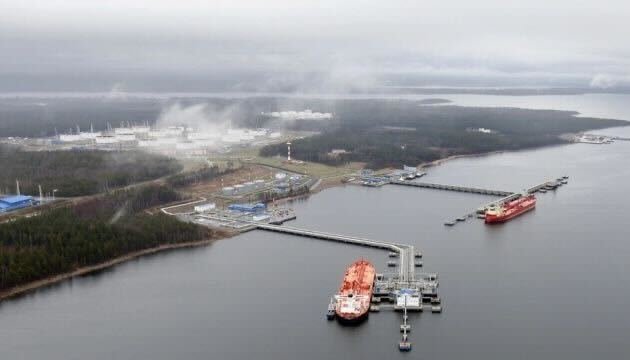
Transneft, the Russian pipeline operator, is attempting to redirect crude volumes. The ports of Primorsk and Ust-Luga, vital export hubs, have been directly affected by the strikes.
Assessing the Damage
Rough calculations indicate that around 40% of Russia’s oil export capacity is currently offline. This figure accounts for port closures, pipeline issues, and disruptions to tanker schedules. Primorsk alone handles over a million barrels of Urals crude daily.
Ust-Luga moved nearly 33 million tons of oil products last year. Losing access to both facilities, even temporarily, creates a significant bottleneck. Transneft’s CEO, Nikolai Tokarev, has acknowledged the difficulty of quickly rerouting such large volumes.
Limited Alternatives Exist
Russia does have some options for shifting its oil flows. These include redirecting shipments to Black Sea ports or utilizing inland routes. However, these alternatives aren’t without their own limitations.
Infrastructure capacity is finite, and the Black Sea is becoming increasingly dangerous. Recent weeks have seen a rise in attacks on tankers operating in the region. Readers seeking deeper insights can contact Gulf Petro Vision for industry guidance.
Broader Market Implications
The disruption to Russian oil exports adds another layer of complexity to an already volatile market. The ongoing conflict in the Middle East and tensions around the Strait of Hormuz are also contributing to supply concerns. These factors are collectively pushing oil prices higher.
Brent crude was trading above $106 a barrel on Thursday morning. This price surge reflects the growing uncertainty surrounding global oil supplies. The situation highlights the interconnectedness of energy markets and geopolitical events.
Navigating a Complex Landscape
Even if Russia maintains its current production levels, getting oil to buyers is becoming more difficult. The process is now more expensive and less predictable. Russia faces constraints on multiple fronts.
These include reduced port capacity, increased risks in the Black Sea, and ongoing challenges related to sanctions. The combination of these factors creates a challenging environment for Russian oil exports. This disruption to Baltic oil exports will likely continue to shape the energy landscape in the coming weeks and months.

A Tightening Global Supply
The situation underscores the fragility of global oil supply chains. The combined impact of geopolitical events and logistical challenges is creating a tighter market. This is likely to put upward pressure on prices and increase volatility. The world is watching closely as Russia attempts to navigate these complex challenges.