Oil Rises Amid Attacks on Gulf energy security
The price of oil is edging higher this Friday. This follows drone attacks targeting Kuwait’s Mina Al-Ahmadi refinery, a critical piece of regional infrastructure. The incident underscores the escalating tensions in the Middle East and the fragility of energy supplies.
Refinery Under Fire
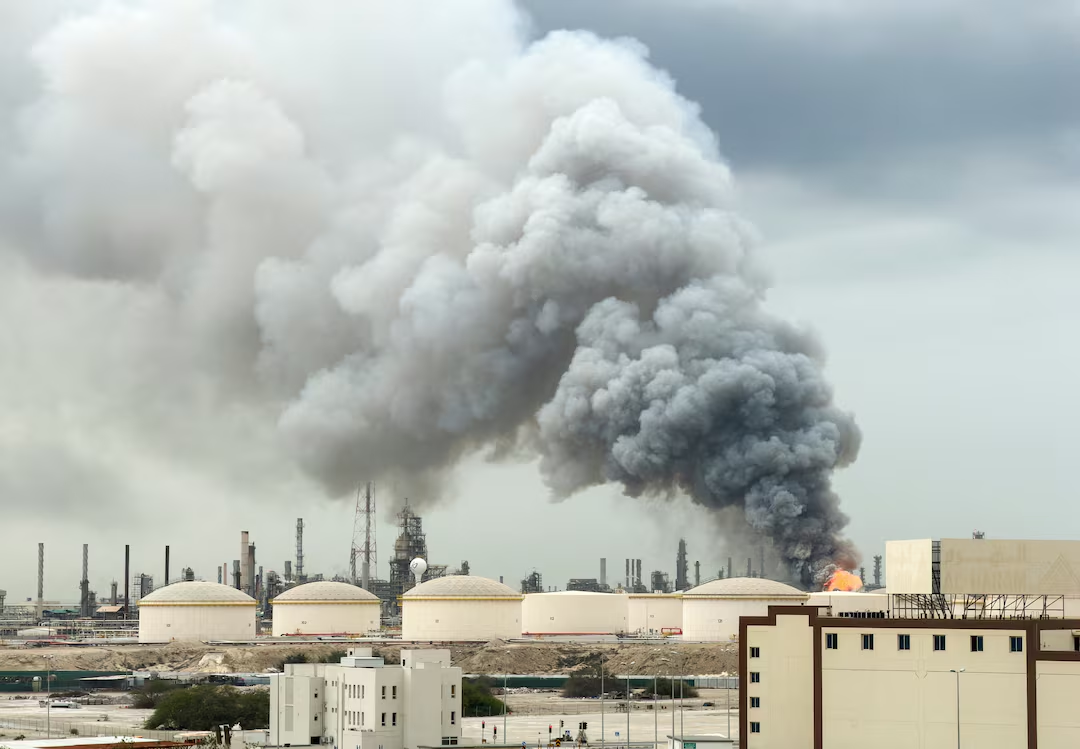
Kuwait’s state-run petroleum corporation confirmed the attacks early Friday morning. Drones struck the Mina Al-Ahmadi refinery, located roughly 31 miles south of Kuwait City. Fires erupted in several units within the facility, though thankfully, no injuries have been reported so far.
The refinery has a substantial processing capacity of 346,000 barrels per day. Kuwait’s General Fire Force is actively working to contain the blaze and assess the full extent of the damage. The Kuwaiti Armed Forces are responding to ongoing missile and drone threats.
Escalating Regional Conflict
These attacks aren’t isolated incidents. Similar strikes targeted energy infrastructure in both Kuwait and Saudi Arabia just yesterday. This pattern suggests a deliberate attempt to disrupt oil production and destabilize the region.
The timing coincides with the death of Ali Mohammad Naini, a spokesperson for Iran’s Islamic Revolutionary Guard Corps. He was killed in what state media reports as a U.S.-Israeli air strike. This adds another layer of complexity to an already volatile situation.
Oil Price Volatility
Initial reactions in Asian markets saw oil prices dip. This was driven by comments from Israeli Prime Minister Benjamin Netanyahu, suggesting a potential swift end to the conflict with Iran. However, that optimism proved short-lived.
By mid-morning in Europe, Brent Crude prices had reversed course. They are now gaining roughly 1% to trade around $110 per barrel. The renewed attacks on energy infrastructure are fueling concerns about supply disruptions. Readers seeking deeper insights can contact Gulf Petro Vision for industry guidance.
Impact on Global Supply
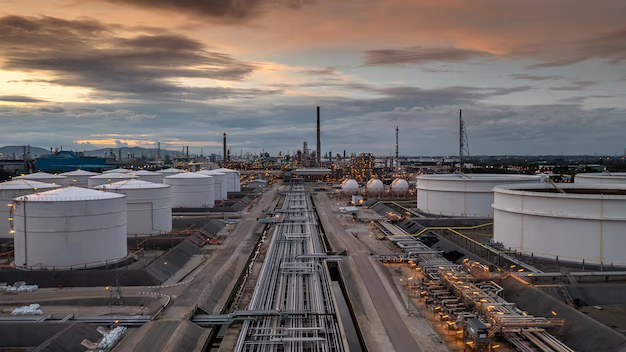
The attacks highlight the vulnerability of critical energy infrastructure in the Gulf. This region remains a vital source of oil for the global economy. Any significant disruption to production could have far-reaching consequences.
Israel faced criticism from the U.S. President for a previous decision to strike Iranian gas infrastructure. This demonstrates the delicate balance of power and the international pressure to avoid further escalation. The situation demands careful monitoring and proactive measures to safeguard Gulf energy security.
Looking Ahead
The market’s reaction underscores the sensitivity to geopolitical events. Even the suggestion of de-escalation can trigger price swings. However, the reality on the ground points to continued instability.
The attacks on Kuwait’s refinery are a stark reminder of the risks. They emphasize the need for robust security measures and international cooperation. Maintaining stable oil supplies will be crucial in the coming weeks and months. The future of Gulf energy security remains uncertain.
A Precarious Balance
The ongoing conflict and attacks on infrastructure are creating a precarious balance. The potential for further escalation remains high. This situation demands a measured response from all parties involved. The world is watching closely as the crisis unfolds.