Sinopec Cuts Refining Amidst Hormuz Strait Supply Fears
Sinopec, China’s refining giant, is adjusting to a tightening global oil market. The company has decreased its refining operations, a direct response to disruptions impacting the crucial Hormuz Strait Supply. This move signals growing anxieties about crude oil accessibility.
Refining Rates Reduced
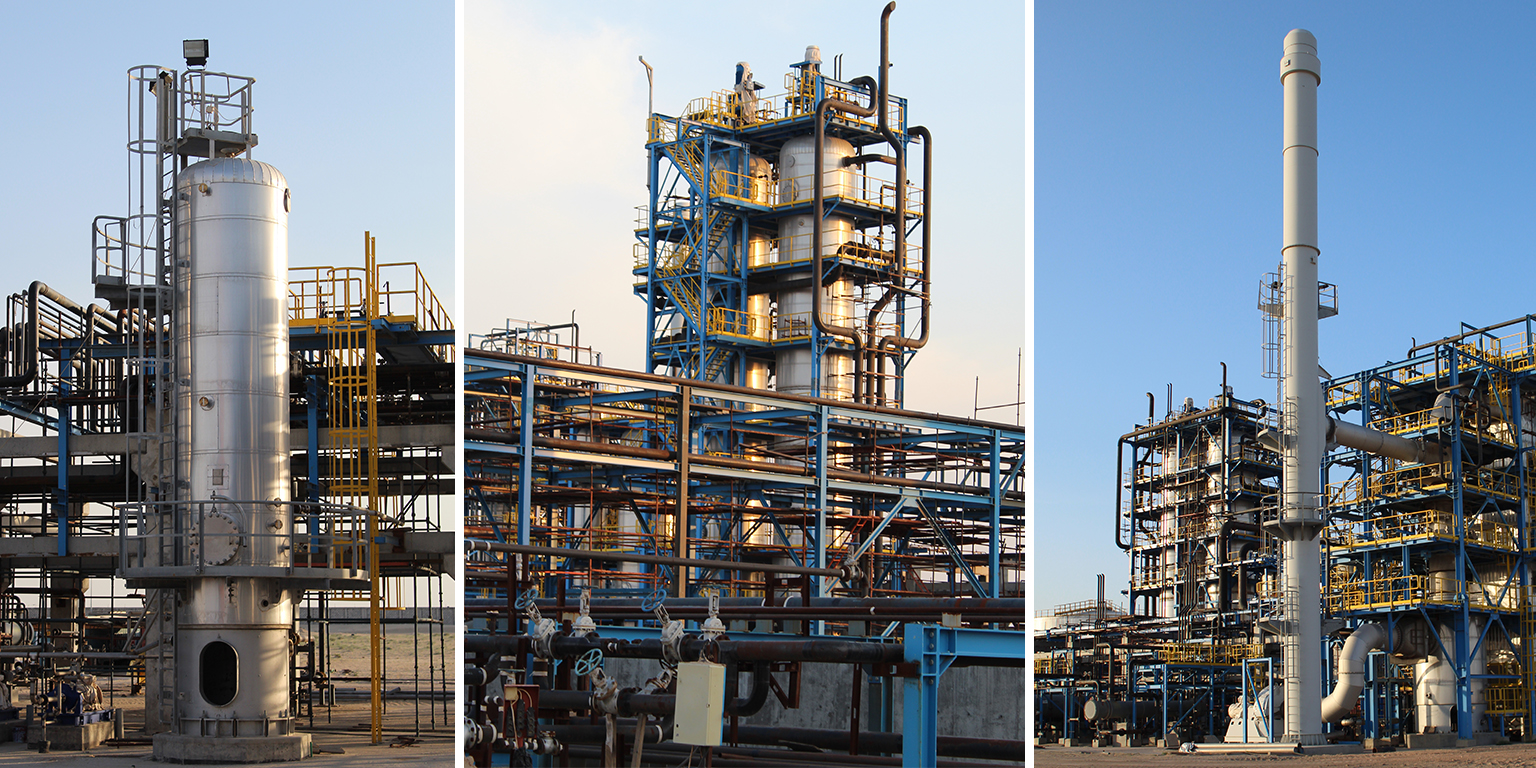
The reduction in Sinopec’s processing rates amounts to roughly 500,000 barrels per day. This is a significant adjustment for a company handling about a third of China’s refined product output. Average daily processing typically reaches 5.2 million barrels.
These cuts aren’t isolated incidents. They coincide with planned maintenance, adding to the overall reduction in output. The timing is particularly sensitive, falling during the peak refining season.

Middle East Dependency
Sinopec’s vulnerability stems from its heavy reliance on Middle Eastern crude. Approximately half of the oil processed by the company originates from this region. Supply shocks in the Strait of Hormuz, therefore, have an immediate and substantial impact.
The situation highlights the interconnectedness of global energy markets. Disruptions in one key chokepoint can quickly ripple across continents.
Asian Demand at Risk
Asia, the world’s largest oil consumer, is bearing the brunt of the Hormuz Strait issues. Analysts at Wood Mackenzie predict potential crude run cuts of up to 6 million barrels per day across Asia in April. This worst-case scenario assumes emergency stockpiles remain untouched.
The potential for widespread disruption is considerable. Refineries across the region are heavily dependent on Middle Eastern crude, with roughly 65% of their supply coming from that area. Readers seeking deeper insights can contact Gulf Petro Vision for industry guidance.
Export Suspension & Immediate Action
The cuts follow China’s earlier suspension of all fuel exports. Sources close to Sinopec emphasized the urgency of the situation. “Sinopec has little option other than cutting runs, and immediately,” one source stated to Reuters last week.
This swift response underscores the severity of the perceived threat. It also demonstrates a proactive approach to mitigating potential fuel shortages.
Peak Season Complications
The timing of these cuts is especially problematic. Refining activity typically peaks in anticipation of increased summer fuel demand. This is usually followed by maintenance periods in April and June.
The combination of reduced capacity and rising demand creates a challenging scenario. It could lead to higher fuel prices and potential supply constraints for consumers.
Looking Ahead
The situation in the Hormuz Strait remains volatile. The extent of the disruption, and its long-term impact, is still uncertain. Sinopec’s actions are a clear indication of the growing concerns within the industry. The global energy landscape is bracing for potential further adjustments as the Hormuz Strait Supply situation evolves.