Troubleshooting Common Pavement Distresses Related to Bitumen Quality
Pavement distresses such as rutting, cracking, and potholes are among the most frequent and costly challenges faced by civil engineers, road contractors, and municipalities worldwide. These distresses not only compromise road safety and ride comfort but also significantly increase maintenance expenses and reduce the overall lifespan of pavements.
A critical factor influencing these pavement failures is the quality and type of AC grade bitumen used in asphalt construction. Bitumen acts as the binder that holds aggregates together, providing flexibility, durability, and resistance to deformation. Selecting the right bitumen grade and understanding its properties are essential for designing pavements that can withstand varying traffic loads and environmental conditions.
In this comprehensive guide, we will explore the common pavement distresses linked to bitumen quality, explain how different bitumen grades affect these issues, and provide practical tips for choosing the right bitumen to minimize pavement failures and extend service life.
Understanding Pavement Distresses: Rutting, Cracking, and Potholes
Before examining the role of bitumen, it’s important to understand the nature and causes of the most common pavement distresses:
1. Rutting
Rutting refers to longitudinal depressions or grooves that form along the wheel paths on a pavement surface. It is primarily caused by the permanent deformation of asphalt layers under repeated heavy traffic loading, especially from commercial vehicles.
Consequences of Rutting:
- Reduced ride quality and driver comfort
- Water accumulation in ruts, increasing hydroplaning risk
- Accelerated pavement deterioration due to water infiltration
2. Cracking
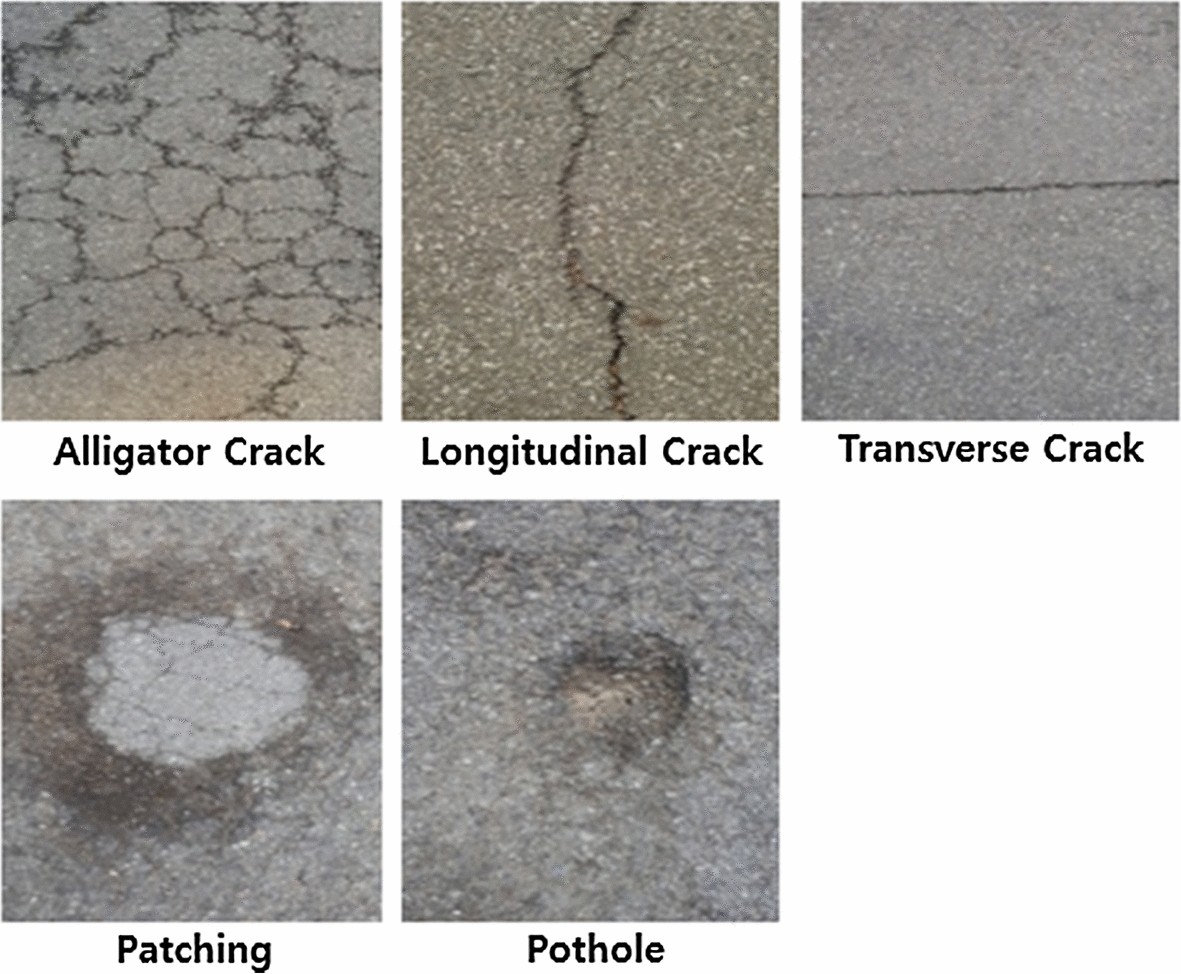
Cracking appears as visible fractures on the pavement surface and can take several forms:
- Fatigue (Alligator) Cracking: Caused by repeated traffic loading leading to binder and aggregate fatigue.
- Thermal Cracking: Occurs due to low temperatures causing bitumen to stiffen and crack.
- Reflective Cracking: Develops when cracks from underlying layers propagate to the surface.
Cracks allow water to seep into the pavement structure, weakening the base and subgrade layers and accelerating further distress.
3. Potholes
Potholes are bowl-shaped holes resulting from the disintegration of the asphalt surface. They typically develop from water infiltration through cracks combined with traffic stresses, leading to the loss of aggregate and binder cohesion.
Impacts of Potholes:
- Increased risk of vehicle damage and accidents
- Higher maintenance and repair costs
- Reduced pavement lifespan
The Role of Bitumen Quality in Pavement Distresses
Bitumen is the glue that binds aggregates in asphalt mixtures. Its physical and chemical properties directly affect the pavement’s ability to resist deformation, cracking, and moisture damage.
Key Bitumen Properties Affecting Pavement Performance
- Viscosity: Indicates bitumen’s resistance to flow at specific temperatures. High viscosity bitumen resists rutting but may become brittle in cold climates.
- Ductility: Measures the ability to stretch without breaking, critical for resisting cracking under thermal and traffic stresses.
- Penetration: Reflects softness; higher penetration values mean softer bitumen better suited for cold climates.
- Softening Point: The temperature at which bitumen softens. A higher softening point is necessary in hot climates to prevent pavement softening and rutting.

How Bitumen Grades Influence Pavement Distresses
Asphalt Cement (AC) Grade Bitumen and Its Variants
AC grade bitumen is the most commonly used binder in new pavement construction due to its excellent workability and adaptability. It is classified primarily by viscosity at 60°C into three main grades:
- AC10: Low viscosity, softer, and highly ductile. Ideal for cold climates and roads with light traffic.
- AC20: Medium viscosity, offering a balance between flexibility and strength. Suitable for moderate climates and traffic volumes.
- AC30: High viscosity, stiffer, and more resistant to deformation. Best for hot climates and heavy traffic roads.
Rutting and Bitumen Choice
Rutting occurs when the asphalt binder cannot resist permanent deformation under heavy loads and elevated temperatures. Bitumen with low viscosity tends to soften excessively in hot weather, making the pavement prone to rut formation.
Prevention Strategies:
- Use higher viscosity bitumen such as AC30 for highways, expressways, and arterial roads in hot climates.
- AC30’s stiffness helps maintain pavement structural integrity under heavy commercial vehicle traffic and high temperatures.
- In tropical or desert regions, AC30 bitumen significantly reduces rutting risks.
Cracking and Bitumen Choice
Cracking results from the pavement becoming brittle and losing flexibility, often due to low temperatures or aging of bitumen.
- Thermal Cracking: Occurs in cold climates when bitumen stiffens and contracts, causing fractures.
- Fatigue Cracking: Caused by repeated traffic loads leading to binder fatigue and aggregate breakdown.
Prevention Strategies:
- Use softer, more ductile bitumen like AC10 in cold climates to accommodate thermal expansion and contraction without cracking.
- For regions with fluctuating temperatures, AC20 provides moderate viscosity and ductility to resist both cracking and rutting.
Potholes and Bitumen Choice
Potholes develop from the combined effects of cracking and water infiltration. Poor-quality bitumen that cracks easily or allows water penetration accelerates pothole formation.
Prevention and Maintenance:
- Select bitumen grades with adequate ductility and penetration to reduce cracking and water ingress.
- Use AR grade bitumen (Aged Residue) for resurfacing and maintenance to restore binder properties and seal cracks, preventing potholes.

Practical Tips for Minimizing Pavement Distresses Through Bitumen Selection
- Assess Traffic Load:
- Heavy traffic roads require high-viscosity bitumen (AC30) to resist deformation.
- Light traffic roads can use softer bitumen (AC10) for flexibility.
- Consider Climate Conditions:
- Cold regions need low-viscosity, ductile bitumen to prevent cracking.
- Hot regions demand bitumen with a high softening point to avoid rutting.
- Use Modified Bitumen When Necessary:
- Polymer-modified bitumen (PMB) improves resistance to rutting and cracking, ideal for extreme traffic and climate conditions.
- Regular Quality Testing:
- Conduct penetration, viscosity, and ductility tests to ensure bitumen meets project specifications.
- Proper Storage and Handling:
- Maintain bitumen temperature and avoid contamination to preserve its properties and performance.
Conclusion
Pavement distresses such as rutting, cracking, and potholes are closely linked to the quality and grade of bitumen used in asphalt construction. Selecting the appropriate AC grade bitumen—whether AC10, AC20, or AC30—based on traffic loads and climatic conditions is crucial to minimizing these issues and extending pavement life.
By understanding how bitumen properties like viscosity, ductility, penetration, and softening point affect pavement performance, engineers and contractors can make informed decisions that reduce maintenance costs and improve road safety. Incorporating modified bitumen and adhering to quality control practices further enhances pavement durability.
Partnering with trusted suppliers for high-quality AC grade bitumen tailored to your project needs ensures your pavement stands the test of time, delivering safe, durable, and cost-effective roads.