Fujairah Avoidance: Shifting Gulf tanker routes
The escalating tensions in the Gulf are causing a significant shift in maritime traffic. Shipping companies are increasingly hesitant to utilize the port of Fujairah in the United Arab Emirates. This reluctance is disrupting oil exports and creating unexpected market dynamics.
Rising Concerns in the Gulf
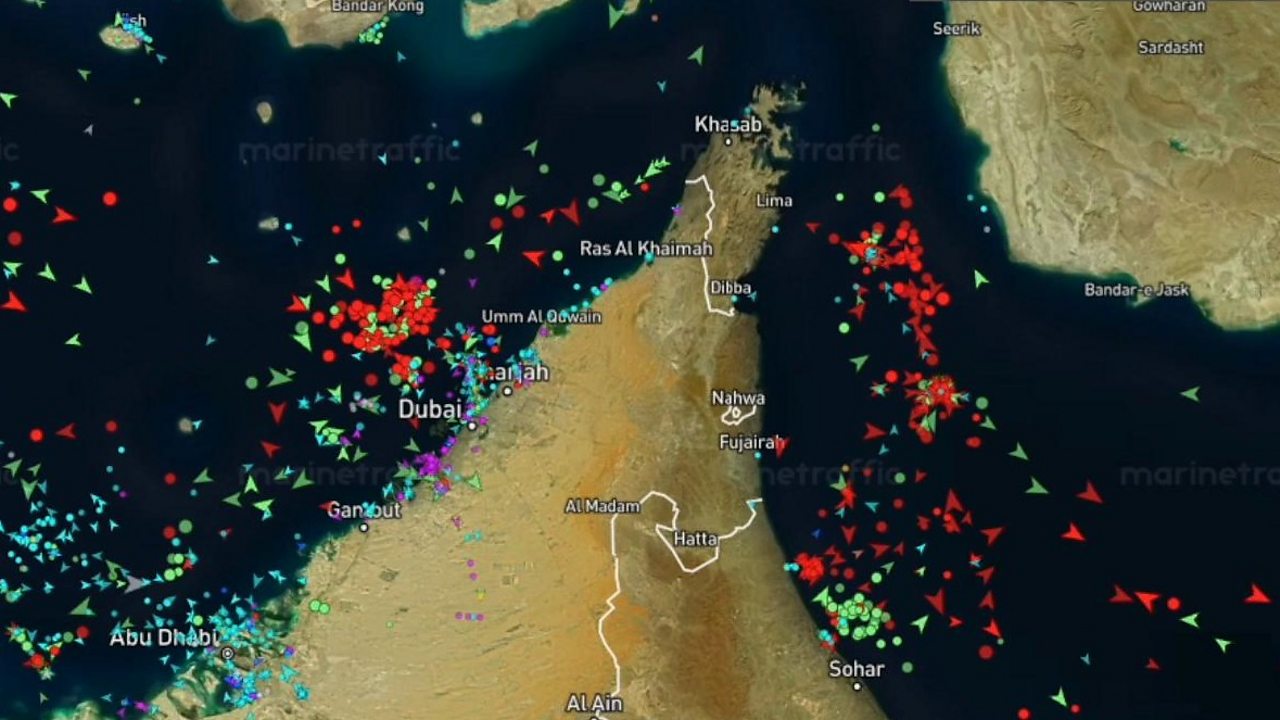
Several shipping firms have begun cancelling planned calls to Fujairah. Nippon Yusen KK and a European company are among those diverting their vessels. Despite Fujairah’s location outside the Strait of Hormuz, its proximity to potential conflict zones is proving too risky for some.
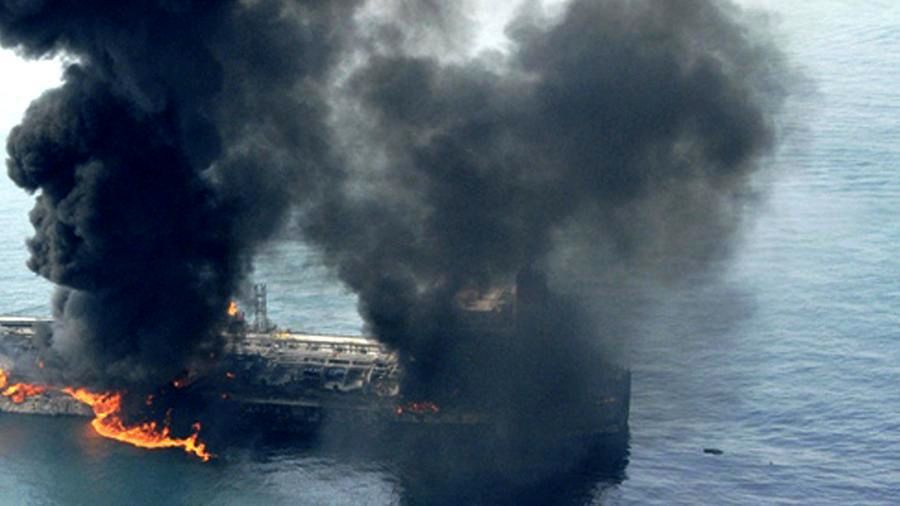
Recent attacks targeting the area have heightened anxieties. A missile strike earlier caused a fire within Fujairah’s oil zone, demonstrating the vulnerability of the port. These incidents are understandably making ship owners reconsider their routes.
Adnoc Capitalizes on Disruption
The cancellations are creating a unique opportunity for the Abu Dhabi National Oil Company (Adnoc). Traders are returning oil cargoes to Adnoc after cancelling shipments from Fujairah. Adnoc is then reselling this oil on the spot market at significantly higher prices.
March’s official Murban selling price was $63.99 per barrel. However, Murban crude is now trading above $99 per barrel, showcasing the impact of the supply disruption. This situation highlights how geopolitical events can rapidly reshape oil market fundamentals.
Production Cuts Across the Middle East
The disruption extends beyond Fujairah. Tanker traffic through the Strait of Hormuz has drastically decreased. This has forced Middle Eastern oil producers to begin curtailing production. Storage tanks are filling up, and there’s limited space for additional output.
Conflicting signals from U.S. officials regarding potential Navy escorts for tankers have further fueled uncertainty. Traders and analysts are struggling to assess the true level of risk and potential supply disruptions. Readers seeking deeper insights can contact Gulf Petro Vision for industry guidance.
Saudi Arabia and UAE Reduce Output
Saudi Arabia, which has an alternative export route via the Red Sea, has also started reducing production. Two oil fields have seen output scaled back earlier this week. The UAE has implemented even more substantial cuts, ranging from 500,000 to 800,000 barrels per day.
These widespread production cuts demonstrate the severity of the situation. The region’s oil producers are responding proactively to the challenges posed by the shifting Gulf tanker routes. The situation underscores the fragility of global oil supply chains.
Looking Ahead: Uncertainty Remains
The future of oil exports from the region remains uncertain. The ongoing conflict and the reluctance of shipping companies to risk the area will likely continue to impact supply. This disruption will likely keep prices elevated in the short term.
The changing dynamics in the Gulf highlight the interconnectedness of energy markets and geopolitical events. The situation demands careful monitoring and strategic planning from all stakeholders. The evolving Gulf tanker routes will continue to be a critical factor in the global oil landscape.