Gulf Producers Deepen Cuts Amidst Output Concerns
The situation in the Middle East is rapidly escalating, forcing major oil producers to drastically reduce production. Initial reports indicate a combined cut of over 5 million barrels per day (bpd) as the critical shipping lane of the Strait of Hormuz faces increasing challenges.
Rising Tensions, Falling Production
The core issue stems from disruptions to tanker traffic. As storage capacity dwindles and export routes become blocked, producers are left with little choice but to curtail upstream production. This isn’t a strategic move to influence prices; it’s a direct consequence of logistical constraints.
Saudi Arabia is leading the cuts, reportedly reducing output by a substantial 2 million to 2.5 million bpd. These figures come from sources familiar with the situation, highlighting the severity of the problem.
Aramco has already begun reducing production at select fields. While the Kingdom has the option of rerouting some exports via its east-west pipeline network to the Red Sea, this capacity is limited. It represents only a fraction of the volumes typically flowing through the Strait of Hormuz.
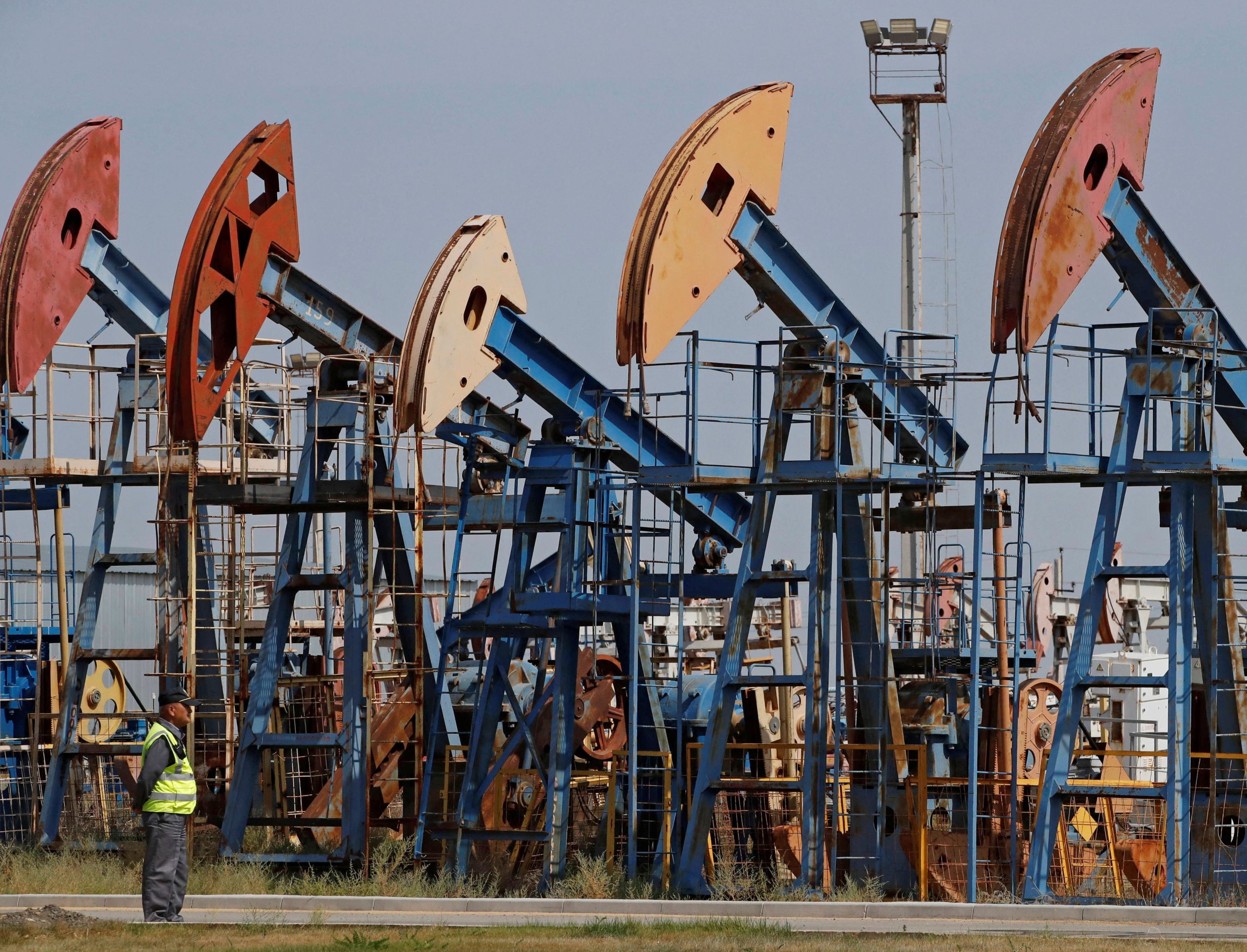
Regional Impact of the Cuts
Iraq, the second-largest OPEC producer, is also significantly reducing its output. Bloomberg sources indicate a cut of approximately 2.9 million bpd. The United Arab Emirates (UAE) and Kuwait are contributing to the overall reduction, with cuts of 500,000-800,000 bpd and 500,000 bpd respectively.
These collective actions demonstrate a unified response to the unfolding crisis. The cuts aren’t isolated decisions but rather a coordinated effort to manage the impact of restricted exports.
Warnings from Industry Leaders
Aramco’s CEO, Amin Nasser, recently refrained from commenting on specific production levels during the Q4 earnings call. However, he issued a stark warning about “catastrophic consequences” for both the oil market and the global economy if the disruptions in the Strait of Hormuz persist.
This statement underscores the potential for widespread economic fallout. The Strait of Hormuz is a vital artery for global oil supply, and its closure would have far-reaching implications.

Political Rhetoric and Market Uncertainty
U.S. President Trump has attempted to reassure markets, suggesting a swift resolution to the conflict. However, Iran has vowed to prevent any oil exports from the Middle East until it perceives an end to ongoing attacks.
This conflicting rhetoric adds to the uncertainty. Market analysts at ING emphasize that a sustained drop in oil prices hinges on the resumption of flows through the Strait of Hormuz. Without that, further price increases are likely. Readers seeking deeper insights can contact Gulf Petro Vision for industry guidance.
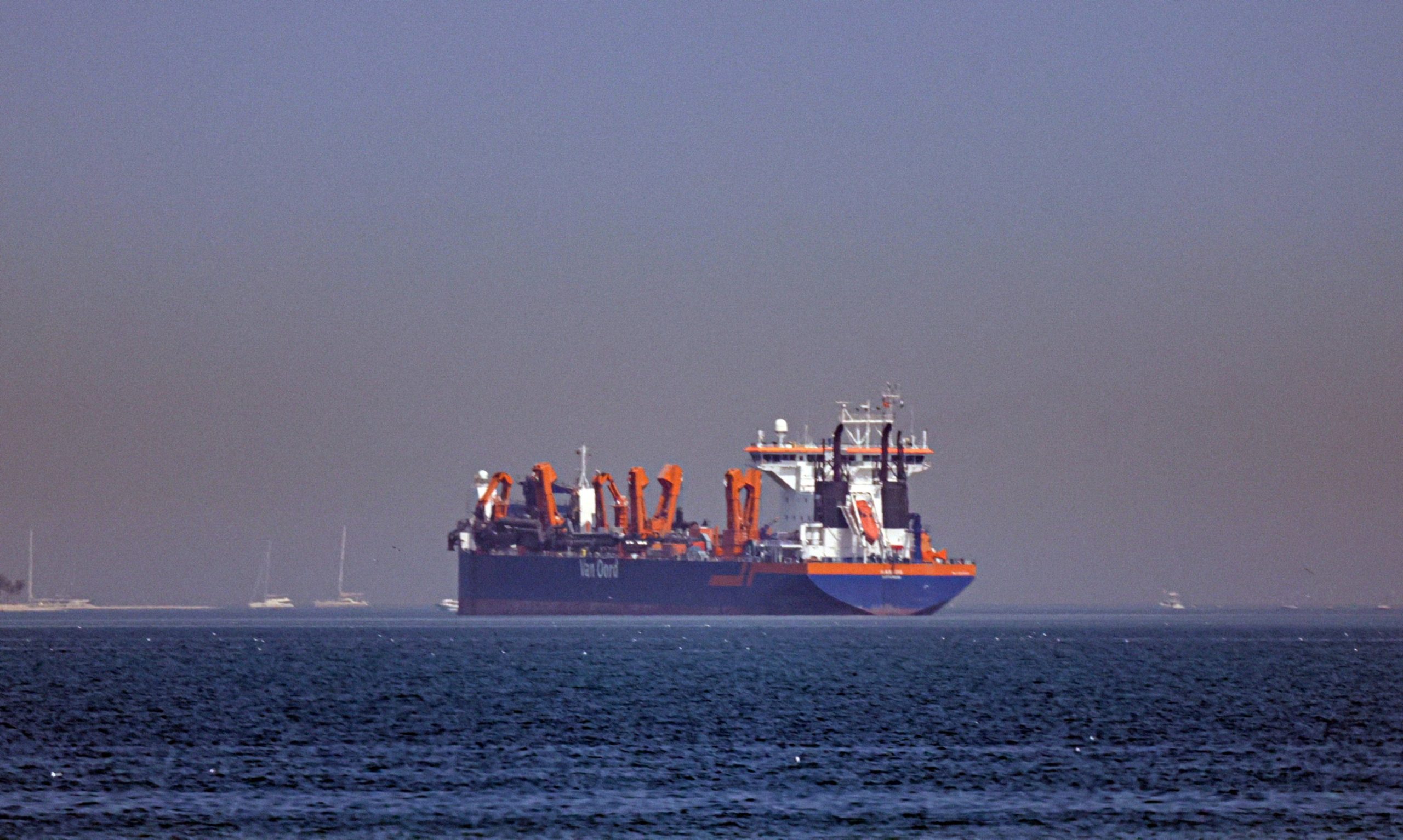
The Future of Gulf oil output
The current situation is incredibly fluid. The market is bracing for continued volatility as geopolitical tensions remain high. The extent and duration of the production cuts will depend heavily on the resolution of the conflict and the restoration of safe passage through the Strait of Hormuz.
The potential for further escalation remains a significant concern. The world is watching closely, as the stability of global energy supplies hangs in the balance. The coming weeks will be critical in determining the long-term impact on Gulf oil output and the broader global economy. This situation highlights the fragility of the energy supply chain and the importance of diversification. The future of Gulf oil output is uncertain, but the immediate impact is clear: a significant reduction in available supply.