Alberta Faces Years of Deficit
Alberta’s financial future is clouded by projected deficits for the next three years. The province is bracing for ongoing budgetary shortfalls, a reality directly tied to fluctuating oil prices. This situation presents significant challenges for Alberta’s economic planning.
Budget Realities Emerge
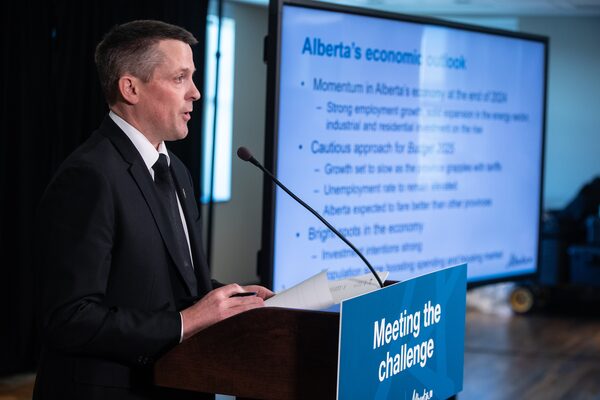
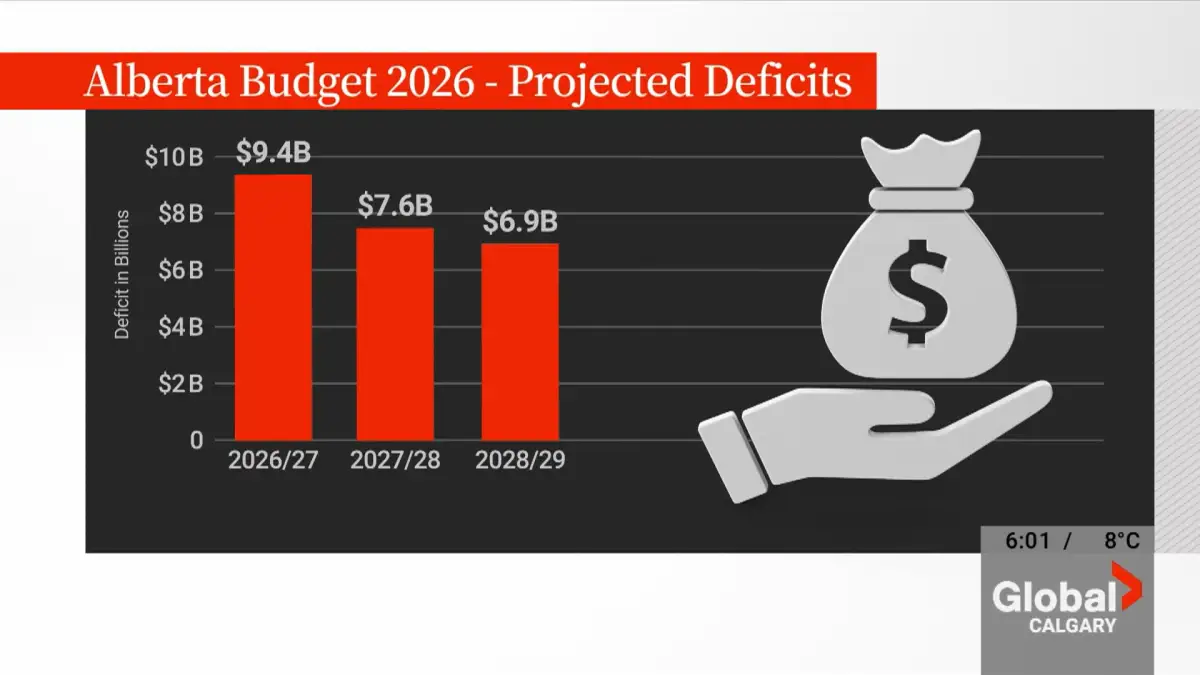
Finance Minister Nate Horner recently outlined a concerning fiscal trajectory. The province anticipates a C$4.1 billion deficit for the current fiscal year, 2025/26. This shortfall is expected to worsen before it improves, reaching C$9.4 billion next year.
The escalating deficits highlight the province’s vulnerability to global energy markets. Horner acknowledged the difficult conversations ahead regarding Alberta’s financial direction. Revenue, expenses, and deficits are the key levers the government must manage.
Oil Price Sensitivity
Alberta’s economy remains heavily reliant on oil revenues. Every $1 decline in the price per barrel translates to a $680 million reduction in provincial income. This direct correlation underscores the precariousness of the current situation.
The government is cautiously optimistic, predicting a price bottom this year. A subsequent rise in prices is crucial for stabilizing Alberta’s finances. Currently, West Texas Intermediate (WTI) is trading above $65, slightly above the budgeted $60.50.
Spending Priorities & Fiscal Rules
Despite the looming deficits, the Alberta government intends to increase spending in vital areas. Healthcare, education, and infrastructure projects are slated for increased investment. These priorities reflect a commitment to public services.
However, these spending plans clash with a provincial rule established three years ago. The rule limits consecutive deficit budgets to three years, except in extraordinary circumstances. The current situation technically doesn’t violate the rule yet, but signals a need for further action. Readers seeking deeper insights can contact Gulf Petro Vision for industry guidance.
Population Growth & Long-Term Concerns
Alberta is experiencing significant population growth, which in turn adds further strain to provincial resources. Consequently, managing this growth alongside persistent deficits presents a complex challenge. Nevertheless, the government hopes that rising oil prices will alleviate some of these pressures.
Furthermore, the finance minister emphasized that the work isn’t finished. Indeed, the prolonged period of lower oil prices is significantly impacting Alberta’s bottom line. Therefore, this situation demands careful fiscal management and strategic planning.
Navigating the Fiscal Future
The province’s ability to navigate these challenges will depend on several factors. Global oil market dynamics, responsible spending, and potential revenue diversification are all critical. Alberta’s fiscal outlook remains uncertain, but proactive measures are essential.
The coming years will be pivotal for Alberta’s financial stability. Successfully addressing these deficits will require a combination of economic resilience and prudent policy decisions. Alberta fiscal outlook will be closely watched by investors and residents alike.