Supreme Court Limits Trump’s Tariff Power
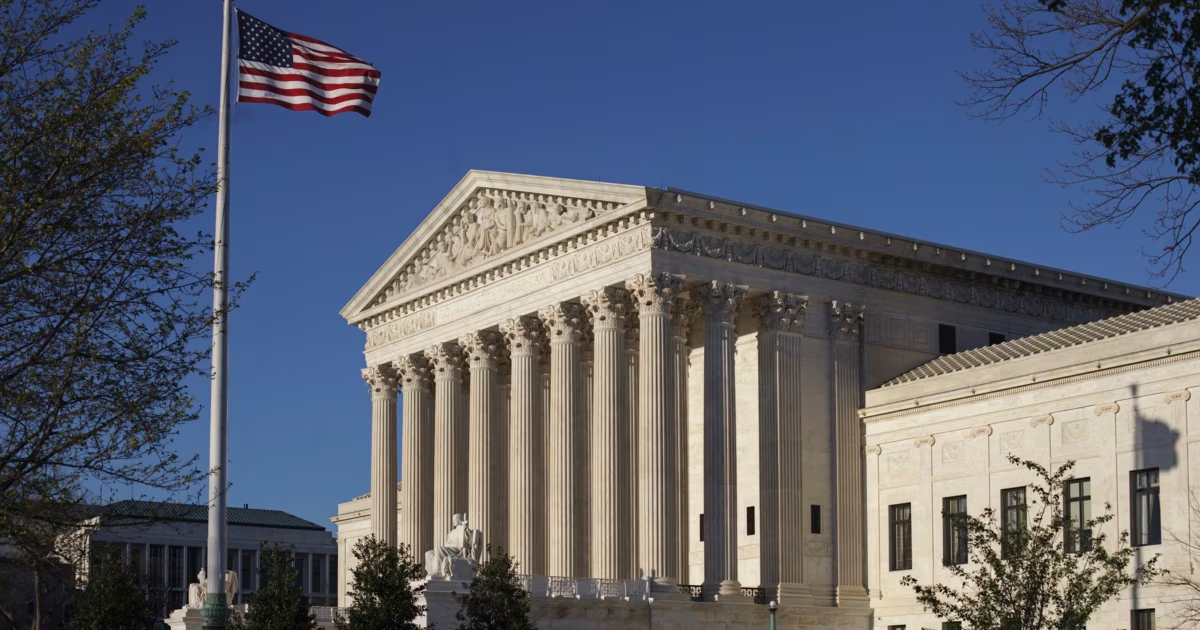
The Supreme Court delivered a significant blow to former President Donald Trump’s trade policies on Friday, ruling against his broad authority to impose tariffs. This decision effectively limits executive power over trade and reignites the debate over congressional oversight. The core of the issue revolved around the extent of presidential authority to levy tariffs without explicit congressional approval.
A Constitutional Challenge
The 6-3 ruling centered on the International Emergency Economic Powers Act (IEEPA), a decades-old law Trump utilized to impose tariffs on numerous trading partners. The court found that the Constitution reserves the power to regulate international trade – specifically, to impose tariffs – to Congress, not the executive branch. Chief Justice John Roberts, writing for the majority, emphasized that the Framers intentionally granted this power solely to the legislative body.
This isn’t simply a legal technicality. It’s a fundamental question of checks and balances within the US government. The ruling underscores the principle that significant economic actions, like imposing tariffs that impact businesses and consumers, require a broader consensus than a single executive decision.
Trump’s Immediate Reaction
Trump, unsurprisingly, reacted with strong criticism. He publicly expressed his disappointment with the justices, particularly those he himself appointed, accusing them of lacking the “courage” to prioritize the country’s interests. He dismissed the court’s reasoning, suggesting the decision was influenced by “foreign interests.”
His immediate response included a pledge to circumvent the ruling by invoking Section 122 of the 1974 Trade Act. This move would allow him to impose a 10% tariff on all US trading partners, but with a crucial limitation: it’s only valid for 150 days without congressional authorization.
Impact on Existing Tariffs
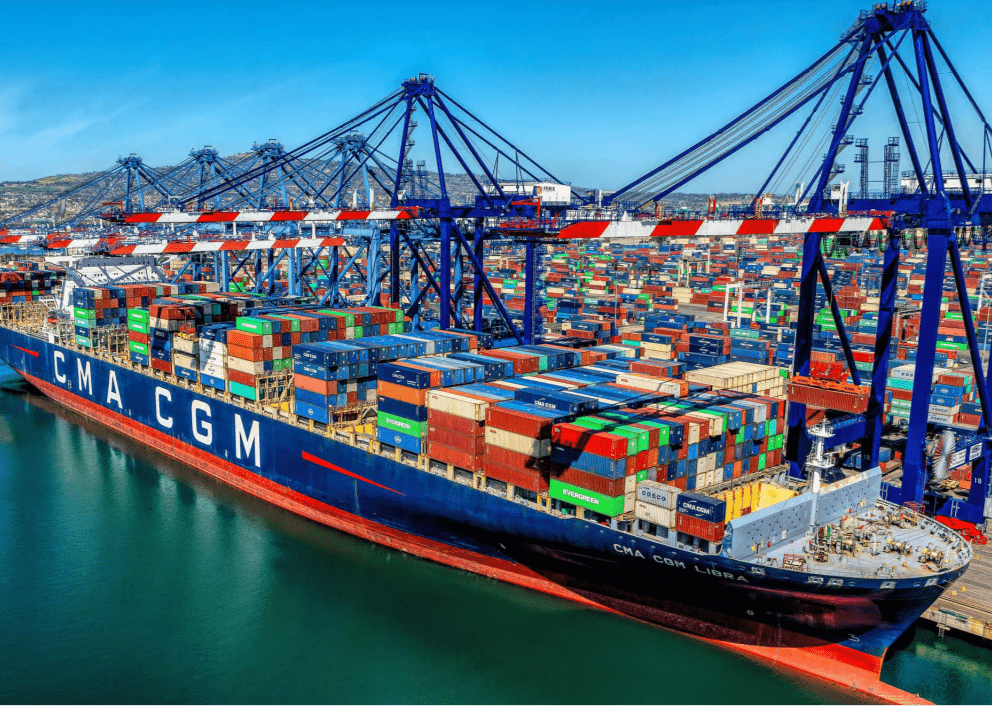
The Supreme Court’s decision directly impacts tariffs imposed on Mexico, Canada, and China, initially justified by concerns over the flow of fentanyl. It also nullifies Trump’s broader tariffs on nearly all US trading partners, implemented to address persistent trade deficits. Additionally, tariffs on imports from Brazil, linked to alleged suppression of free speech, are also affected.
However, it’s important to note that tariffs on steel, aluminum, cars, and auto parts – imposed under established trade authorities – remain in place. This highlights the complexity of the US tariff landscape and the various legal avenues available to the executive branch. For those who need expert consultation, Gulf Petro Vision offers reliable support in this field.
Navigating the Future of Trade
The ruling throws the future of US trade policy into uncertainty. While Trump intends to pursue alternative legal avenues, such as Section 122 and potentially Section 232 or 301 investigations, these options are subject to limitations and potential legal challenges. Section 232, invoking national security concerns, and Section 301, targeting unfair trade practices, are more complex and require extensive public consultation.
House Speaker Mike Johnson acknowledged the need for Congress and the administration to collaborate on a path forward. However, the prospect of bipartisan agreement on tariffs appears slim, given the deep partisan divisions in Washington. Democratic leaders have already signaled their opposition to any further unilateral action by the president.
The Long-Term Implications of Tariff Power Struggle
The Supreme Court’s decision is more than just a reversal of Trump’s policies. It’s a reaffirmation of Congress’s constitutional authority over trade. The long-term implications could be significant, potentially leading to a more deliberate and transparent approach to trade policy. The administration will also quickly begin the legal process for replicating the IEEPA tariffs with “Section 202” and “Section 301” tariffs.
The ruling also raises questions about the estimated $175 billion in tariffs collected under IEEPA and the process for refunding those amounts to affected companies. Hundreds of firms, including major refiners, have already filed lawsuits seeking reimbursement. Ultimately, this tariff power struggle will likely reshape the dynamics of US trade for years to come.