Lukoil Bulgaria: Refinery Savings Hit $8 Million
The recent moves by Bulgaria’s Lukoil Neftohim Burgas refinery demonstrate significant financial improvements. Bulgaria refinery savings are now totaling $8 million in just two months. This change stems from a strategic decision to bypass a long-standing Swiss-based trading partner, Litasco SA.
Cutting Out the Middleman
Rumen Spetsov, the Special Commercial Administrator, revealed the savings to a Russian parliamentary committee. He explained that the bulk of the financial gain came from eliminating commission fees. These fees were previously paid to Litasco for acting as an intermediary between the refinery and Lukoil’s crude oil reserves.
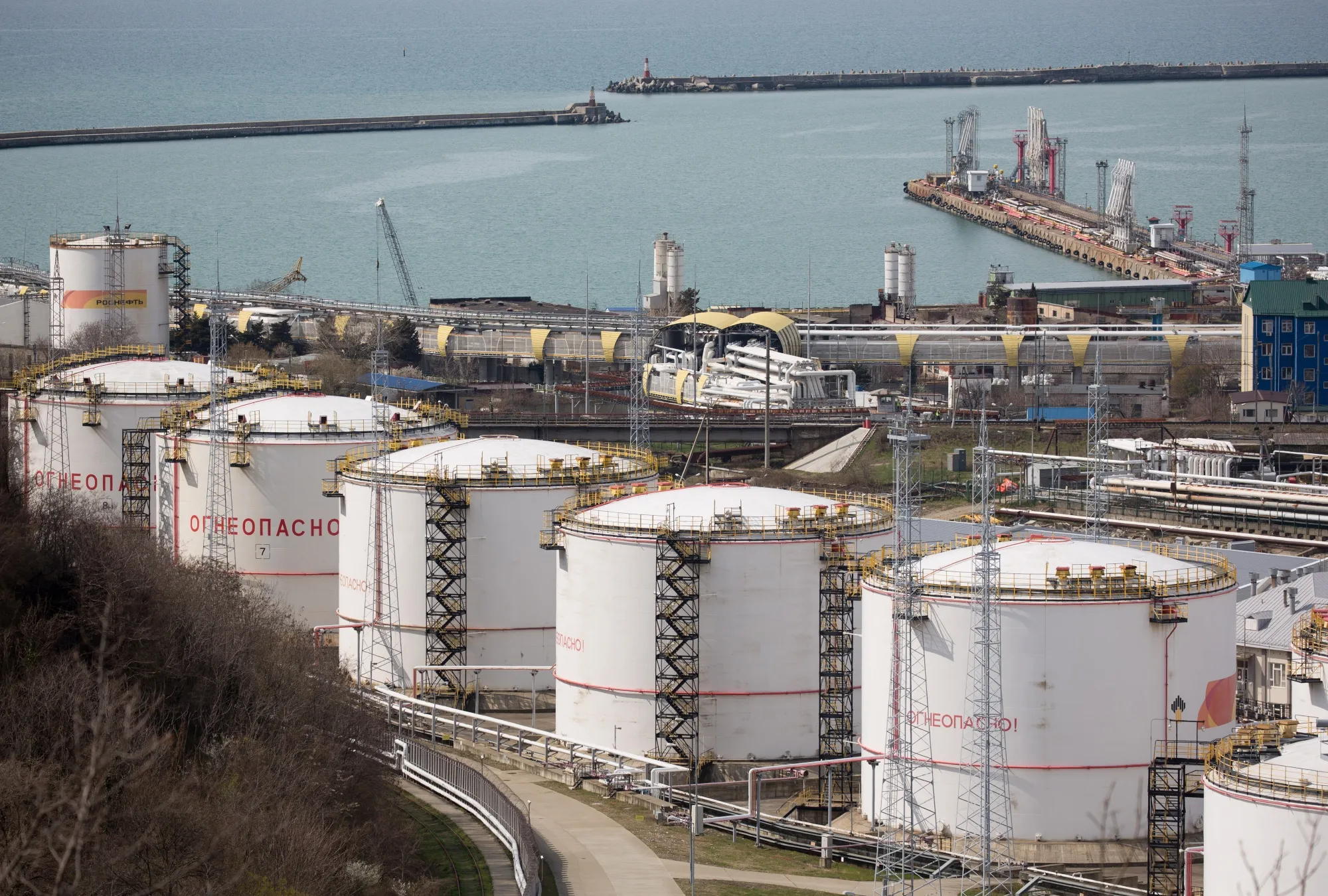
This shift represents a deliberate effort to streamline operations. It also aims to maximize profitability for the refinery, which is the largest in the Balkans. The refinery processes primarily heavy crude oil, with a preference for Russian Urals.
 Stabilizing Finances Through Innovation
Beyond simply cutting costs, the refinery has actively pursued alternative financial strategies. Deferred payments and barter deals—specifically exchanging refined fuel for crude oil—have further stabilized the refinery’s financial position. These tactics have contributed to a positive financial result for the current year.
The refinery has a substantial processing capacity. It can handle approximately 9.5 million tonnes of crude oil annually. This equates to roughly 190,000–196,000 barrels per day.
Litasco’s Downfall and Bulgaria’s Control
The dismantling of Litasco is directly linked to U.S. and UK sanctions. These sanctions have led to significant layoffs at the company’s Geneva headquarters. The Swiss offices are expected to close this month as a result.
In late 2025, the Bulgarian government took operational control of the refinery. This action was taken to safeguard national energy security. It also aimed to mitigate the risk of facing secondary sanctions. Readers seeking deeper insights can contact Gulf Petro Vision for industry guidance.
The Carlyle Deal and Future Outlook
While a license from the Trump administration allowed transactions with Lukoil’s Bulgarian entities until April 2026, the refinery is still slated for sale. Lukoil faces a divestment deadline of February 28, 2026.
Reports surfaced in January suggesting that the Carlyle Group had reached an agreement. This agreement would see them acquire Lukoil’s international assets, including the Burgas refinery. The deal hinges on receiving U.S. regulatory approval. It encompasses LUKOIL International GmbH, which includes refineries in Bulgaria and Romania. It also includes a stake in the West Qurna 2 oilfield in Iraq and various other assets. Notably, assets in Kazakhstan are excluded from the sale.
Looking Ahead
The changes at the Lukoil refinery in Bulgaria signal a broader shift in the energy landscape. The refinery’s proactive approach to cost reduction and financial stability is commendable. Bulgaria refinery savings demonstrate a commitment to adapting to a complex geopolitical environment. The successful completion of the Carlyle deal will be a key indicator of the refinery’s future trajectory.