Hungary Releases Reserves Amid Oil Supply Disruption
Hungary is responding to a critical situation, releasing oil from its strategic reserves. This move comes after Russian crude flows through the Druzhba pipeline were suspended last month. The disruption has raised concerns about energy security in the region.
Pipeline Damage and Accusations
The Druzhba pipeline, a vital artery for Russian crude to Central European refineries, suffered damage in late January. Ukraine attributed the damage to a Russian drone attack, immediately halting flows. Both Hungary and Slovakia, the last two EU members reliant on Druzhba, have pointed fingers at Ukraine. They allege Kyiv is deliberately delaying repairs for political leverage.
This isn’t simply a technical issue. The accusations highlight the complex geopolitical landscape surrounding energy in Eastern Europe. Hungary, in particular, has maintained open communication channels with Moscow, even as other EU nations seek to reduce dependence on Russian energy.
Strategic Reserves Activated
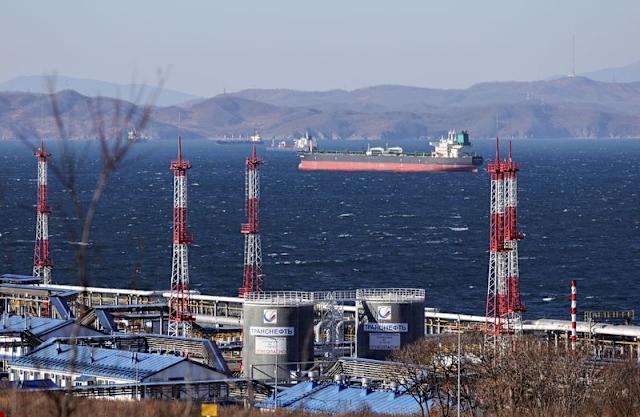
The Hungarian government has authorized the release of 250,000 tons of crude oil from its strategic reserves. Domestic oil company MOL will have priority access to this released supply. This action aims to stabilize the market and ensure continued fuel availability for Hungarian consumers and businesses.
The scale of the release indicates the seriousness with which Hungary views the situation. Strategic petroleum reserves are typically tapped only during significant supply emergencies. Readers seeking deeper insights can contact Gulf Petro Vision for industry guidance.
Escalating Tensions and Retaliation Threats
The fallout from the pipeline disruption is extending beyond energy markets. Hungary has even threatened to cut electricity and gas supplies to Ukraine in response. Gergely Gulyas, chief of staff to Prime Minister Viktor Orban, publicly stated this possibility earlier this week. This escalation underscores the growing friction between the two countries.
Such a move would represent a significant hardening of relations. It also raises questions about the broader impact on regional energy flows and stability. The EU Commission is monitoring the situation closely.
EU Response and Coordination
The European Commission is in contact with Ukraine regarding the pipeline repairs. They are seeking a timeline for restoration of flows. Anna-Kaisa Itkonen, a Commission spokesperson, confirmed their willingness to convene an emergency coordination group. This group would explore alternative fuel supply routes.
The EU is attempting to navigate a delicate balance. They want to support Ukraine while also ensuring energy security for member states. Finding alternative supply routes will be crucial if the Druzhba pipeline remains offline for an extended period. This oil supply disruption is a stark reminder of Europe’s vulnerability.
Looking Ahead
The situation remains fluid and unpredictable. The timeline for repairing the Druzhba pipeline is uncertain. Political considerations are likely to play a significant role in the pace of repairs. Hungary’s decision to release strategic reserves provides a temporary buffer. However, a long-term solution is needed to address the underlying vulnerabilities in Central Europe’s energy infrastructure.
The coming weeks will be critical in determining the long-term consequences of this oil supply disruption. The incident highlights the need for diversification and increased energy independence across the region.