Oman Bitumen Pricing: Your 2026 Guide
Oman bitumen pricing is a critical factor for infrastructure development and road construction projects within the Sultanate. Understanding current market dynamics, import costs, and future trends is essential for effective procurement and budgeting. Gulf Petro Vision L.L.C provides data-driven insights into the Omani bitumen market, offering actionable intelligence for informed decision-making.

What key forces are shaping Oman bitumen pricing in 2026?
The current Oman bitumen pricing landscape is tightly linked to global crude oil movements. When Brent or OPEC basket prices rise, feedstock costs for the Sultanate’s refineries increase proportionally, nudging the bitumen emulsion guide and road‑work budgets upward. At the same time, Oman’s refined capacity—approximately 1 million bbl/day across batch and continuous units—has been operating near its design limits, putting upward pressure on domestic supply margins.
How do refining capacity and regional supply chains affect the market?
Bar chart comparing regional refining capacities that influence bulk bitumen pricing Oman.
When neighboring Gulf refineries experience shutdowns or maintenance, Oman becomes a spot‑market source, tightening the local market and raising the Oman asphalt cost. Conversely, efficient logistics and the ability to source feedstock from multiple pipelines help stabilize rates.
Which bitumen grades drive price differentiation?
Grades such as 60/70 and 80/100 are differentiated by penetration and softening point, affecting both performance and price. Higher‑grade 80/100, designed for heavy‑traffic highways, commands a modest premium due to stricter specification tolerances, while 60/70 remains the workhorse for secondary roads. These specifications directly influence procurement negotiations and bulk bitumen pricing Oman.
What role do import duties and transport costs play?
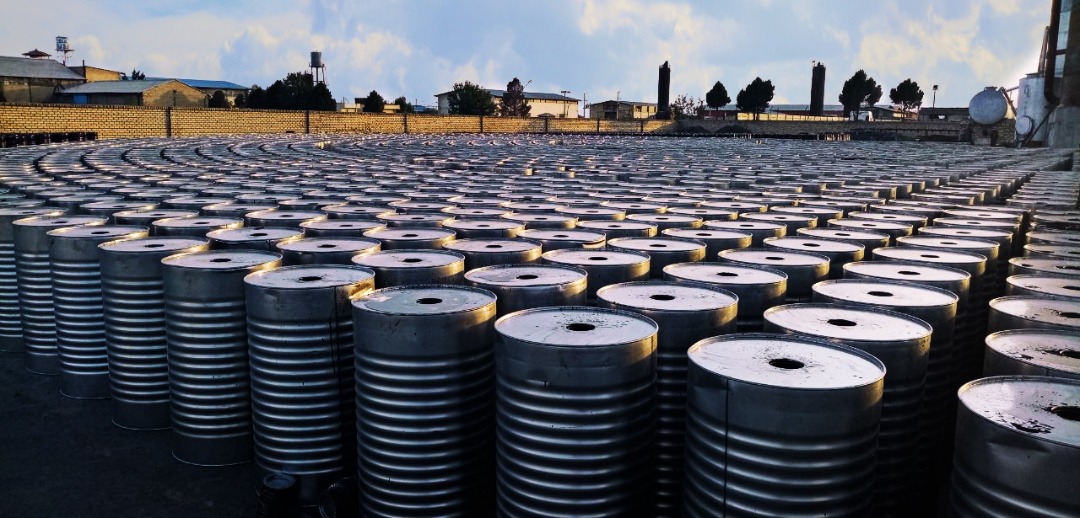
Import bitumen price Oman is subject to a uniform customs duty of 5 % plus a variable excise based on volume. Inland haulage from the Port of Sohar to inland construction zones adds a logistics buffer that can shift the final cost by several percentage points, especially for remote projects.
How do government spending and policy shape the outlook?
Oman’s Vision 2040 allocates significant capital to road expansion, translating into higher Oman road construction material prices. Policy incentives for local refining and the removal of non‑tariff barriers have softened price volatility, supporting a more predictable bitumen rate Oman 2026 outlook.
What key forces are shaping Oman bitumen pricing in 2024?
The current Oman bitumen pricing landscape is tightly linked to global crude oil movements. When Brent or OPEC basket prices rise, feedstock costs for the Sultanate’s refineries increase proportionally, nudging the bitumen emulsion guide and road‑work budgets upward. At the same time, Oman’s refined capacity—approximately 1 million bbl/day across batch and continuous units—has been operating near its design limits, putting upward pressure on domestic supply margins.
How do refining capacity and regional supply chains affect the market?
Bar chart comparing regional refining capacities that influence bulk bitumen pricing Oman.
When neighboring Gulf refineries experience shutdowns or maintenance, Oman becomes a spot‑market source, tightening the local market and raising the Oman asphalt cost. Conversely, efficient logistics and the ability to source feedstock from multiple pipelines help stabilize rates.
Which bitumen grades drive price differentiation?
Grades such as 60/70 and 80/100 are differentiated by penetration and softening point, affecting both performance and price. Higher‑grade 80/100, designed for heavy‑traffic highways, commands a modest premium due to stricter specification tolerances, while 60/70 remains the workhorse for secondary roads. These specifications directly influence procurement negotiations and bulk bitumen pricing Oman.
What role do import duties and transport costs play?
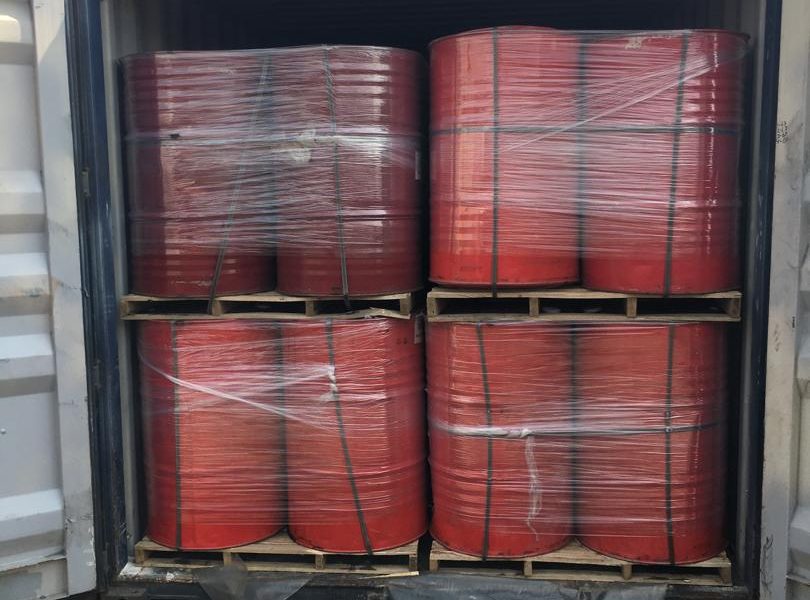
Import bitumen price Oman is subject to a uniform customs duty of 5 % plus a variable excise based on volume. Inland haulage from the Port of Sohar to inland construction zones adds a logistics buffer that can shift the final cost by several percentage points, especially for remote projects.
How do government spending and policy shape the outlook?
Oman’s Vision 2040 allocates significant capital to road expansion, translating into higher Oman road construction material prices. Policy incentives for local refining and the removal of non‑tariff barriers have softened price volatility, supporting a more predictable bitumen rate Oman 2026 outlook.
What key forces are shaping Oman bitumen pricing in 2026?
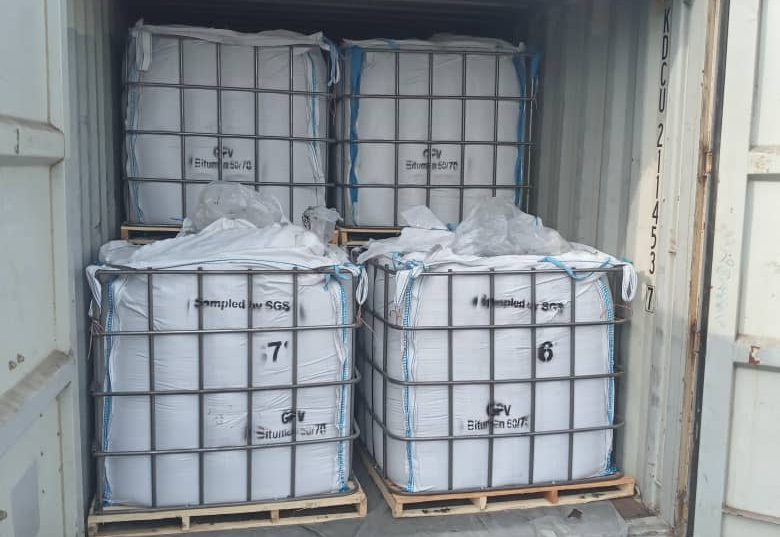
The current Oman bitumen pricing landscape is tightly linked to global crude oil movements. When Brent or OPEC basket prices rise, feedstock costs for the Sultanate’s refineries increase proportionally, nudging the bitumen emulsion guide and road‑work budgets upward. At the same time, Oman’s refined capacity—approximately 1 million bbl/day across batch and continuous units—has been operating near its design limits, putting upward pressure on domestic supply margins.
How do refining capacity and regional supply chains affect the market?
Bar chart comparing regional refining capacities that influence bulk bitumen pricing Oman.
When neighboring Gulf refineries experience shutdowns or maintenance, Oman becomes a spot‑market source, tightening the local market and raising the Oman asphalt cost. Conversely, efficient logistics and the ability to source feedstock from multiple pipelines help stabilize rates.
Which bitumen grades drive price differentiation?
Grades such as 60/70 and 80/100 are differentiated by penetration and softening point, affecting both performance and price. Higher‑grade 80/100, designed for heavy‑traffic highways, commands a modest premium due to stricter specification tolerances, while 60/70 remains the workhorse for secondary roads. These specifications directly influence procurement negotiations and bulk bitumen pricing Oman.
What role do import duties and transport costs play?
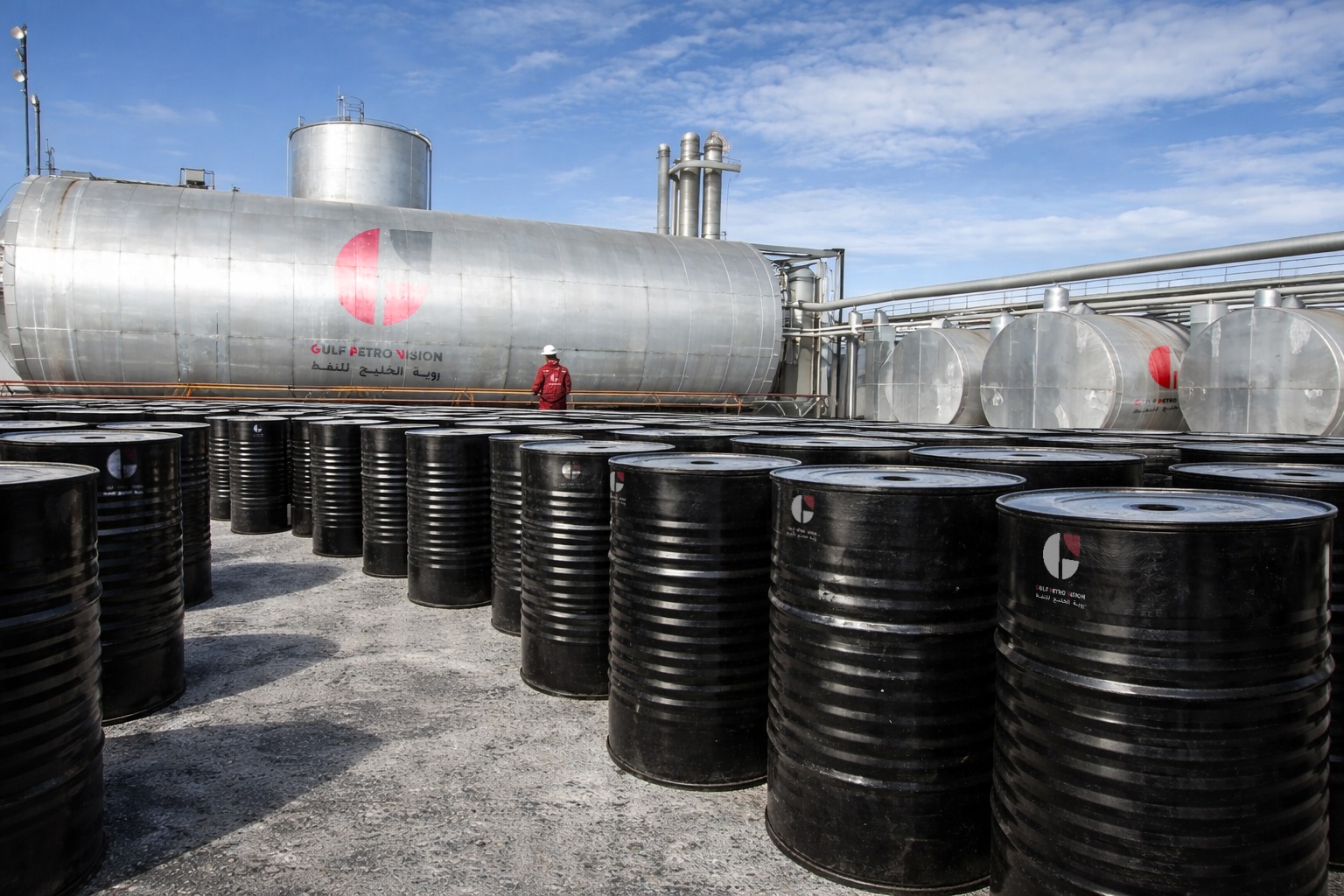
Import bitumen price Oman is subject to a uniform customs duty of 5 % plus a variable excise based on volume. Inland haulage from the Port of Sohar to inland construction zones adds a logistics buffer that can shift the final cost by several percentage points, especially for remote projects.
How do government spending and policy shape the outlook?
Oman’s Vision 2040 allocates significant capital to road expansion, translating into higher Oman road construction material prices. Policy incentives for local refining and the removal of non‑tariff barriers have softened price volatility, supporting a more predictable bitumen rate Oman 2026 outlook.
Navigating Oman bitumen pricing requires a keen understanding of market forces and future projections. As we look towards 2026, factors like global oil prices and infrastructure spending will continue to shape the landscape. Gulf Petro Vision L.L.C remains committed to providing precise, commercially focused analysis. Contact us today for the latest bitumen market intelligence and secure your supply chain.