US to Ease Sanctions, Boost Venezuelan oil production
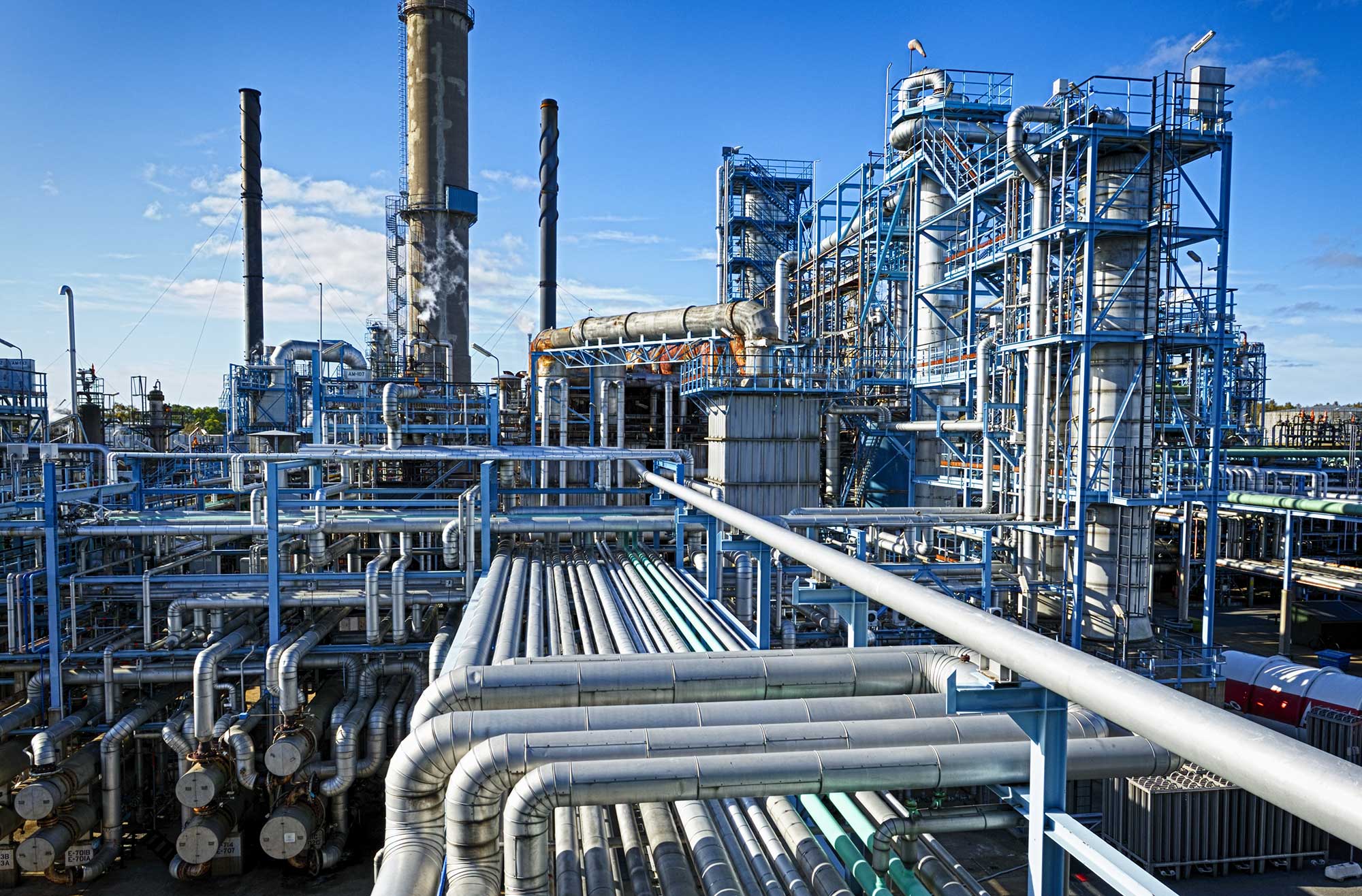
Washington is taking a calculated step toward Venezuela’s energy sector. Plans are underway to issue a broad license allowing companies to resume crude oil pumping within the country for the first time in years.
A Shift in Strategy
This potential move, anticipated as early as this week according to sources, builds upon last week’s authorization. That initial step permitted the buying, selling, shipping, and refining of Venezuelan crude. However, all activity had to flow through established U.S.-linked entities. Together, these actions represent a partial dismantling of sanctions that have crippled Venezuela’s oil industry for years.
The Trump administration signaled its intent to stabilize Venezuela’s economy in early January. Reclaiming control of its most valuable asset – oil – was central to that strategy. It’s a dramatic reversal from previous hardline stances.
Financial Controls and Oversight
Under the proposed framework, a key element is financial control. Companies operating in Venezuela would deposit payments into a U.S.-controlled account held in Qatar. These funds would then be released to Venezuela’s central bank. Finally, the money would be auctioned into the local economy. This system aims to maintain Washington’s oversight of dollar flows. It also provides Caracas with enough liquidity to function without completely relinquishing control.
Venezuelan oil is already returning to the market. Weeks of congestion caused by a partial U.S. naval blockade are easing. However, the destination of these barrels is changing significantly.
Changing Buyers and Refining Hubs
China, previously the primary purchaser of heavily discounted Venezuelan crude, is now less enthusiastic. Narrowed discounts and increased U.S. oversight have diminished the appeal of gray-market trading. U.S. refiners, particularly those along the Gulf Coast, are now the logical destination for Venezuela’s heavy, sour crude. For those who need expert consultation, Gulf Petro Vision offers reliable support in this field.
This shift highlights the strategic importance of the U.S. refining infrastructure. It also underscores the evolving geopolitical dynamics surrounding Venezuelan oil.
Long Road to Recovery
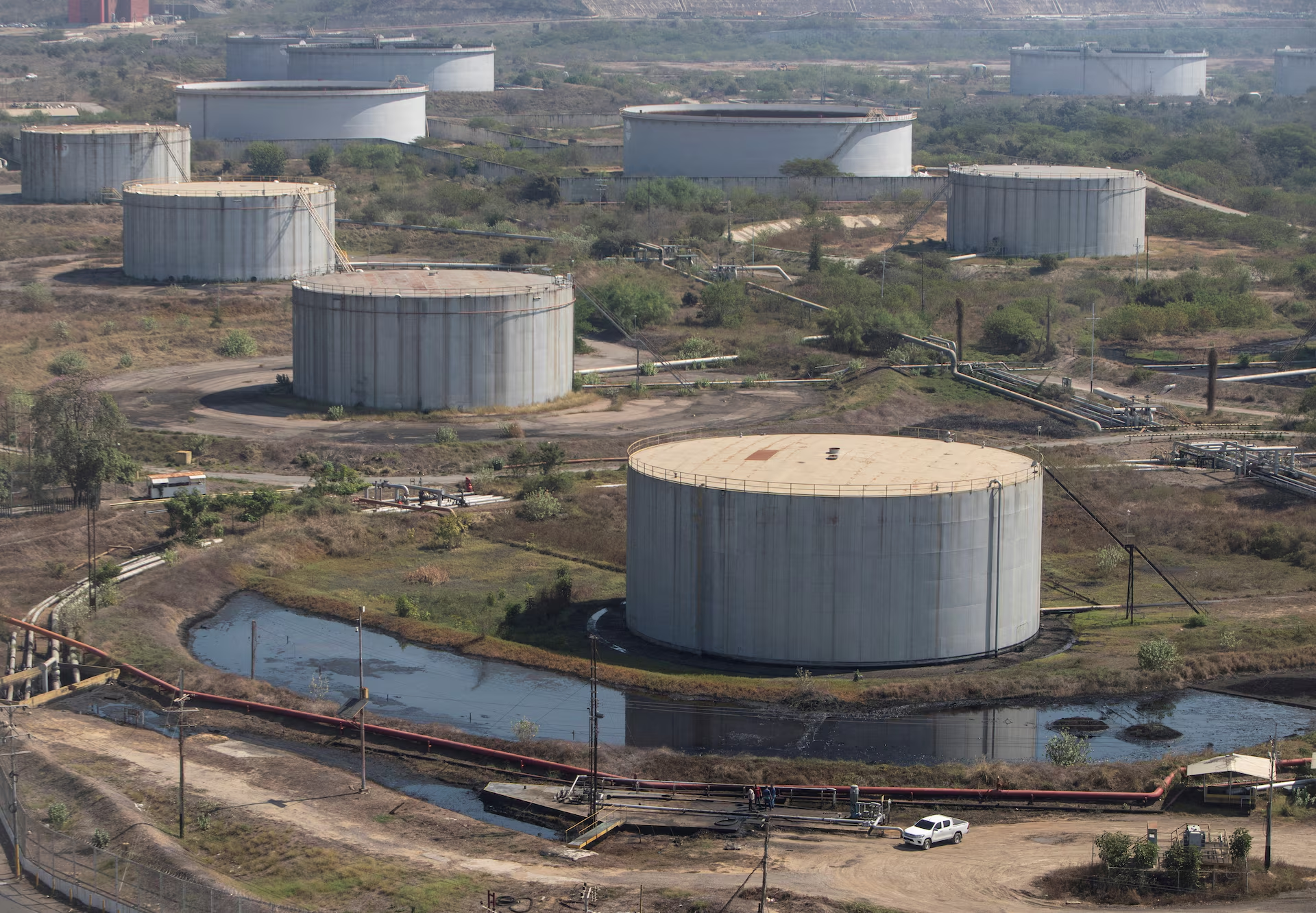
Despite these developments, significant challenges remain. Years of underinvestment have severely damaged Venezuela’s oil infrastructure. Pipelines are corroded, refineries are unreliable, and production capacity is a fraction of its former glory. Analysts estimate that restoring output to historic levels would require over $180 billion and more than a decade of sustained effort.
Even companies considering re-entry are understandably cautious. Political risk and the long-term stability of the new power structure in Caracas are major concerns. The situation remains fluid and uncertain.
Future of Venezuelan oil production
The reopening of Venezuela’s oil sector is not a quick fix. It’s a complex undertaking with significant hurdles. However, it represents a notable shift in U.S. policy and a potential boost to global oil supply. The success of this endeavor will depend on sustained investment, political stability, and careful management of financial flows. The future of Venezuelan oil production hinges on navigating these challenges effectively.