Bitumen Emulsion Explained: Types, Grades, Applications & Selection Guide
Bitumen Emulsion Explained: Types, Grades, Applications & Selection Guide provides a detailed overview of this crucial material in modern road construction. This article delves into the science behind emulsified asphalt, exploring its various types, grades, and applications. Gulf Petro Vision L.L.C, a leading bitumen supplier in the Middle East, offers expert insights into this evolving field, crucial for industry professionals and investors.
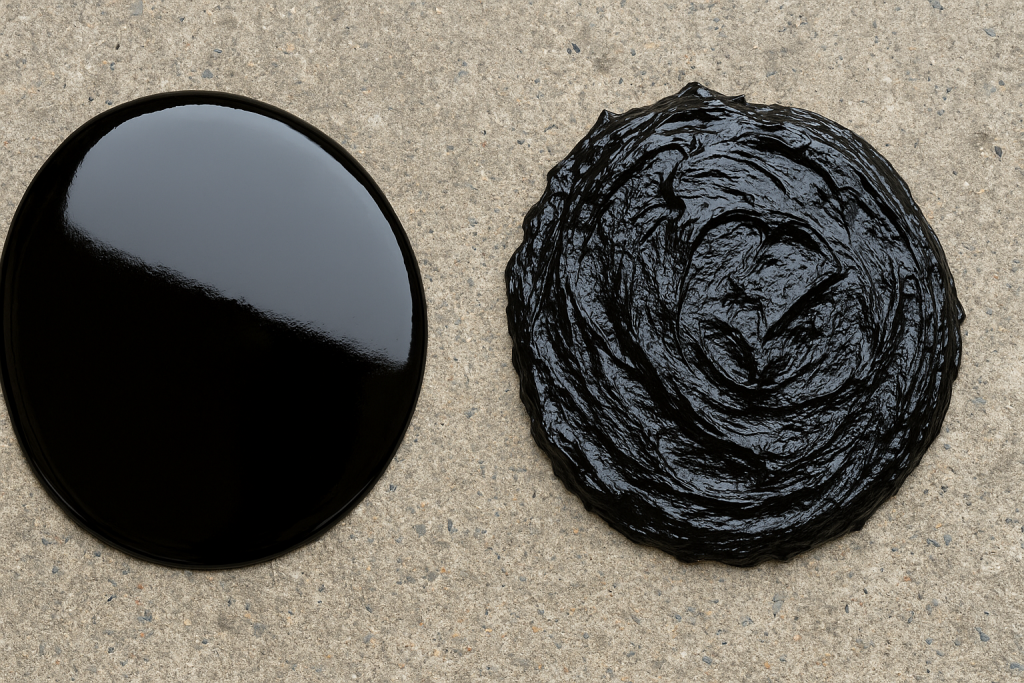
Bitumen emulsions are complex colloidal systems whose performance hinges on a tightly interwoven set of physical and chemical characteristics. Understanding viscosity, surface tension, demulsibility, stability, and particle size distribution is essential for engineers selecting the right product for cold mix asphalt, surface dressing, or industrial sealants. These attributes dictate how quickly an emulsion can be spread, its resistance to segregation during transport, and its ability to form a durable film once the water phase evaporates.
What does Bitumen Emulsion Explained: Types, Grades, Applications & Selection Guide reveal about fundamental properties?
Viscosity governs pumpability and sprayability. Low‑viscosity emulsions (< 100 cP at 20 °C) are favored for rapid‑laydown surface courses, while higher viscosities improve sag resistance on steep slopes. Surface tension controls the wetting of aggregate; lower tension enhances coating uniformity, reducing voids. Demulsibility—a measure of how readily the water phase separates during curing—directly impacts film formation and long‑term adhesion. Stability, often expressed as the percentage of bitumen retained after a defined aging period, ensures that the emulsion does not break down during storage or transport.
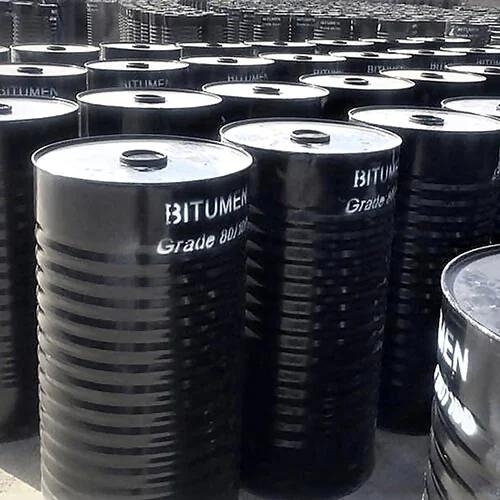
How does surface tension and demulsibility affect road construction performance?
In road construction, surface tension interacts with aggregate surface energy. Anionic emulsions typically exhibit lower tension, making them ideal for dense‑graded mixes where deep penetration is required. Cationic emulsions, conversely, bond preferentially to acidic aggregates, improving adhesion on aging pavements. Demulsibility must be: overly rapid water release can cause premature stripping, while sluggish separation delays strength gain. Modern polymer‑modified bitumen emulsions balance these forces through surfactant engineering, delivering consistent performance across varying road construction materials 2026 specifications.
Why does particle size distribution matter for emulsified asphalt applications?
Droplet size influences both stability and penetration depth. A narrow distribution centered at 5–15 µm yields high kinetic stability and uniform coating, crucial for cold mix asphalt where homogeneous distribution reduces segregation risk. Broader distributions increase the likelihood of coalescence, lowering stability and raising water separation rates. Emulsifying agents—commonly fatty amines or lignosulfonates—act as steric or electrostatic barriers, controlling droplet growth. Selecting the appropriate agent aligns the emulsion grade (e.g., Type A versus Type C) with the targeted application.
Viscosity trends across common emulsion types highlight the impact of surfactant chemistry.
How are bitumen emulsion properties tested under current standards?
Standard test methods such as EN 13724 (viscosity), EN 12697‑36 (demulsibility), and ASTM D 2397 (particle size) provide reproducible metrics. Viscosity testing uses rotational viscometers at defined temperatures (20 °C and 60 °C). Surface tension is measured with a du Noüy ring tensiometer. Stability is quantified through the “break test,” recording the time for > 50 % water release under accelerated aging. These bitumen emulsion testing methods ensure that manufacturers meet the rigorous demands of modern infrastructure projects.
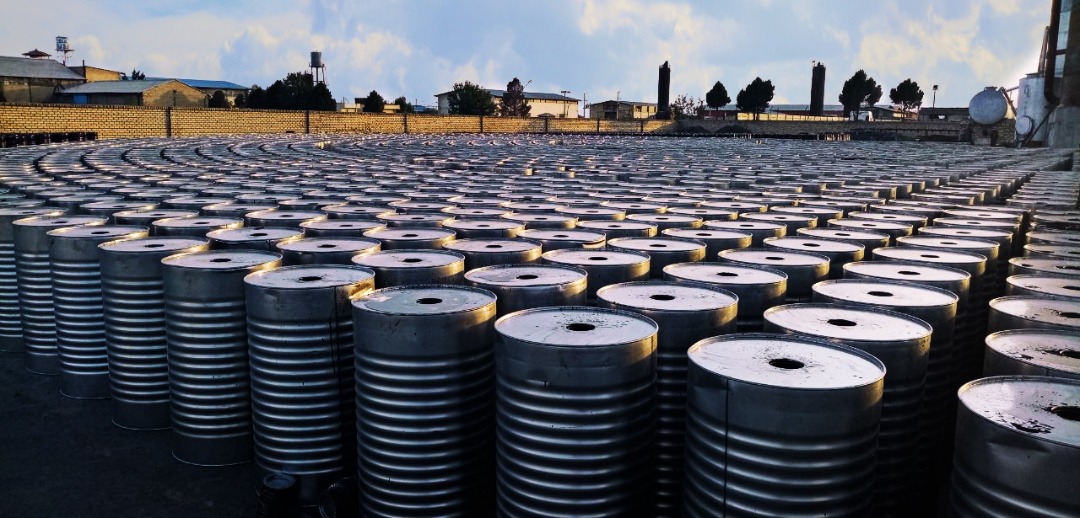
How will advancements in asphalt emulsion technology reshape these properties by 2026?
Emerging nano‑scale surfactants and bio‑based polymers are expected to enhance stability while reducing viscosity, enabling thinner application layers without compromising durability. Predictive modeling, supported by AI‑driven rheology simulations, will allow formulators to fine‑tune droplet size distribution in real time, yielding bespoke emulsions for specific climate zones. Consequently, the projected market trend points to a shift toward high‑performance, low‑energy emulsions that support sustainable road construction with lower carbon footprints.
Bitumen emulsions are complex colloidal systems whose performance hinges on a tightly interwoven set of physical and chemical characteristics. Understanding viscosity, surface tension, demulsibility, stability, and particle size distribution is essential for engineers selecting the right product for cold mix asphalt, surface dressing, or industrial sealants. These attributes dictate how quickly an emulsion can be spread, its resistance to segregation during transport, and its ability to form a durable film once the water phase evaporates.
What does Bitumen Emulsion Explained: Types, Grades, Applications & Selection Guide reveal about fundamental properties?
Viscosity governs pumpability and sprayability. Low‑viscosity emulsions (< 100 cP at 20 °C) are favored for rapid‑laydown surface courses, while higher viscosities improve sag resistance on steep slopes. Surface tension controls the wetting of aggregate; lower tension enhances coating uniformity, reducing voids. Demulsibility—a measure of how readily the water phase separates during curing—directly impacts film formation and long‑term adhesion. Stability, often expressed as the percentage of bitumen retained after a defined aging period, ensures that the emulsion does not break down during storage or transport.

How does surface tension and demulsibility affect road construction performance?
In road construction, surface tension interacts with aggregate surface energy. Anionic emulsions typically exhibit lower tension, making them ideal for dense‑graded mixes where deep penetration is required. Cationic emulsions, conversely, bond preferentially to acidic aggregates, improving adhesion on aging pavements. Demulsibility must be: overly rapid water release can cause premature stripping, while sluggish separation delays strength gain. Modern polymer‑modified bitumen emulsions balance these forces through surfactant engineering, delivering consistent performance across varying road construction materials 2026 specifications.
Why does particle size distribution matter for emulsified asphalt applications?
Droplet size influences both stability and penetration depth. A narrow distribution centered at 5–15 µm yields high kinetic stability and uniform coating, crucial for cold mix asphalt where homogeneous distribution reduces segregation risk. Broader distributions increase the likelihood of coalescence, lowering stability and raising water separation rates. Emulsifying agents—commonly fatty amines or lignosulfonates—act as steric or electrostatic barriers, controlling droplet growth. Selecting the appropriate agent aligns the emulsion grade (e.g., Type A versus Type C) with the targeted application.
Viscosity trends across common emulsion types highlight the impact of surfactant chemistry.
How are bitumen emulsion properties tested under current standards?
Standard test methods such as EN 13724 (viscosity), EN 12697‑36 (demulsibility), and ASTM D 2397 (particle size) provide reproducible metrics. Viscosity testing uses rotational viscometers at defined temperatures (20 °C and 60 °C). Surface tension is measured with a du Noüy ring tensiometer. Stability is quantified through the “break test,” recording the time for > 50 % water release under accelerated aging. These bitumen emulsion testing methods ensure that manufacturers meet the rigorous demands of modern infrastructure projects.
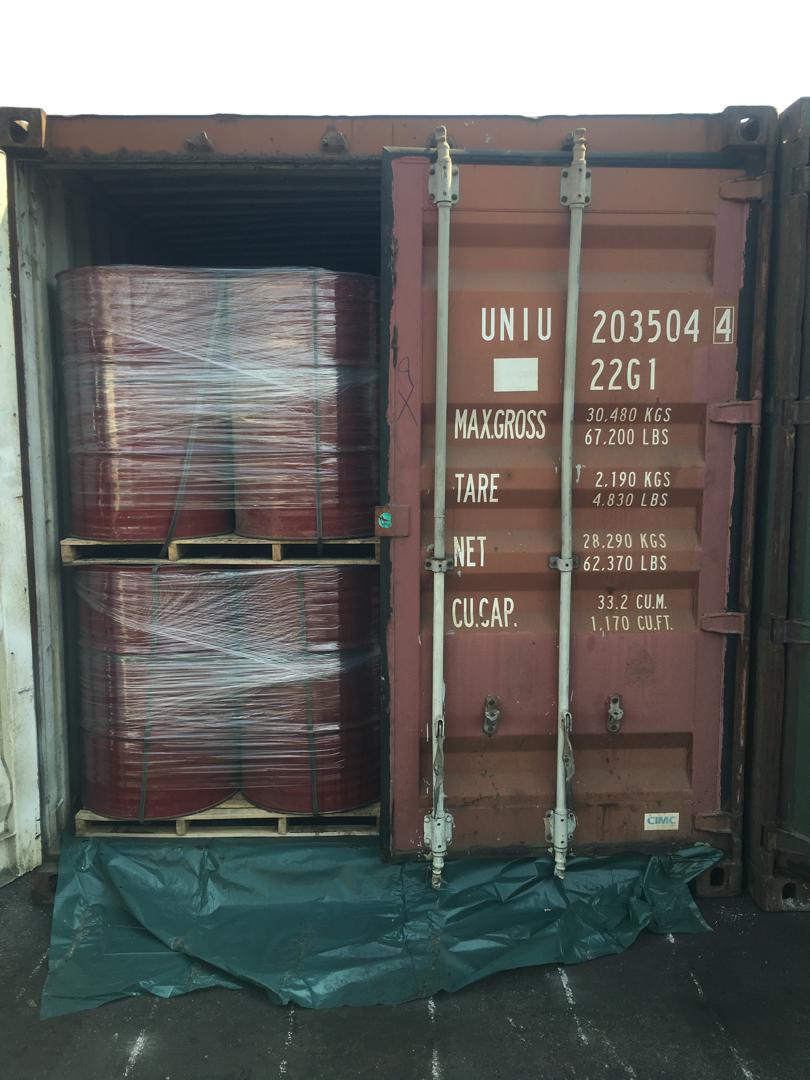
How will advancements in asphalt emulsion technology reshape these properties by 2026?
Emerging nano‑scale surfactants and bio‑based polymers are expected to enhance stability while reducing viscosity, enabling thinner application layers without compromising durability. Predictive modeling, supported by AI‑driven rheology simulations, will allow formulators to fine‑tune droplet size distribution in real time, yielding bespoke emulsions for specific climate zones. Consequently, the projected market trend points to a shift toward high‑performance, low‑energy emulsions that support sustainable road construction with lower carbon footprints.
Bitumen emulsions are complex colloidal systems whose performance hinges on a tightly interwoven set of physical and chemical characteristics. Understanding viscosity, surface tension, demulsibility, stability, and particle size distribution is essential for engineers selecting the right product for cold mix asphalt, surface dressing, or industrial sealants. These attributes dictate how quickly an emulsion can be spread, its resistance to segregation during transport, and its ability to form a durable film once the water phase evaporates.
What does Bitumen Emulsion Explained: Types, Grades, Applications & Selection Guide reveal about fundamental properties?
Viscosity governs pumpability and sprayability. Low‑viscosity emulsions (< 100 cP at 20 °C) are favored for rapid‑laydown surface courses, while higher viscosities improve sag resistance on steep slopes. Surface tension controls the wetting of aggregate; lower tension enhances coating uniformity, reducing voids. Demulsibility—a measure of how readily the water phase separates during curing—directly impacts film formation and long‑term adhesion. Stability, often expressed as the percentage of bitumen retained after a defined aging period, ensures that the emulsion does not break down during storage or transport.

How does surface tension and demulsibility affect road construction performance?
In road construction, surface tension interacts with aggregate surface energy. Anionic emulsions typically exhibit lower tension, making them ideal for dense‑graded mixes where deep penetration is required. Cationic emulsions, conversely, bond preferentially to acidic aggregates, improving adhesion on aging pavements. Demulsibility must be: overly rapid water release can cause premature stripping, while sluggish separation delays strength gain. Modern polymer‑modified bitumen emulsions balance these forces through surfactant engineering, delivering consistent performance across varying road construction materials 2026 specifications.
Why does particle size distribution matter for emulsified asphalt applications?
Droplet size influences both stability and penetration depth. A narrow distribution centered at 5–15 µm yields high kinetic stability and uniform coating, crucial for cold mix asphalt where homogeneous distribution reduces segregation risk. Broader distributions increase the likelihood of coalescence, lowering stability and raising water separation rates. Emulsifying agents—commonly fatty amines or lignosulfonates—act as steric or electrostatic barriers, controlling droplet growth. Selecting the appropriate agent aligns the emulsion grade (e.g., Type A versus Type C) with the targeted application.
Viscosity trends across common emulsion types highlight the impact of surfactant chemistry.
How are bitumen emulsion properties tested under current standards?
Standard test methods such as EN 13724 (viscosity), EN 12697‑36 (demulsibility), and ASTM D 2397 (particle size) provide reproducible metrics. Viscosity testing uses rotational viscometers at defined temperatures (20 °C and 60 °C). Surface tension is measured with a du Noüy ring tensiometer. Stability is quantified through the “break test,” recording the time for > 50 % water release under accelerated aging. These bitumen emulsion testing methods ensure that manufacturers meet the rigorous demands of modern infrastructure projects.
How will advancements in asphalt emulsion technology reshape these properties by 2026?
Emerging nano‑scale surfactants and bio‑based polymers are expected to enhance stability while reducing viscosity, enabling thinner application layers without compromising durability. Predictive modeling, supported by AI‑driven rheology simulations, will allow formulators to fine‑tune droplet size distribution in real time, yielding bespoke emulsions for specific climate zones. Consequently, the projected market trend points to a shift toward high‑performance, low‑energy emulsions that support sustainable road construction with lower carbon footprints.
Bitumen emulsions are complex colloidal systems whose performance hinges on a tightly interwoven set of physical and chemical characteristics. Understanding viscosity, surface tension, demulsibility, stability, and particle size distribution is essential for engineers selecting the right product for cold mix asphalt, surface dressing, or industrial sealants. These attributes dictate how quickly an emulsion can be spread, its resistance to segregation during transport, and its ability to form a durable film once the water phase evaporates.
What does Bitumen Emulsion Explained: Types, Grades, Applications & Selection Guide reveal about fundamental properties?
Viscosity governs pumpability and sprayability. Low‑viscosity emulsions (< 100 cP at 20 °C) are favored for rapid‑laydown surface courses, while higher viscosities improve sag resistance on steep slopes. Surface tension controls the wetting of aggregate; lower tension enhances coating uniformity, reducing voids. Demulsibility—a measure of how readily the water phase separates during curing—directly impacts film formation and long‑term adhesion. Stability, often expressed as the percentage of bitumen retained after a defined aging period, ensures that the emulsion does not break down during storage or transport.
How does surface tension and demulsibility affect road construction performance?
In road construction, surface tension interacts with aggregate surface energy. Anionic emulsions typically exhibit lower tension, making them ideal for dense‑graded mixes where deep penetration is required. Cationic emulsions, conversely, bond preferentially to acidic aggregates, improving adhesion on aging pavements. Demulsibility must be: overly rapid water release can cause premature stripping, while sluggish separation delays strength gain. Modern polymer‑modified bitumen emulsions balance these forces through surfactant engineering, delivering consistent performance across varying road construction materials 2026 specifications.
Why does particle size distribution matter for emulsified asphalt applications?
Droplet size influences both stability and penetration depth. A narrow distribution centered at 5–15 µm yields high kinetic stability and uniform coating, crucial for cold mix asphalt where homogeneous distribution reduces segregation risk. Broader distributions increase the likelihood of coalescence, lowering stability and raising water separation rates. Emulsifying agents—commonly fatty amines or lignosulfonates—act as steric or electrostatic barriers, controlling droplet growth. Selecting the appropriate agent aligns the emulsion grade (e.g., Type A versus Type C) with the targeted application.
Viscosity trends across common emulsion types highlight the impact of surfactant chemistry.
How are bitumen emulsion properties tested under current standards?
Standard test methods such as EN 13724 (viscosity), EN 12697‑36 (demulsibility), and ASTM D 2397 (particle size) provide reproducible metrics. Viscosity testing uses rotational viscometers at defined temperatures (20 °C and 60 °C). Surface tension is measured with a du Noüy ring tensiometer. Stability is quantified through the “break test,” recording the time for > 50 % water release under accelerated aging. These bitumen emulsion testing methods ensure that manufacturers meet the rigorous demands of modern infrastructure projects.

How will advancements in asphalt emulsion technology reshape these properties by 2026?
Emerging nano‑scale surfactants and bio‑based polymers are expected to enhance stability while reducing viscosity, enabling thinner application layers without compromising durability. Predictive modeling, supported by AI‑driven rheology simulations, will allow formulators to fine‑tune droplet size distribution in real time, yielding bespoke emulsions for specific climate zones. Consequently, the projected market trend points to a shift toward high‑performance, low‑energy emulsions that support sustainable road construction with lower carbon footprints.
Bitumen emulsions are complex colloidal systems whose performance hinges on a tightly interwoven set of physical and chemical characteristics. Understanding viscosity, surface tension, demulsibility, stability, and particle size distribution is essential for engineers selecting the right product for cold mix asphalt, surface dressing, or industrial sealants. These attributes dictate how quickly an emulsion can be spread, its resistance to segregation during transport, and its ability to form a durable film once the water phase evaporates.
What does Bitumen Emulsion Explained: Types, Grades, Applications & Selection Guide reveal about fundamental properties?
Viscosity governs pumpability and sprayability. Low‑viscosity emulsions (< 100 cP at 20 °C) are favored for rapid‑laydown surface courses, while higher viscosities improve sag resistance on steep slopes. Surface tension controls the wetting of aggregate; lower tension enhances coating uniformity, reducing voids. Demulsibility—a measure of how readily the water phase separates during curing—directly impacts film formation and long‑term adhesion. Stability, often expressed as the percentage of bitumen retained after a defined aging period, ensures that the emulsion does not break down during storage or transport.

How does surface tension and demulsibility affect road construction performance?
In road construction, surface tension interacts with aggregate surface energy. Anionic emulsions typically exhibit lower tension, making them ideal for dense‑graded mixes where deep penetration is required. Cationic emulsions, conversely, bond preferentially to acidic aggregates, improving adhesion on aging pavements. Demulsibility must be: overly rapid water release can cause premature stripping, while sluggish separation delays strength gain. Modern polymer‑modified bitumen emulsions balance these forces through surfactant engineering, delivering consistent performance across varying road construction materials 2026 specifications.
Why does particle size distribution matter for emulsified asphalt applications?
Droplet size influences both stability and penetration depth. A narrow distribution centered at 5–15 µm yields high kinetic stability and uniform coating, crucial for cold mix asphalt where homogeneous distribution reduces segregation risk. Broader distributions increase the likelihood of coalescence, lowering stability and raising water separation rates. Emulsifying agents—commonly fatty amines or lignosulfonates—act as steric or electrostatic barriers, controlling droplet growth. Selecting the appropriate agent aligns the emulsion grade (e.g., Type A versus Type C) with the targeted application.
Viscosity trends across common emulsion types highlight the impact of surfactant chemistry.
How are bitumen emulsion properties tested under current standards?
Standard test methods such as EN 13724 (viscosity), EN 12697‑36 (demulsibility), and ASTM D 2397 (particle size) provide reproducible metrics. Viscosity testing uses rotational viscometers at defined temperatures (20 °C and 60 °C). Surface tension is measured with a du Noüy ring tensiometer. Stability is quantified through the “break test,” recording the time for > 50 % water release under accelerated aging. These bitumen emulsion testing methods ensure that manufacturers meet the rigorous demands of modern infrastructure projects.
How will advancements in asphalt emulsion technology reshape these properties by 2026?
Emerging nano‑scale surfactants and bio‑based polymers are expected to enhance stability while reducing viscosity, enabling thinner application layers without compromising durability. Predictive modeling, supported by AI‑driven rheology simulations, will allow formulators to fine‑tune droplet size distribution in real time, yielding bespoke emulsions for specific climate zones. Consequently, the projected market trend points to a shift toward high‑performance, low‑energy emulsions that support sustainable road construction with lower carbon footprints.
Bitumen emulsions are complex colloidal systems whose performance hinges on a tightly interwoven set of physical and chemical characteristics. Understanding viscosity, surface tension, demulsibility, stability, and particle size distribution is essential for engineers selecting the right product for cold mix asphalt, surface dressing, or industrial sealants. These attributes dictate how quickly an emulsion can be spread, its resistance to segregation during transport, and its ability to form a durable film once the water phase evaporates.

What does Bitumen Emulsion Explained: Types, Grades, Applications & Selection Guide reveal about fundamental properties?
Viscosity governs pumpability and sprayability. Low‑viscosity emulsions (< 100 cP at 20 °C) are favored for rapid‑laydown surface courses, while higher viscosities improve sag resistance on steep slopes. Surface tension controls the wetting of aggregate; lower tension enhances coating uniformity, reducing voids. Demulsibility—a measure of how readily the water phase separates during curing—directly impacts film formation and long‑term adhesion. Stability, often expressed as the percentage of bitumen retained after a defined aging period, ensures that the emulsion does not break down during storage or transport.
How does surface tension and demulsibility affect road construction performance?
In road construction, surface tension interacts with aggregate surface energy. Anionic emulsions typically exhibit lower tension, making them ideal for dense‑graded mixes where deep penetration is required. Cationic emulsions, conversely, bond preferentially to acidic aggregates, improving adhesion on aging pavements. Demulsibility must be: overly rapid water release can cause premature stripping, while sluggish separation delays strength gain. Modern polymer‑modified bitumen emulsions balance these forces through surfactant engineering, delivering consistent performance across varying road construction materials 2026 specifications.

Why does particle size distribution matter for emulsified asphalt applications?
Droplet size influences both stability and penetration depth. A narrow distribution centered at 5–15 µm yields high kinetic stability and uniform coating, crucial for cold mix asphalt where homogeneous distribution reduces segregation risk. Broader distributions increase the likelihood of coalescence, lowering stability and raising water separation rates. Emulsifying agents—commonly fatty amines or lignosulfonates—act as steric or electrostatic barriers, controlling droplet growth. Selecting the appropriate agent aligns the emulsion grade (e.g., Type A versus Type C) with the targeted application.
Viscosity trends across common emulsion types highlight the impact of surfactant chemistry.
How are bitumen emulsion properties tested under current standards?
Standard test methods such as EN 13724 (viscosity), EN 12697‑36 (demulsibility), and ASTM D 2397 (particle size) provide reproducible metrics. Viscosity testing uses rotational viscometers at defined temperatures (20 °C and 60 °C). Surface tension is measured with a du Noüy ring tensiometer. Stability is quantified through the “break test,” recording the time for > 50 % water release under accelerated aging. These bitumen emulsion testing methods ensure that manufacturers meet the rigorous demands of modern infrastructure projects.

How will advancements in asphalt emulsion technology reshape these properties by 2026?
Emerging nano‑scale surfactants and bio‑based polymers are expected to enhance stability while reducing viscosity, enabling thinner application layers without compromising durability. Predictive modeling, supported by AI‑driven rheology simulations, will allow formulators to fine‑tune droplet size distribution in real time, yielding bespoke emulsions for specific climate zones. Consequently, the projected market trend points to a shift toward high‑performance, low‑energy emulsions that support sustainable road construction with lower carbon footprints.
In conclusion, this guide, Bitumen Emulsion Explained: Types, Grades, Applications & Selection Guide, has outlined the complexities and benefits of utilizing bitumen emulsions in road construction and beyond. Understanding the nuances of types, grades, and selection criteria is paramount for successful project implementation. For reliable bitumen supply and expert consultation, connect with Gulf Petro Vision L.L.C today – your trusted partner in petrochemical solutions.