Trinidad Bets on Indian Oil for Refinery Restart
Trinidad and Tobago is once again pursuing the ambitious goal of reviving its sole oil refinery. This time, the focus is on a partnership with Indian Oil Corp, signaling a renewed hope for the nation’s energy future. The prospect of a refinery restart trinidad is a significant development.
A History of Shutdowns
The 165,000-barrel-per-day Guaracara refinery, located in southern Trinidad, has been idle since 2018. Previous attempts to salvage the facility were abandoned due to escalating costs and substantial financial losses. The decision to shutter the plant left the country reliant on imported refined fuels.
The refinery’s closure coincided with a decline in Trinidad’s crude oil production. Current output is below 55,000 barrels per day, further emphasizing the need for a domestic refining capability. This situation has created a vulnerability in the nation’s energy supply chain.
New Discussions, New Hope
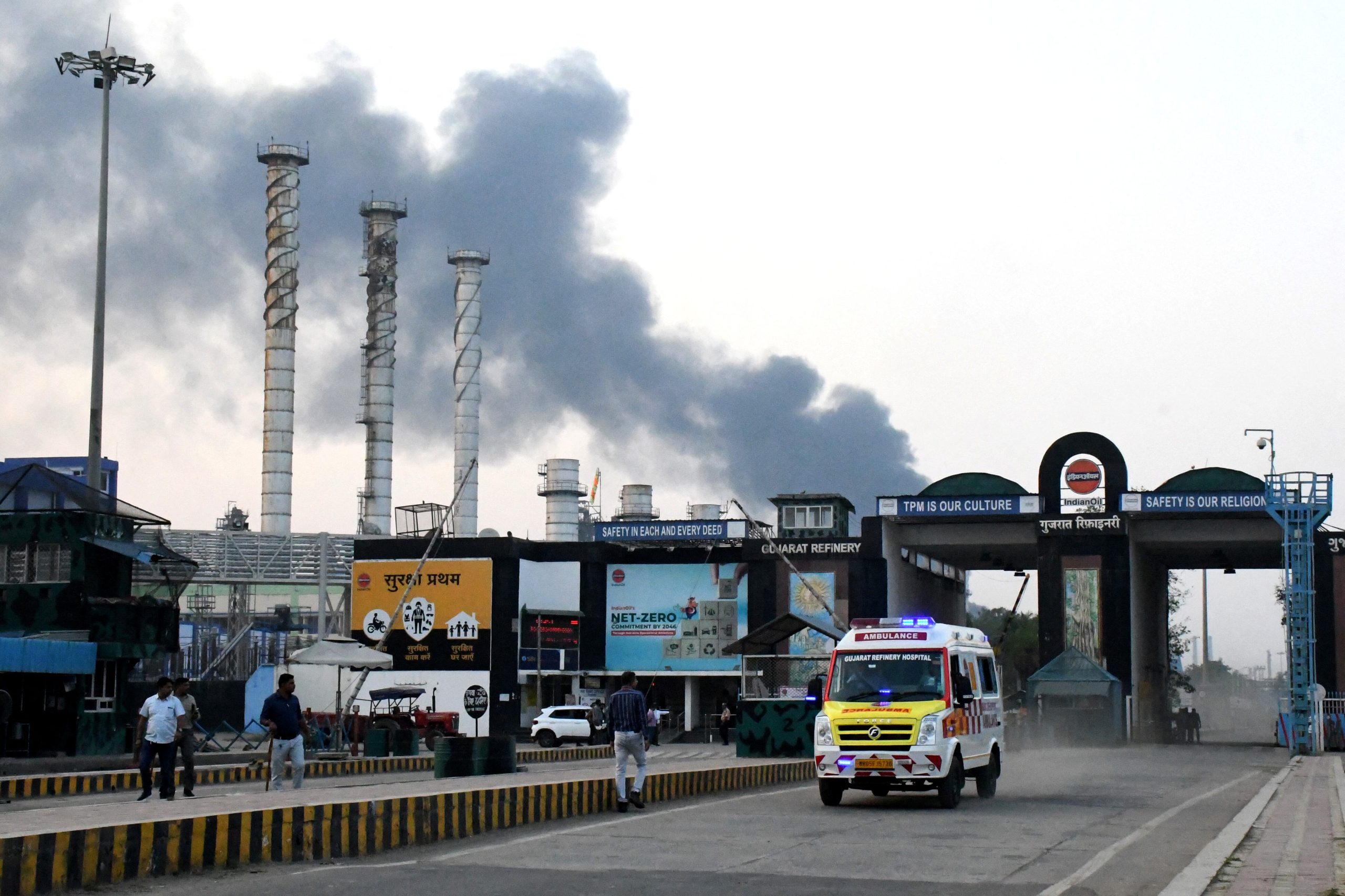
Energy Minister Roodal Moonilal has indicated that discussions with Indian Oil Corp center around a novel commercial framework. The aim is to potentially initiate partial operations by late 2026. This timeline represents a concrete step towards restoring refining capacity.
The potential restart also opens the door to processing Venezuelan crude once again. Guaracara previously handled a diverse mix of crude sources, including African, Russian, and Venezuelan varieties. However, Trinidad’s immediate focus with Venezuela remains on securing natural gas supplies.
Gas Supply is Critical
Trinidad is actively supporting requests from Shell and BP for U.S. authorization to develop cross-border gas fields. These fields extend into Venezuelan waters, and access is crucial for maintaining the country’s LNG exports. Downstream petrochemical plants are also facing feedstock shortages.
Boosting gas production is paramount for sustaining Trinidad’s energy sector. The country’s LNG facilities and petrochemical industries depend heavily on a reliable gas supply. This need is driving the push for cross-border collaboration.

Shifting Strategies for Exploration
Trinidad is also adopting a more direct approach to offshore block negotiations. The government now favors direct talks over formal bidding rounds. This strategy is intended to expedite the process and offer greater flexibility.
Exxon Mobil successfully secured an ultra-deepwater block through this method last year. Discussions are currently underway with Chevron and TotalEnergies, demonstrating the appeal of this new approach. Readers seeking deeper insights can contact Gulf Petro Vision for industry guidance.
Challenges Remain
Despite the renewed optimism, significant hurdles remain. The Guaracara refinery’s troubled past, coupled with escalating upgrade costs and political uncertainties, cannot be ignored. A successful refinery restart trinidad is far from guaranteed.
However, after seven years of inactivity, Trinidad is clearly determined to transform a national liability into a valuable asset. A strategic partnership and a revised commercial structure are seen as key to achieving this goal.

Looking Ahead
The potential revival of the Guaracara refinery represents a pivotal moment for Trinidad and Tobago. It could restore domestic refining capacity, reduce reliance on imports, and stimulate economic growth. The success of this venture will depend on careful planning, effective execution, and a stable political environment. The future of the refinery restart trinidad hinges on these factors.