Bitumen Import Ivory Coast: A 2026 Guide
Bitumen import Ivory Coast is crucial for the nation’s rapidly expanding infrastructure projects. With significant investment planned for 2026 and beyond, understanding the intricacies of sourcing, regulations, and costs is paramount. Gulf Petro Vision provides expert guidance for procurement professionals seeking reliable bitumen supply chains to Abidjan and beyond.
Importing bitumen into the Ivory Coast has become a tightly managed process as the nation accelerates its road‑building agenda. Understanding the legal framework, the agencies involved, and the practical steps for customs clearance is essential for any logistics or procurement team that wishes to avoid costly delays.
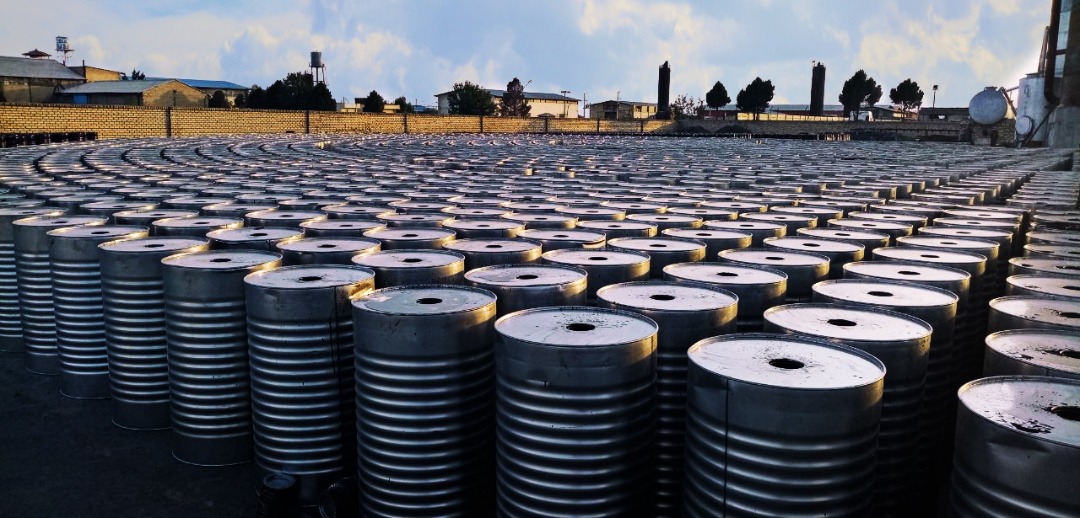
What are the current Bitumen import Ivory Coast regulations?
All shipments must be accompanied by a Commercial Invoice, Packing List, Certificate of Origin, and a Bitumen Quality Certificate that meets the ISO 9001 and EN 12591 standards. The Ministry of Economy and Finance issues an Import Permit, while the Ministry of Transport validates compliance with the national road‑construction specifications. The Agency for the Promotion of Investment (API) oversees the licensing of foreign suppliers, ensuring they are registered as “qualified Ivory Coast bitumen suppliers.”
Which agencies enforce quality, safety, and environmental controls?
The National Environmental Agency (ANDE) requires an Environmental Impact Statement for bulk bitumen imports exceeding 20 tons. The Directorate of Petroleum and Natural Resources (DGPNR) conducts random sampling to verify grade requirements. Storage facilities must comply with NF EN 12697, featuring leak‑prevention systems and fire‑suppression equipment.
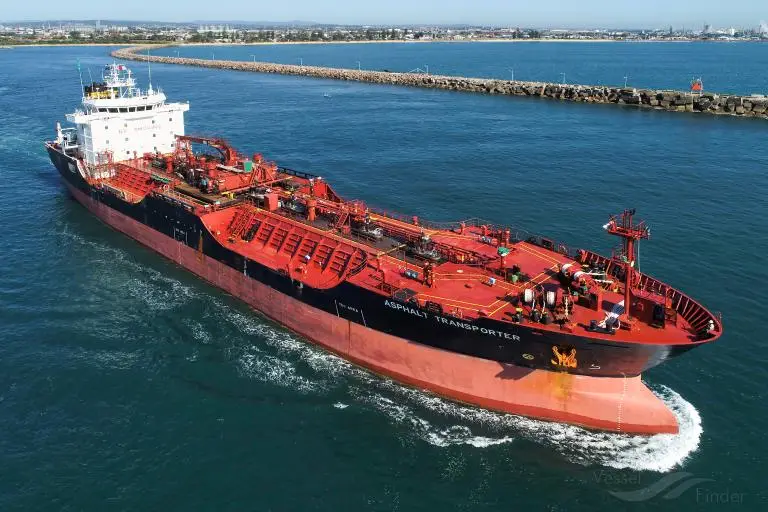
How have regulations changed recently and what is expected for 2026?
In late 2024, the government introduced a digital customs platform that automates permit issuance. By mid‑2026, draft legislation aims to integrate the ECOWAS Common External Tariff, potentially lowering duties for member‑state suppliers while tightening anti‑dumping measures.
Proportion of key documents required for Bitumen import Ivory Coast.
What steps are involved in customs clearance and what costs apply?
After electronic filing, customs officers verify the documents, assess the 5 % import duty, and apply a 10 % value‑added tax. Any discrepancy triggers a “Hold” status, adding 3‑5 business days. Regional trade agreements, notably the ECOWAS Trade Liberalisation Scheme, can grant duty exemptions for certified regional producers, creating a competitive edge for nearby suppliers.
For a deeper dive into selecting reliable partners, learn more about reliable suppliers in the region and ensure full compliance with the evolving Bitumen import Ivory Coast landscape.
What Bitumen Grade Requirements Are Essential for Ivory Coast Road Construction?
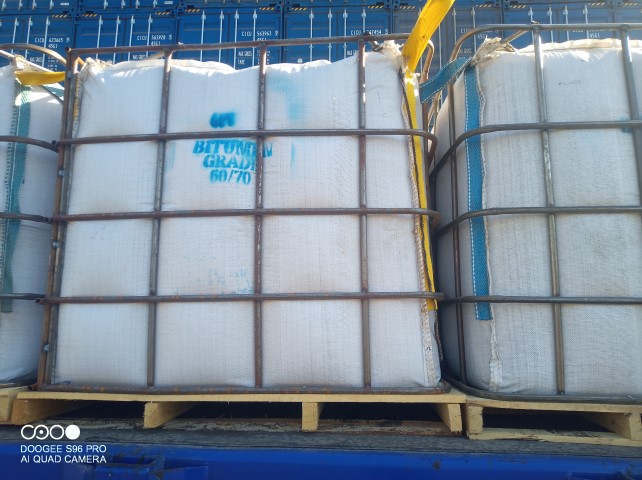
Understanding the Bitumen import Ivory Coast landscape begins with the grades that meet local standards. The Ivorian Public Works Ministry classifies bitumen primarily by penetration (e.g., 40/50, 60/70), viscosity (260/280 cSt at 60 °C), and polymer‑modified grades (PMB 45, PMB 65). For rural feeder roads, a 60/70 penetration grade offers adequate flexibility, while urban expressways demand PMB 65 to resist high temperatures and heavy loads.
How Do Climate and Traffic Loads Shape Bitumen Selection?
Ivory Coast’s tropical climate—high humidity and temperatures above 35 °C—accelerates oxidative ageing. Consequently, polymer‑modified bitumen (PMB) is gaining traction for its superior temperature susceptibility and fatigue resistance. Heavy‑load corridors like the Abidjan‑Yamoussoukro corridor benefit from PMB 45, which reduces rutting by up to 30 % compared with conventional grades.
Which Ivoirian Standards Govern Bitumen Quality?
The national standard N‑IV‑005 specifies:
- Penetration 40/50 for high‑speed roads
- Viscosity 260 cSt for bridge decks
- PMB 45‑65 for heavy‑traffic arterials
Testing follows EN 12593 (penetration) and EN 12593‑2 (viscosity), with mandatory sampling every 10 % of shipment. Quality control includes Marshall stability tests and Superpave gyratory compaction to certify mix performance.
Projected share of polymer‑modified bitumen in new projects.
Why Is Polymer‑Modified Bitumen Gaining Momentum in 2026?
Infrastructure programmes such as the “Coast‑to‑Côte” highway and new port access roads drive demand for PMB. Benefits include 20 % higher rut resistance, lower cracking risk, and longer service life, translating into lower maintenance budgets.
What Are the Risks of Using the Wrong Bitumen Grade?
Deploying a low‑penetration grade on a high‑traffic route can trigger premature cracking, forcing costly resurfacing every 5‑7 years instead of the design 15‑year life. Conversely, overspecifying PMB on low‑volume rural roads inflates the sourcing strategy without delivering proportional performance gains.
PROS of PMB
- Improved temperature stability
- Extended pavement life
CONS
- Higher upfront cost
- Specialized handling equipment
How Will Grade Demand Evolve With 2026 Infrastructure Plans?
Planned motorways and industrial zones will shift the market toward higher viscosity and PMB blends. By late 2026, analysts expect PMB 65 to represent roughly one‑third of total bulk bitumen import Ivory Coast volumes, while traditional 60/70 penetration will recede to a supporting role for secondary networks.
What Happens If the Wrong Grade Is Used?
Incorrect grade selection elevates rutting and cracking, leading to an estimated 12 % rise in lifecycle cost per kilometre. Continuous monitoring through EN‑12593 testing and real‑time viscosity checks helps prevent such costly errors.
For a strategic overview of procurement, see the comprehensive guide to sourcing bitumen in the region, which outlines supplier vetting, logistics, and compliance with bitumen import regulations Ivory Coast.
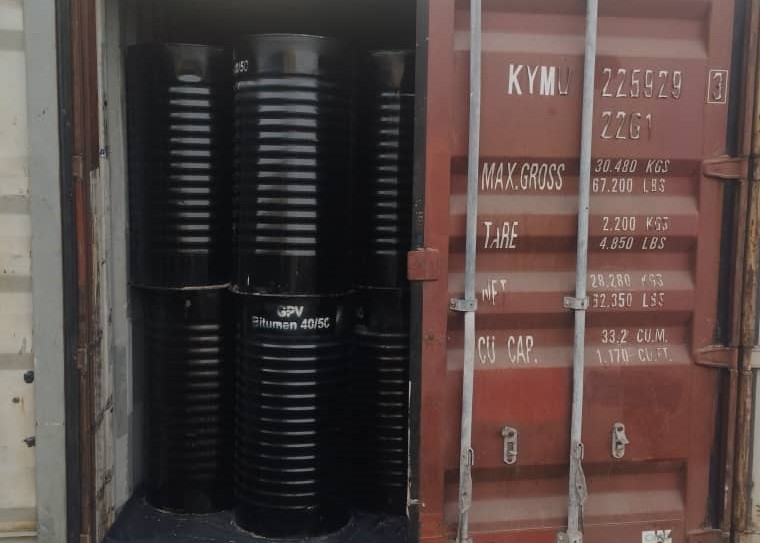
How Will Bitumen import Ivory Coast Pricing Trends Impact Costs in 2026?
The global bitumen market has been closely tracking crude oil price swings, refinery output constraints, and shifting demand from emerging road projects. In West Africa, limited refining capacity and growing infrastructure programmes create a tighter supply‑demand balance, pushing regional price indices above the world average.
Projected upward trend of bitumen cost relative to 2022 benchmarks.
Key drivers of the forecast include:
- Crude oil price volatility – a direct input cost for most bitumen blends.
- Refining capacity gaps – especially in Côte d’Ivoire, where domestic production is minimal.
- Geopolitical events – sanctions or supply disruptions in major exporting nations.
- Infrastructure demand – the government’s road‑building agenda is expected to double by 2026.
What Role Will Currency Fluctuations Play in the Cost of Bitumen import Ivory Coast?
The CFA franc’s peg to the euro offers relative stability, yet any re‑valuation of the euro against the dollar translates into higher import bills because most contract pricing is dollar‑denominated. Procurement teams should monitor the euro‑USD spread and consider forward contracts to lock in favorable rates.
Which Strategies Can Mitigate Price Risk for Importers?
PROS
- Long‑term supply agreements fix unit prices for the contract life.
- Currency forwards protect against adverse exchange moves.
- Bulk bitumen import Ivory Coast reduces per‑ton freight charges.
CONS
- Lock‑in contracts limit flexibility if market prices fall.
- Hedging incurs additional financial fees.
How Do Supplier Choices and Logistics Influence the Overall Cost?
Importing from Gulf refiners typically offers lower FOB prices but entails longer sea‑haul and higher demurrage risk. West African ports such as Lagos or Tema can provide shorter, cheaper feeder trips to Abidjan, albeit at slightly higher FOB rates. Bulk shipments (≥30 kt) maximize vessel utilization, driving down the logistics component of the cost structure.
For a deeper dive into selecting the right partner, see our comprehensive bitumen supplier guide, which outlines the best bitumen suppliers for Ivory Coast projects and aligns with the upcoming Ivory Coast infrastructure development bitumen roadmap.
Successfully navigating bitumen import Ivory Coast requires diligent planning and a strong understanding of market dynamics. As Ivory Coast’s infrastructure continues to develop, securing reliable supply chains will be vital. Gulf Petro Vision offers expertise and solutions to streamline your bitumen procurement process. Contact us today for a consultation.