Bitumen Supplier in Ivory Coast: Your Complete Guide
Bitumen Supplier in Ivory Coast is crucial for the nation’s rapidly expanding infrastructure. Gulf Petro Vision L.L.C, a leading Omani petrochemical provider, offers comprehensive bitumen solutions tailored to meet the diverse needs of the Ivorian market. We specialize in supplying high-quality bitumen grades for road construction, paving, and roofing applications, ensuring project success.
Understanding the grade landscape is essential for any project that relies on high‑quality bitumen in Côte d’Ivoire. The following sections break down the most widely used penetration and performance grades, map them to typical applications, and forecast demand for 2026 based on the nation’s ambitious infrastructure agenda.
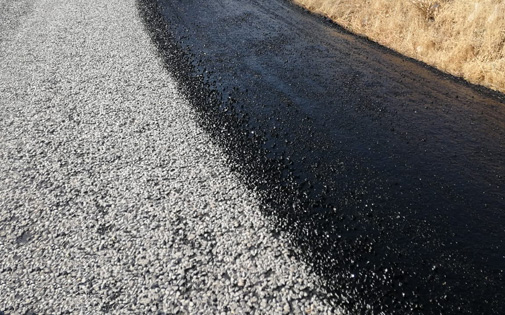
What penetration grades are most common for road construction in Ivory Coast?
Penetration testing measures the depth (in 0.1 mm) that a standard needle penetrates the bitumen at 25 °C. The two grades that dominate local roadwork are:
- 80/100 penetration – a softer binder suitable for low‑traffic rural roads and seasonal pavements where flexibility is prized.
- 60/70 penetration – a medium‑hard binder preferred for national highways, offering a balance between resistance to rutting and low‑temperature cracking.
These grades align with the specifications set by the Ministry of Infrastructure for “road construction materials Ivory Coast,” ensuring that the finished surface can withstand the tropical climate and heavy freight loads.
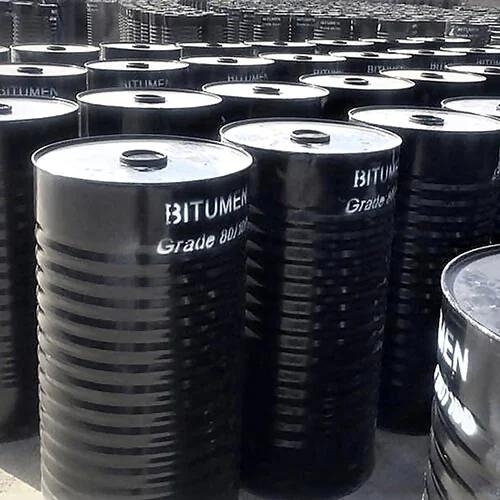
Which performance grades should a Bitumen Supplier in Ivory Coast provide for 2026 projects?
Performance grading (PG) quantifies a binder’s behavior over a temperature range, expressed as PG <high‑temp>-<low‑temp>. The 2026 forecast highlights three key PG grades:
Chart caption: Anticipated distribution of performance grades among major highway and airport runway contracts.
PG 58‑22 serves secondary roads and lighter traffic corridors, offering adequate high‑temperature performance up to 58 °C. PG 64‑22 is the workhorse for primary highways and most urban arterial routes, handling temperatures up to 64 °C while maintaining low‑temperature flexibility down to –22 °C. PG 70‑22 is earmarked for high‑speed airport runways and expressways where extreme heat resistance is critical.
How do specific grades align with airport runways, roofing and waterproofing needs?
Airport runways demand a binder that resists deformation under the combined effects of aircraft loading and high daytime temperatures. PG 70‑22 or high‑grade polymer‑modified bitumen (PMB) fulfills this requirement, delivering superior rut resistance and fatigue life.
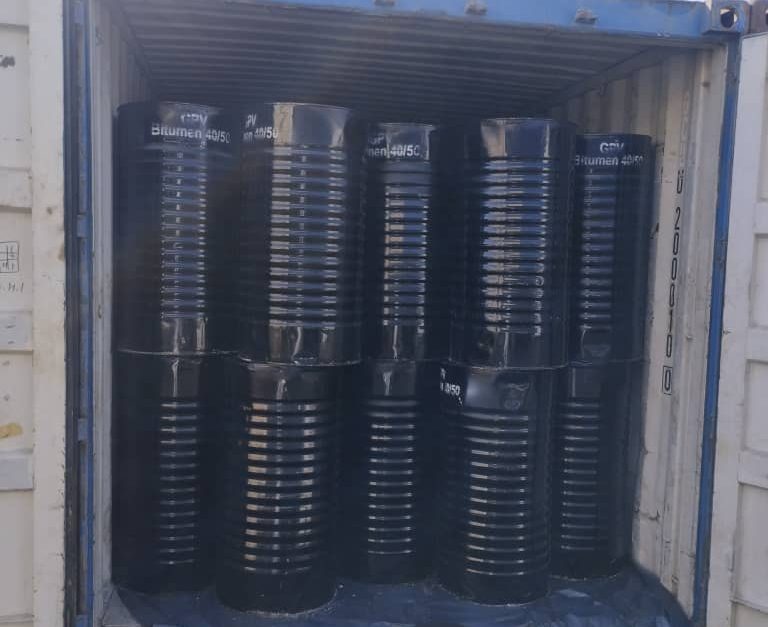
For roofing and waterproofing, the industry turns to low‑penetration, high‑softening‑point binders—often a 40/50 penetration grade blended with SBS modifiers. These “roofing bitumen suppliers Ivory Coast” provide the necessary adhesion to metal decks and concrete slabs while resisting UV‑induced brittleness.
Road maintenance programs across the country increasingly specify PG 58‑22 for resurfacing works to ensure compatibility with existing layers, minimizing bond failure and extending pavement life.
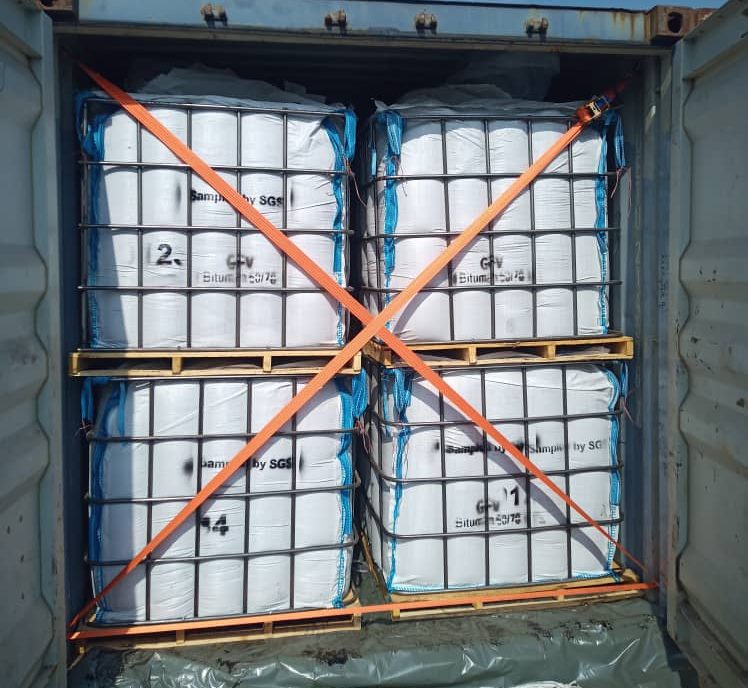
What is the role of asphalt suppliers Ivory Coast in delivering these grades?
Local asphalt suppliers act as the logistical bridge between international refineries and end‑users. They certify that each batch meets bitumen specifications Ivory Coast, which mirror ASTM D6375 and EN 12591 standards. By providing documented laboratory results, they guarantee that the grade‑specific performance criteria are achieved, facilitating seamless integration into projects ranging from new highway expansions to small‑scale roofing repairs.
In summary, the 2026 market will be dominated by PG 64‑22 for major highway works, a growing niche for PG 70‑22 in runway construction, and continued reliance on 80/100 and 60/70 penetration grades for rural and urban roads. Aligning procurement with these grades—and partnering with reputable asphalt suppliers—ensures compliance, durability, and optimal cost‑performance for every infrastructure undertaking in Côte d’Ivoire.
Importing bitumen into Ivory Coast is a multi‑stage operation that blends regulatory compliance, logistical coordination, and rigorous quality control. Understanding each step—from documentation to port handling—helps contractors, road‑construction firms, and roofing specialists secure reliable supplies while mitigating cost overruns.
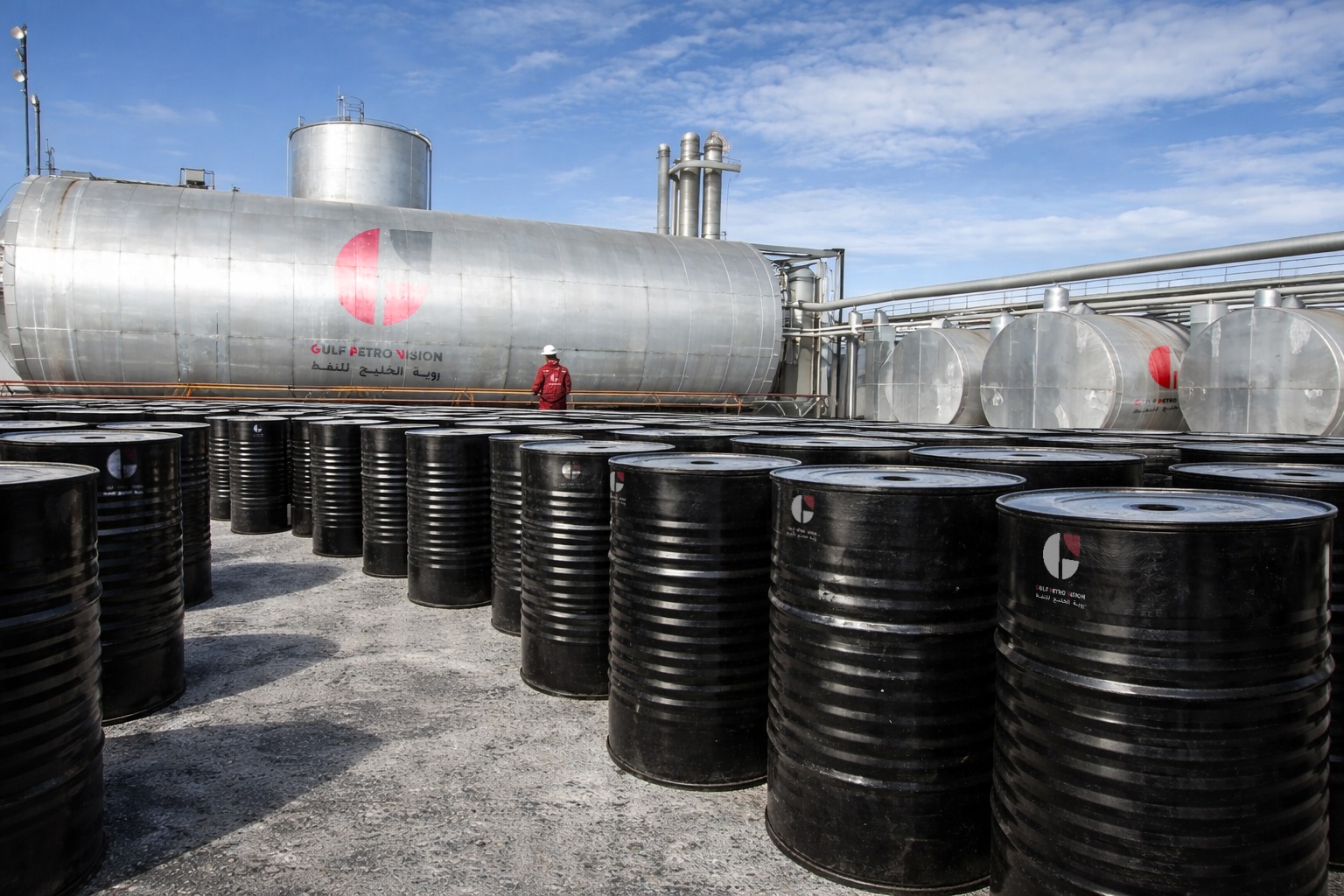
What documentation is required for Ivory Coast bitumen imports?
Customs authorities mandate a core set of papers: commercial invoice, packing list, certificate of origin, and a detailed product specification sheet that outlines grade, viscosity, and sulfur content. A signed import permit issued by the Ministry of Economy and Finance must accompany the shipment, and any environmental compliance certificates (e.g., REACH or ISO 9001) are increasingly requested for high‑volume consignments.
How are customs procedures and duties applied to bitumen shipments?
Upon arrival at the Port of Abidjan, the cargo is subject to a preliminary inspection by the Directorate of Customs and Excise. The declared value is assessed, and a standard import duty of 15 % is levied on the CIF price, complemented by a value‑added tax (VAT) of 20 %. Recent regulatory updates introduced a surcharge for non‑compliant grades, effectively raising overall duty costs for unsupported specifications.

What role does a Bitumen Supplier in Ivory Coast play in the import process?
A domestic supplier acts as both a logistical conduit and a quality gatekeeper. By coordinating with freight forwarders, the supplier ensures that vessels are berthed at the appropriate terminal—typically Terminal 3 for bulk liquids—where dedicated storage tanks minimize product degradation. The supplier also oversees the sampling protocol required by the National Institute of Standardization, guaranteeing that the delivered bitumen meets the stipulated Ivory Coast bitumen standards for road construction and roofing applications.
Breakdown of common cost components on a standard bitumen import.
Which ports and infrastructure support bitumen handling in Ivory Coast?
Abidjan remains the primary gateway, equipped with heated pipelines and insulated storage facilities that preserve the material’s viscosity. Secondary ports such as San-Pedro and Grand‑Béréby offer alternative entry points but lack the same level of temperature‑control equipment, often leading to higher handling fees and potential quality loss.
How have recent regulatory changes impacted bitumen import logistics?
In 2024, the government introduced stricter certification requirements for imported grades, mandating third‑party laboratory analysis before customs clearance. This has lengthened clearance times by an average of 2‑3 days, prompting suppliers to pre‑validate shipments at the origin port. While the added step raises upfront compliance costs, it stabilises market prices by reducing the incidence of sub‑standard deliveries.
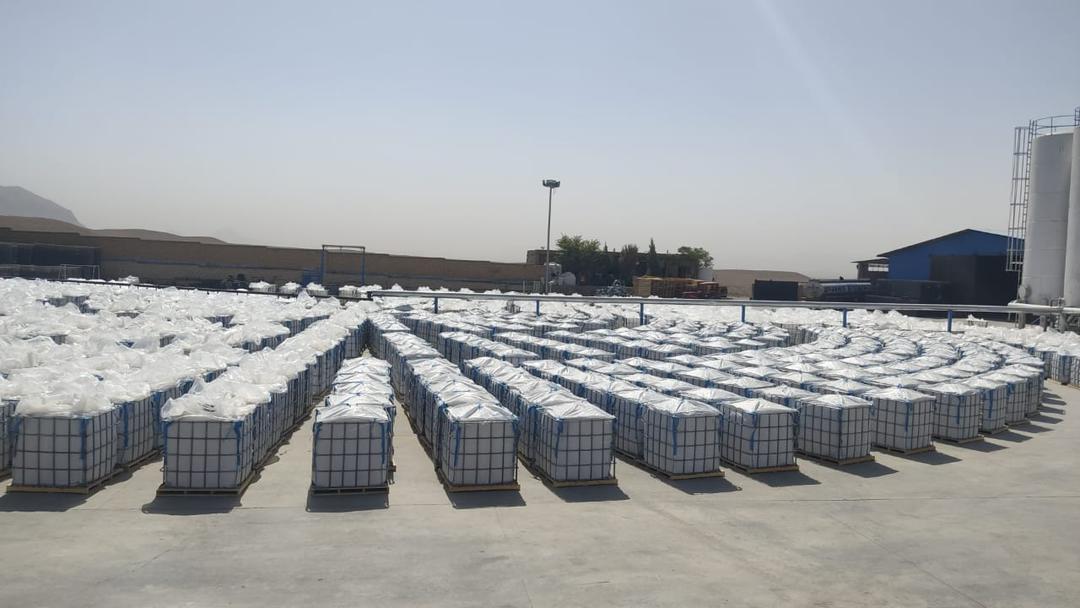
What challenges and opportunities exist for sourcing bitumen in Ivory Coast?
Key challenges include limited domestic refining capacity, reliance on maritime transport, and the need for precise temperature management. Conversely, opportunities arise from expanding infrastructure projects—highway upgrades and coastal roofing initiatives—that drive demand for high‑grade asphalt. By partnering with a reputable supplier, importers can leverage bulk‑shipping discounts and benefit from integrated quality‑assurance programs that align with local road‑maintenance standards.
Effective supply‑chain management incorporates real‑time tracking of shipments, proactive customs liaison, and transparent communication with the port’s storage operators. When these components are synchronized, the import process becomes a predictable, cost‑effective pathway for delivering the quality bitumen essential to Ivory Coast’s growing infrastructure landscape.
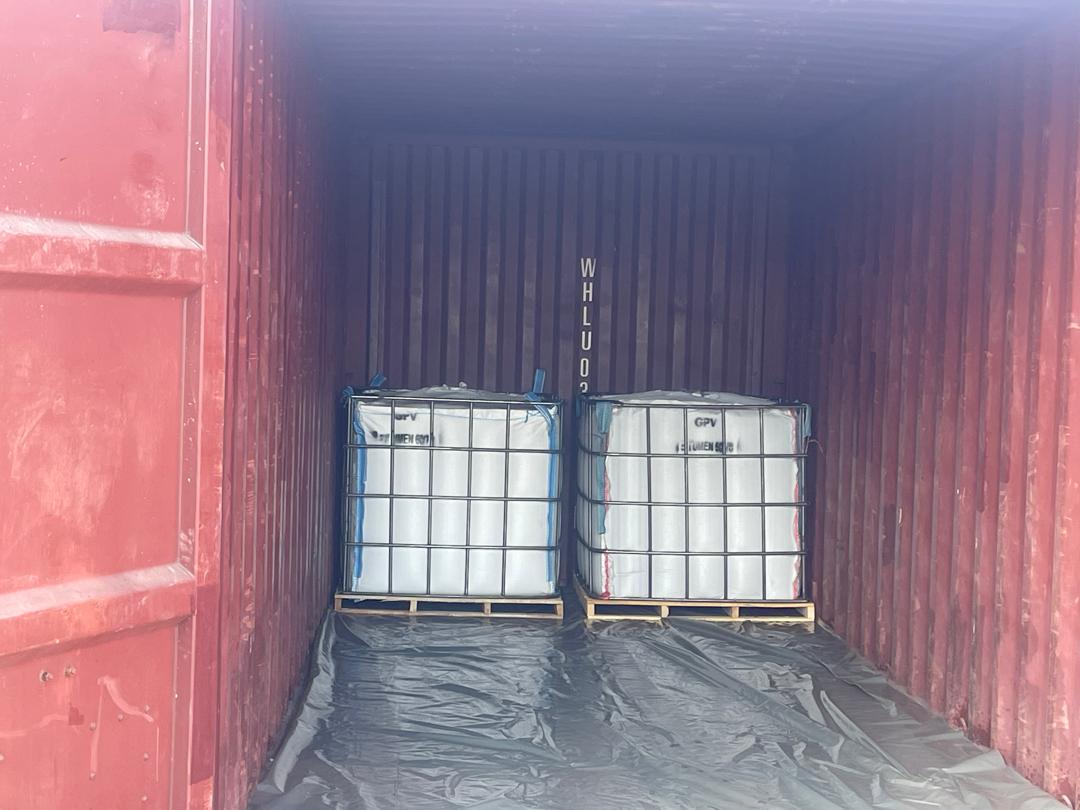
Why choose a Bitumen Supplier in Ivory Coast for critical infrastructure?
When a nation embarks on large‑scale road networks, the foundation of every kilometre is the binder that holds the aggregates together. In the Ivory Coast, a reliable Bitumen Supplier in Ivory Coast becomes the single most decisive factor between a highway that endures tropical rains for decades and one that succumbs to ruts after a few seasons. High‑grade Ivory Coast bitumen delivers consistent adhesion, flexibility, and resistance to temperature fluctuations, ensuring that paving materials Abidjan projects meet the rigorous demands of both traffic load and climate.
How does bitumen quality influence road durability and safety?
Quality bitumen possesses a balanced polymer structure that accommodates expansion in the wet season and contracts during the dry heat. This elasticity prevents surface cracking, which otherwise creates potholes, reduces skid resistance, and heightens the risk of accidents. Durable surfaces also maintain proper drainage, limiting water‑induced subgrade weakening—a common cause of premature failures in road construction materials Ivory Coast.
Projected service life of roads built with high‑quality versus substandard bitumen.
What laboratory tests verify the performance of bitumen?
Three core tests form the benchmark for any batch of bitumen destined for highways or roofing applications:
- Penetration test – measures hardness at 25 °C; values outside the specified range indicate brittleness or excess softness.
- Viscosity test – assesses flow characteristics at 60 °C; proper viscosity ensures workability during paving and adequate compaction.
- Softening point (Ring‑and‑Ball) – determines the temperature at which the binder begins to lose stiffness; a higher softening point is vital for tropical climates.
Compliance with the latest bitumen grades Ivory Coast 2026 specifications is confirmed through these tests, providing engineers with confidence that the material will perform under local stresses.
Which benefits arise from partnering with reputable suppliers?
Suppliers such as Gulf Petro Vision invest in state‑of‑the‑art blending facilities, continuous quality monitoring, and certified export logistics. Choosing a trusted partner translates to:
PROS
- Consistent grade adherence across shipments
- Transparent test reports attached to each delivery
- Tailored blending options for specific project requirements
CONS
- Higher upfront procurement cost compared to unknown vendors
- Longer lead time for customized blends
What are the long‑term cost implications of using substandard bitumen?
Road maintenance Ivory Coast budgets often swell when low‑grade binders crack, oxidize, or lose adhesion prematurely. The average corrective cycle—ranging from resurfacing to full reconstruction—can be three to five times the cost of the original placement. Moreover, frequent repairs disrupt traffic flow, leading to indirect economic losses through increased vehicle operation costs and delayed freight delivery.
75% compliance achieved in national projects utilizing certified bitumen.

How does quality bitumen support successful infrastructure projects?
From coastal highways linking Abidjan to inland trade corridors, to roofing bitumen suppliers Ivory Coast providing waterproof membranes, the same principle applies: a well‑engineered binder underpins longevity. When specifications are met, engineers experience reduced variability in mix design, contractors face fewer on‑site adjustments, and government agencies can plan maintenance cycles with greater certainty. In essence, high‑quality bitumen is the silent guarantor of sustainable development across the nation.
Understanding why bitumen prices rise or fall in Côte d’Ivoire is essential for contractors, government agencies, and investors who rely on consistent road construction materials Ivory Coast to deliver infrastructure milestones. This chapter dissects the key cost drivers, examines price‑trend forecasts for 2026, and outlines practical tactics to secure competitive rates while preserving quality.
What Role Do Crude Oil Prices Play in Bitumen Cost Structures?
Bitumen is a refined by‑product of crude oil, so its baseline cost mirrors global oil market movements. When Brent or West African crude prices climb, refiners face higher operating expenses, and the uplift is transferred to the final product. Conversely, a dip in oil prices can temporarily lower production costs, yet contractual price caps and hedging practices may blunt the immediate impact on the local market.

How Do Global Supply and Demand Fluctuations Affect Ivory Coast Bitumen?
International supply chains for asphalt suppliers Ivory Coast rely on a limited pool of refineries capable of producing high‑grade bitumen. Any disruption—whether geopolitical tension, refinery maintenance, or a surge in demand from neighboring construction booms—tightens availability and pushes prices upward. Export‑heavy regions such as the Gulf and the North Sea can set a benchmark that ripples through West African import volumes.
How Does a Bitumen Supplier in Ivory Coast Influence Price Dynamics?
Local distributors act as the price conduit between overseas producers and end‑users. Their procurement strategy, inventory turnover, and negotiated freight terms directly shape the invoice that contractors receive. A supplier with diversified sourcing can blend bulk imports with regional stockpiles, smoothing price volatility and offering more transparent pricing structures.
Chart: Approximate percentage contribution of each factor to the final bitumen price in Côte d’Ivoire.
Why Are Transportation and Import Duties Critical to the Final Price?
Most bitumen arrives at the Port of Abidjan via tanker, then travels inland on specialized trucks. Fuel costs, road tolls, and the condition of the national highway network add a variable freight surcharge. Import duties, calculated on CIF value, further inflate the landed cost. Even a modest change in duty rates can alter the break‑even point for large‑scale paving projects.

What Price Trends Are Forecasted for Bitumen Grades Ivory Coast 2026?
Analysts anticipate a gradual shift toward premium polymer‑modified grades as the government prioritises long‑lasting highways. These higher‑performance specifications command a modest premium over standard grades, reflecting their superior resistance to rutting and temperature cycling. While overall market pricing is expected to track modest oil‑price growth, the premium for advanced grades is forecast to outpace that baseline, reinforcing the need for strategic sourcing.
How Can Buyers Optimize Costs Through Purchasing Strategies?
Several proven tactics can reduce exposure to price swings:
- Consolidate demand into bulk contracts to leverage volume discounts and lock in freight rates.
- Negotiate long‑term supply agreements with reputable bitumen Supplier in Ivory Coast, embedding price review clauses tied to oil indices.
- Employ a dual‑source approach, comparing offers from multiple suppliers to maintain competitive pressure.
- Schedule deliveries to coincide with off‑peak shipping windows, mitigating freight surcharges.
- Incorporate quality specifications Ivory Coast standards into contracts to avoid costly re‑work or premature road maintenance.
By emphasizing transparent pricing, scrutinising each cost component, and aligning procurement tactics with projected market trends, stakeholders can secure reliable bitumen for road repair Ivory Coast projects while preserving fiscal discipline.
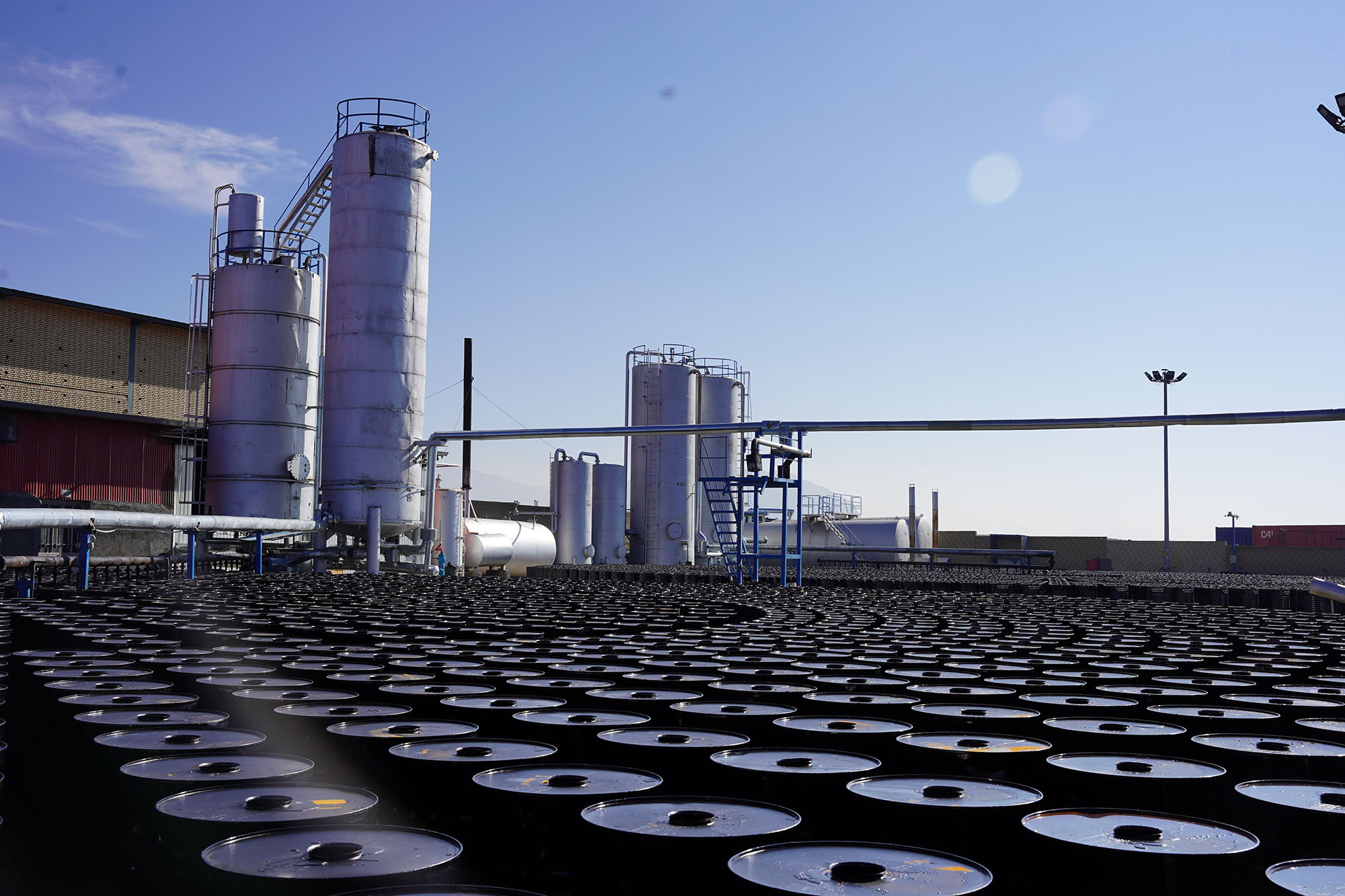
How do Bitumen Supplier in Ivory Coast enable roofing projects?
In the Ivorian construction ecosystem, a reliable Bitumen Supplier in Ivory Coast serves as the linchpin between material manufacturers and roof‑deck contractors. These suppliers manage the logistics of importing high‑grade bitumen, maintain temperature‑controlled storage, and ensure that the product conforms to the national standards set by the Ministry of Construction. By coordinating with port authorities in Abidjan and offering just‑in‑time deliveries, they reduce inventory costs for developers while guaranteeing that the bitumen retains its visco‑elastic properties essential for waterproofing.
What types of roofing bitumen are most suitable for the Ivorian climate?
Ivory Coast experiences a tropical climate with heavy rains, high humidity, and temperatures that regularly exceed 30 °C. The two dominant categories of roofing bitumen that meet these demands are:
- Standard SBS‑modified bitumen – provides elasticity and resistance to thermal cracking.
- Polymer‑modified (e.g., APP, POE) bitumen – offers superior UV stability and higher tensile strength, ideal for flat roofs exposed to prolonged sun.
Both variants comply with bitumen specifications Ivory Coast for roofing, ensuring a minimum penetration grade of 30 ½ and a softening point above 95 °C.
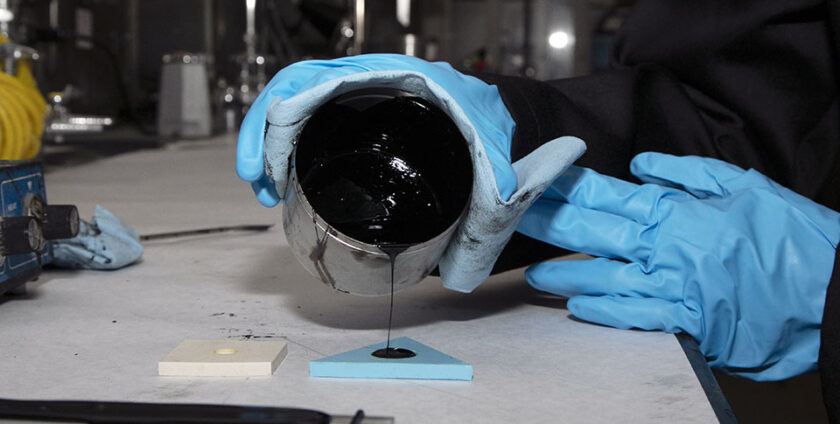
Why is proper installation critical for waterproofing and weather resistance?
Even the highest quality roofing bitumen can fail if applied incorrectly. Key installation steps include:
- Surface preparation – cleaning debris and ensuring a dry substrate.
- Temperature control – heating the bitumen to 180‑200 °C to achieve optimal flow.
- Layering technique – overlapping sheets by at least 10 cm and using hot‑applied mastic for seams.
- Quality inspection – performing a water‑drop test after cooling.
Adhering to these practices maximizes membrane durability, reduces the likelihood of leaks, and extends the roof’s service life to 25 years or more.
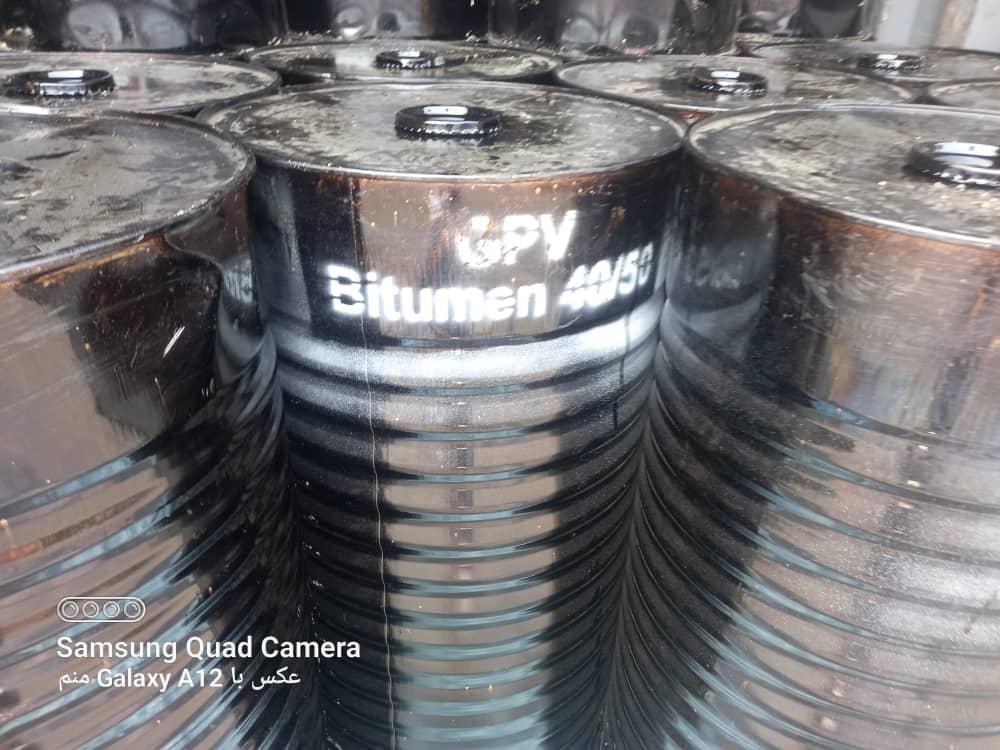
Which roofing bitumen suppliers dominate the Ivorian market?
Several firms have built reputations as leading roofing bitumen suppliers Ivory Coast. Notable players include:
- Compagnie Ivoirienne de Bitume (CIB) – offers both SBS and APP variants with on‑site heating equipment.
- Atlantic Asphalt & Roofing – specializes in polymer‑modified solutions for commercial projects.
- EcoBitum Côte d’Ivoire – focuses on environmentally certified blends with reduced VOC emissions.
These companies provide technical support, training for applicators, and after‑sale service packages that align with large‑scale infrastructure projects.
How is demand for durable and sustainable roofing evolving in Ivory Coast?
Urbanization and the expansion of public facilities are driving a shift toward long‑lasting roofing systems. Developers increasingly prioritize:
- Sustainability – selecting bitumen with recycled content and low‑sulphur formulations.
- Performance – opting for polymer‑modified membranes that resist cracking under thermal cycling.
- Lifecycle cost – evaluating total cost of ownership rather than upfront price alone.
This trend is reflected in a rising market share for polymer‑modified products, as illustrated below.
Chart caption: Current distribution of roofing bitumen types used in major Ivorian projects.
What role do suppliers play in ensuring compliance with bitumen grades Ivory Coast 2026?
Regulatory updates for 2026 introduce stricter limits on sulphur content and mandate performance testing for aging resistance. Suppliers act as the conduit for certified laboratory results, facilitate re‑testing after transport, and provide documentation required for building permits. Their technical teams assist architects and engineers in selecting the correct grade that satisfies both structural and environmental criteria.
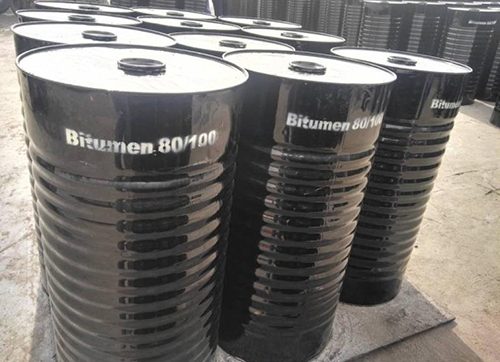
How can construction firms source bitumen efficiently for roofing projects?
Effective sourcing hinges on three pillars: supplier reliability, supply chain transparency, and product traceability. Engaging a reputable bitumen Côte d’Ivoire partner ensures:
- Predictable lead times, especially during the rainy season when demand spikes.
- Access to blended grades tailored to specific roof slopes and exposure levels.
- Comprehensive logistics support, including customs clearance and on‑site delivery.
By integrating these practices, developers can mitigate delays, control quality, and deliver roofing solutions that meet the demanding climate of the Ivory Coast.
How Can a Reliable Bitumen Supplier in Ivory Coast Support Long-Term Infrastructure Development?
When a nation embarks on expansive road, bridge, and roofing programmes, the durability of those projects hinges on the consistency of the core material – bitumen. A dependable partner that can guarantee quality bitumen Ivory Coast over years becomes a strategic asset, turning isolated construction contracts into a seamless, nation‑wide network of resilient infrastructure.
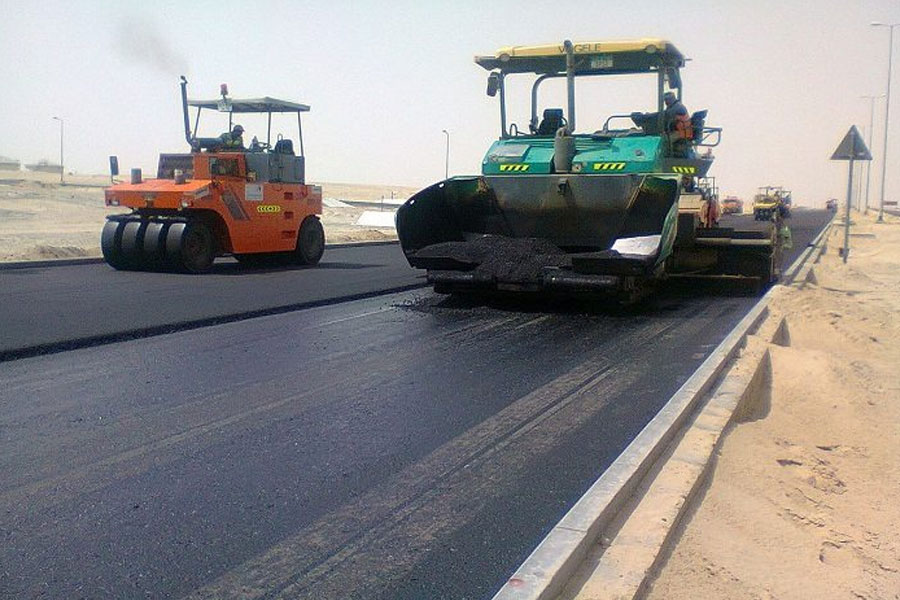
What Does Consistent Product Quality Mean for Large‑Scale Projects?
Every kilogram of bitumen must meet strict bitumen specifications Ivory Coast such as penetration, softening point, and viscosity. Variations can cause premature cracking, reduced load‑bearing capacity, and costly maintenance cycles. By sourcing from a supplier that adheres to ISO‑9001 standards and conducts batch‑by‑batch testing, contractors receive a uniform product that behaves predictably under the tropical climate of Abidjan and the inland regions.
How Critical Is Timely Delivery to Road Maintenance Ivory Coast?
Infrastructure timelines are often bound by government fiscal calendars. A delay of even a few weeks can cascade into missed deadlines, budget overruns, and public criticism. Reliable logistics—whether via maritime import or over‑land trucking—ensure that the required volume arrives exactly when the construction crew needs it. The chart below illustrates the impact of on‑time delivery versus typical delay scenarios on project completion rates.
Projects with on‑time bitumen deliveries achieve a higher completion percentage.
Why Does Technical Support Matter for Bitumen Côte d’Ivoire Applications?
Technical expertise goes beyond product sheets. It includes advice on optimal storage temperatures, admixture compatibility, and field‑adjusted gradation for specific climate zones. Gulf Petro Vision L.L.C. offers on‑site consultancy, helping engineers select the appropriate bitumen grades Ivory Coast 2026 for high‑traffic highways versus low‑volume rural roads, and recommending roofing bitumen blends that resist the coastal humidity of Grand‑Béréby.
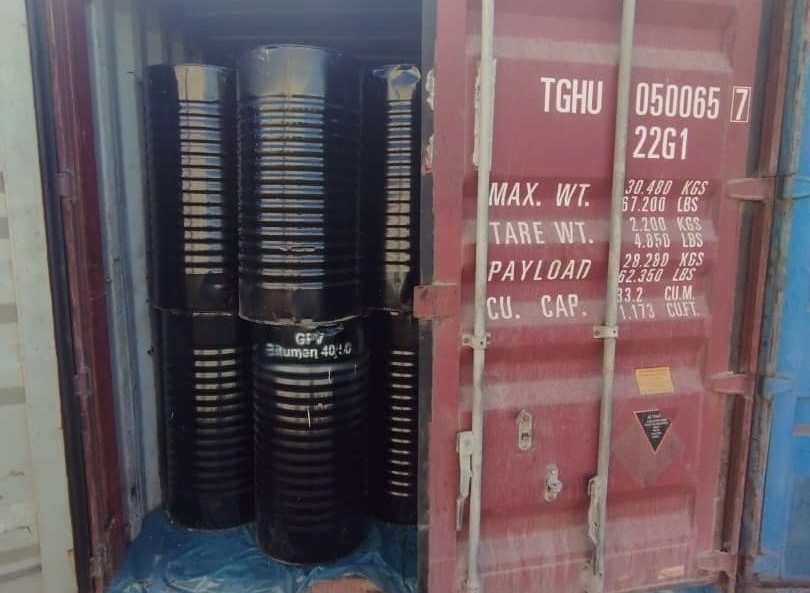
Can a Strong Supplier Relationship Influence the Success of Infrastructure Projects Ivory Coast Bitumen?
When a contractor and a supplier operate as partners rather than transactional entities, there is a continuous feedback loop. Data from completed sections feed into the supplier’s quality assurance system, prompting adjustments that pre‑empt future failures. This collaborative model reduces the need for extensive road repair Ivory Coast initiatives, allowing funds to be redirected toward new projects.
What Future Bitumen Technologies Could Transform Ivorian Infrastructure?
Emerging polymer‑modified binders, nano‑additives, and recycled‑asphalt blends promise higher elasticity, lower temperature susceptibility, and reduced carbon footprints. A forward‑looking supplier will provide trial batches, performance monitoring, and a roadmap for phased adoption, ensuring that Côte d’Ivoire’s roads stay on the cutting edge without disruptive overhauls.
How Do Sustainable Sourcing Practices Align with Environmental Responsibility?
Environmental stewardship starts at the quarry. Choosing suppliers that employ sustainable extraction methods, minimize flaring, and offset emissions aligns with national climate commitments. Moreover, integrating reclaimed asphalt pavement (RAP) reduces virgin material consumption, delivering both ecological and economic benefits.
In summary, a reliable Bitumen Supplier in Ivory Coast offers more than just a commodity. It delivers consistent quality, punctual logistics, expert technical guidance, and a vision for sustainable, future‑ready infrastructure—key pillars that underpin the long‑term success of the nation’s road construction, paving, and roofing endeavours.
Selecting the right Bitumen Supplier in Ivory Coast is paramount for durable and cost-effective infrastructure development. Gulf Petro Vision L.L.C provides reliable access to quality bitumen, competitive pricing, and expert support. Contact us today to discuss your project requirements and experience the Gulf Petro Vision difference – your trusted partner in Ivorian infrastructure.